
Sales Tax - November 2023 Ballot
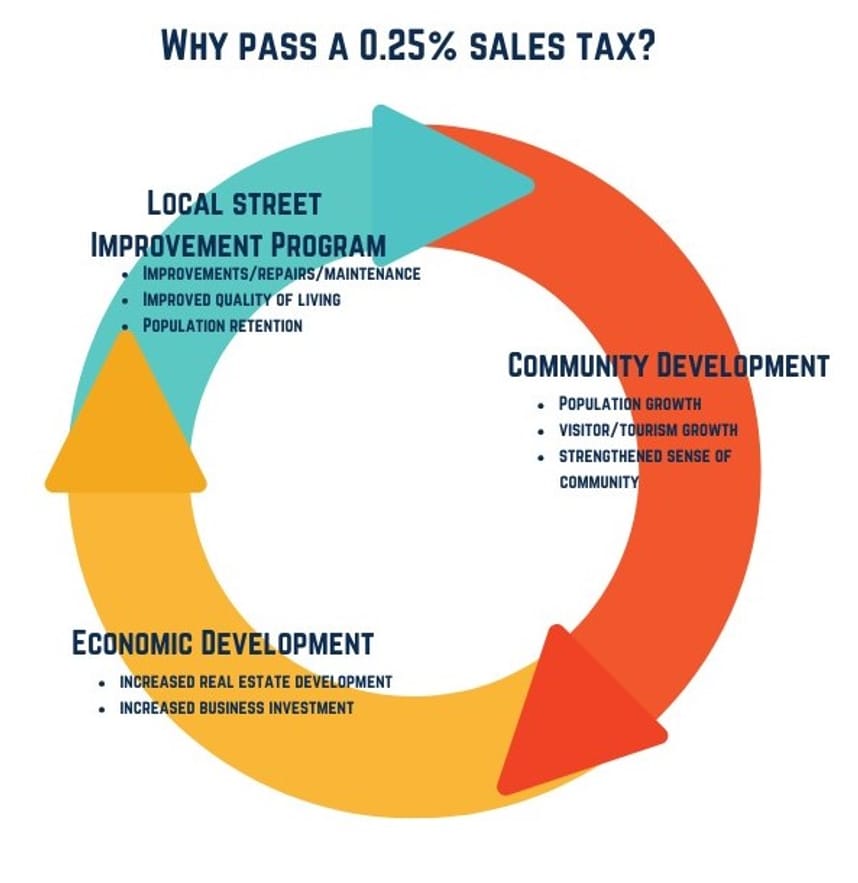
Residents of Abilene have the opportunity to support the reinstatement of a 0.25% sales tax levy for the Local Street Improvement Program. This tax played a crucial role in funding the improvement, repair, and maintenance of the city's streets, which is vital for the overall well-being and development of the community.
It's worth noting that taxes like these can have a direct impact on the quality of life in a city by ensuring that its infrastructure remains in good condition. The fact that this tax was previously approved by residents in 2012 and contributed around $300,000 per year to the program indicates that there is a history of community support for this initiative.
As residents of Abilene, it's essential to stay informed about this ballot opportunity and its potential impact on the city's infrastructure. This webpage will provide additional information about the details of the proposal and how it will benefit Abilene's streets and overall community development.

It's important to note that the choice between property taxes and sales taxes should be made carefully, considering the specific circumstances and needs of the community.
Both tax sources have their advantages and disadvantages, and the decision should align with the local government's goals, budgetary constraints, and the preferences of the community.

Supporting the Local Street Improvement Program with a special sales tax instead of property taxes can have several benefits:
Broad-Based Revenue Source: A special sales tax is not limited to property owners within the city limits. It generates revenue from a broader base, including residents, visitors, and tourists who shop or spend money in the city. This diversification of revenue sources reduces the burden on property owners and spreads the cost of infrastructure improvements more equitably.
Visitor Contribution: Sales taxes are particularly advantageous because they are paid not only by residents but also by visitors. This means that tourists who come to the city for various reasons, such as tourism, shopping, or dining, contribute to funding local street improvements. This can help alleviate the financial burden on residents and property owners while still addressing the city's infrastructure needs.
Economic Growth: A thriving local economy, supported by retail sales taxes, can contribute to economic growth and job creation. When people visit the city and spend money, it can stimulate local businesses, generate sales tax revenue, and potentially lead to additional investments and development in the community.
Voluntary Participation: Property taxes are obligatory for property owners within the city limits, while sales taxes are generally voluntary. Property owners have no choice but to pay property taxes, whereas individuals have some control over how much they contribute to sales tax revenue based on their spending habits. This voluntary aspect can be seen as fairer by some residents.
Revenue Stability: Sales tax revenue tends to be less volatile than property tax revenue because it is influenced by a broader range of economic activities. Property values can fluctuate significantly due to various factors, whereas sales tax revenue is influenced by both residents and non-residents and is less susceptible to sudden drops in property values.

Stay Informed
Get notified on upcoming engagements and the latest project related news.