
2025 Streets Millage Headlee Override Renewal
Investing in Brighton’s Streets and Sidewalks
Thanks to voters' approval of the 2.5-mill, 7-year Streets Millage in 2019, the City of Brighton has made significant progress in improving streets and sidewalks—enhancing safety, appearance, and overall quality of life throughout the community.
This November, voters will consider a renewal and restoration of that millage: a 10-year, 2.5-mill proposal that will enable the City to continue this critical work. Renewing this expiring funding will help maintain progress, prevent more costly future repairs, and ensure our infrastructure continues to meet the needs of residents and businesses alike.
This page provides key information and answers to frequently asked questions about this important millage proposal.
Calculate Your Cost
The cost of 2.5 mills depends on your property’s taxable value, as found on your latest tax bill. To calculate your cost, use the formula below, or click on the Millage Calculator in the Supporting Documents below the timeline on this page. Note, the millage calculator is an Excel file and may not work on mobile.

Example of paper tax bill - See red circle around taxable value

You can also find your 2025 taxable value online at the following link: https://bit.ly/3IU26AY. See example below.
Example of online serach result - See red circle around taxable value
Street Condition Evaluation Process
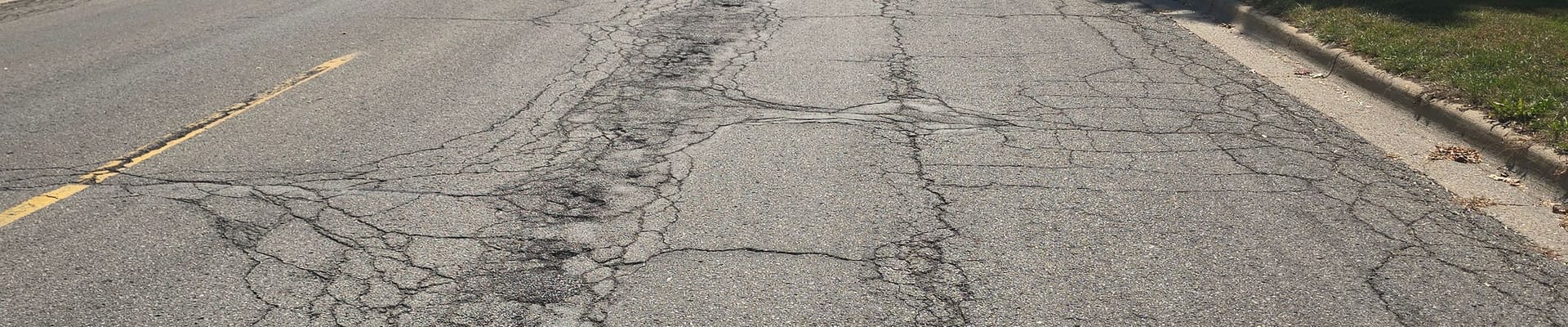
The Pavement Surface Evaluation and Rating (PASER) system rates street conditions on a 1–10 scale. The pie charts below compare city street ratings (in miles) both before and after improvements made with funding generated from the 2019 voter-approved streets millage. The map below shows the current PASER ratings of our individual streets.


How Street Maintenance and Repair Projects Are Selected
Street maintenance and repair decisions are carefully reviewed and discussed at City Council meetings to ensure that taxpayer dollars are used responsibly and effectively. Several key factors are considered in the selection process, including:
- Traffic Counts – Prioritizing streets with the highest usage to maximize impact for residents and businesses.
- Location – Ensuring projects are spread evenly throughout the City, with a focus on interior streets first to prevent heavy truck traffic from damaging newly completed streets.
- Complexity of Work – Coordinating improvements such as water and sewer lines, curbs and gutters, and storm drains so that streets are repaired efficiently and comprehensively.
This thoughtful approach ensures fairness, maximizes long-term value, and keeps our infrastructure strong for the entire community. With continued millage support, we can sustain this proven process and keep Brighton’s streets safe and reliable.
Projects Completed Under the 2019-2025 Voter-Approved Millage
Examples of before-and-after photos highlight the street projects completed with the 2019 voter-approved millage. Over its seven-year collection period, the millage generated approximately $10 million, which has now been fully utilized. The Northwest Neighborhood project—a comprehensive curb, gutter, roadway, and sidewalk reconstruction—accounted for nearly half of those funds and represented the last large-scale project needed within the city. Looking ahead, if the current millage proposal is approved, the city anticipates being able to complete a significantly greater number of projects.
Northwest Neighborhood
The Northwest Neighborhood project was completed at a total cost of $5,152,000. Work consisted of full reconstruction, including curb, gutter, streets, and sidewalks. Streets included in the scope were Center Street, Chestnut Street, North First Street, North Third Street, Walnut Street, North Fourth Street, North Fifth Street, North Sixth Street, North Seventh Street, and State Street.

East Streets
The East Streets project was completed at a total cost of $1,432,000. The work included reconstruction, mill and fill, sidewalk, and curb improvements. Streets included in the project were Flint Street (Grand River to East Street), Beaver Street (Grand River to East Street), and Liberty Street (Grand River to East Street).

Alpine, Third and Fairway Trails
The Alpine, Third and Fairway Trails project was completed at a total cost of $1,138,000. The work involved mill and fill improvements across several neighborhood streets. Streets included in the project were Alpine Court, Alpine Drive, Third Street (from Brighton Lake Road to Fairway Trails), Fairway Trails Court, and Fairway Trails Drive.

Drummers Lane
The Drummers Lane project was completed at a total cost of $82,000. The work consisted of mill and fill improvements along the roadway.

Current Fall 2025 Projects
The 2025 fall projects are budgeted at a total of $1,707,000. Planned work will include roadway improvements on Robertson, Sisu Knoll, Oakridge Drive (from Devonshire west to the cul-de-sac), Glenwyth (from Devonshire to the end of asphalt east of Robertson), and Rita Ann (Lillian).

Types of Street Replacement
Asphalt Mill and Fill
Removes 4–6 inches of old asphalt and replaces it with new layers. May include spot repairs to curbs, sidewalks, and drainage structures.
Full Reconstruction
Rebuilds the entire road base, asphalt, and curbs. Often includes upgrades to underground utilities like water, sewer, and storm systems.
Curb and Gutter
Installs or repairs concrete curbs and gutters that guide stormwater into drains, keeping roads safe and dry.
Types of Street Maintenance (paid from operations and not street millage)
Reclamite
An oil-based treatment that protects asphalt from drying, cracking, and early wear—helping roads last longer.
Spray Patch
Repairs large cracks and potholes using a mix of emulsion and stone. Creates a strong, waterproof, and longer-lasting fix compared to traditional patches.
Crack Seal
Fills pavement cracks with hot rubberized sealant to block water and debris, preventing potholes and extending the life of the street.
Chip & Fog Seal
Liquid asphalt and stone chips are applied and rolled into the pavement, then sealed with a light asphalt spray for added protection and durability.
City Streets at a Glance
30.7 miles – Total streets under city maintenance
$50 million – Estimated value of city streets
75,000–100,000 vehicles – Daily traffic on city streets
Estimated Replacement Costs Per Mile
Asphalt Mill & Fill: $200,000–$400,000
Asphalt Reconstruction: $1.3 million per lane
Concrete Replacement: $5.2–$7 million
Other Funding Sources
If the millage is not renewed, the City’s ability to maintain and improve streets will significantly constrained, relying on only a few limited funding sources:
- Fuel taxes - Approximately $1 million annually
- Grants - Highly competitive, not guaranteed, and typically require matching funds from the city
- General Fund surplus - Limited and not a consistent funding source
While we will continue to actively pursue grant opportunities, these sources alone are not sufficient to meet the long-term infrastructure needs of our community. Without the dedicated millage, the level of investment and progress we've made in recent years will not be sustainable.
Below is a table highlighting street and sidewalk grants the City has secured over the past seven years. Notably, three of these projects are scheduled for completion within the next three years. Most grants will only fund larger major streets, such as in the table below, therefore the millage dollars are directed towards local streets.

FAQs
To view a list of frequently asked questions and answers, click on the FAQ link in the Supporting Documents below the timeline on this page.
Stay Informed
Get notified on upcoming engagements and the latest project related news.