
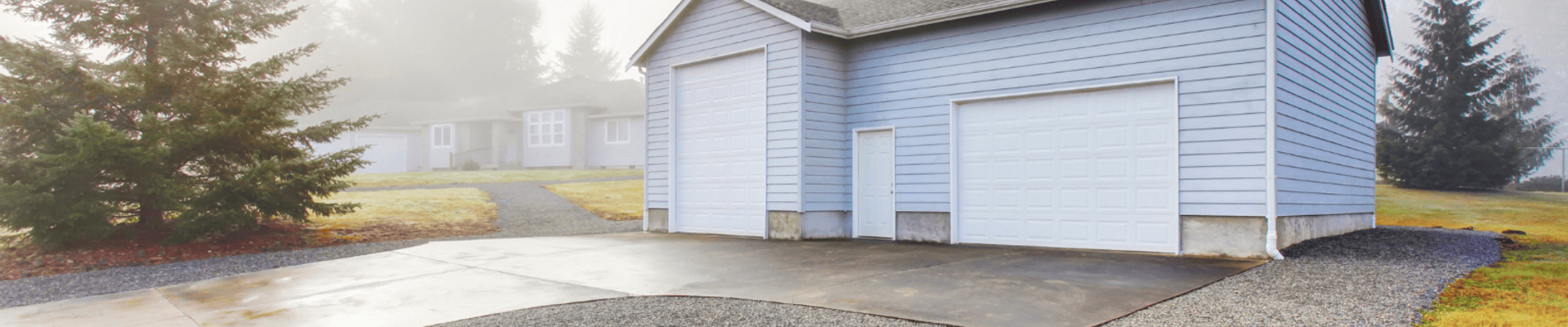
Increasing Accessory Building Size - Proposed Zoning Amendments
This project is being proposed to amend zoning and land use bylaws to provide more options for rural and residential property owners when constructing an accessory building and to provide consistency for these types of buildings in all areas of the CSRD where these regulations apply.
This proposal also works hand-in-hand with the proposed Zoning Amendments to Permit Secondary Dwelling Units, as increasing accessory building size will provide more options for including residential dwelling components into accessory buildings. More information about the Proposed Zoning Amendments to Permit Secondary Dwelling Units is available on this project page.
The CSRD conducted a survey to provide the CSRD with thoughts and opinions on the proposed changes. This information will be provided to staff and the CSRD Board of Directors to assist in making informed decisions that reflect community needs and desires.
What are Accessory Buildings?
Accessory Buildings are structures that support a principal use on a property (i.e. single detached dwelling). These can include garages, sheds, or workshops. Accessory buildings could include a secondary dwelling that provide an additional housing option for family, friends, caregivers or a tenant while still affording privacy and independence to the principal use (single detached dwelling).
Why are the changes being proposed?
Currently the rules for accessory buildings vary depending on which area you live. The proposed bylaw hopes to create consistency across these areas, so the same rules apply for property owners in all areas with zoning bylaws.
These changes will make the process more efficent and also help reduce the number of development variance applications.
The CSRD's proposed approach to increasing accessory building size
This will include changes to:
- Definititions in the bylaw as they relate to accessory use/ accessory building, gross floor area and net floor area
- Building with a secondary dwelling unit
- Increase the maximum building height regulations
- Increase the maximum floor area for accessory buildings.
This diagram illustrates how gross floor area is calculated:
.jpg)
This diagram shows how building height is calculated:
.jpg)
Proposed revisions to bylaws
These changes would be applied equally in all areas with zoning bylaws to ensure consistency between rural and residential properties with similar parcel size.
.png)
.png)
How will this project proceed?
As there are multiple zoning bylaws that would need amending, the plan is to implement the project in three phases:
- Electoral Area F Zoning Bylaws including the Anglemont Zoning Bylaw, Magna Bay Zoning Bylaw, Scotch Creek/Lee Creek Zoning Bylaw.
- Electoral Area B Zoning Bylaw; Ranchero-Deep Creek area in Electoral Area D; and Electoral Area E Zoning Bylaw.
- Electoral Area C Bylaws including the South Shuswap Zoning Bylaw (from Eagle Bay to Wild Rose Bay) and Kault Hill Land Use Bylaw; the Salmon Valley Land Use Bylaw in Electoral Area D; and the South Shuswap Zoning Bylaw in Electoral Area G.
What's next?
This project experienced delays while Planning Services staff were busy working on issues related to the Bush Creek East Wildfire in the summer and fall of 2023. The CSRD has also been waiting for the new Provincial housing regulations to be released so we can ensure that these bylaw amendments are consistent with the Province’s direction. We have updated our project timeline to reflect those changes.
If you want to receive notifications about updates to the project, be sure to sign up at the tab at the bottom of the page.
For more information, contact:
Ken Gobeil
Senior Planner
250-833-5915
kgobeil@csrd.bc.ca
Stay Informed
Get notified on upcoming engagements and the latest project related news.
