
Via for Mobile: Transportation Improvement Plan
Building a Safer, Stronger, More Connected Mobile
How the Transportation Capital Improvement Plan (CIP) Is Shaping the Future of Our City
Every day, thousands of Mobile residents travel our streets—heading to work, school, parks, churches, hospitals, and the places where life happens. But for many years, our transportation system struggled to keep up with the city we’re becoming. Aging roads, missing sidewalks, worn-out signals, limited transit options, and drainage issues made it harder—and sometimes unsafe—to get around.
At the same time, the way people move around the city is changing. Mobile’s partnership with VIA has opened the door to a more flexible, modern approach to public transit, and as the City prepares for a wider transit network redesign, VIA is stepping into a central role: listening directly to riders and ensuring the new system reflects the real needs of Mobile’s communities.
Residents have long expressed frustration with limited routes, long wait times, gaps in service hours, and the challenge of reaching essential destinations without a car. These concerns often come from the people who rely most heavily on transit—shift workers who start before sunrise, seniors who depend on reliable travel for daily errands, students crossing the city for school, and families navigating neighborhoods without accessible bus stops. Too often, these voices are missing from traditional public meetings.
VIA’s goal is to change that narrative. Their team is meeting riders where they are—at busy intersections, community centers, neighborhood events, and even inside VIA vehicles and buses—gathering real stories about what it means to get around Mobile. This hands-on, person-to-person engagement is capturing the lived experience of residents who depend on transit the most, including groups that are historically hardest to reach. And all of this feedback will directly shape decisions about future routes, operating hours, stop locations, and connections between neighborhoods.
Just as importantly, VIA wants to take meaningful engagement back to the City—with strong response rates and input from across the community—to demonstrate that residents were not only heard, but became true partners in shaping the future of mobility. Their work builds trust, transparency, and a stronger foundation for the changes ahead.
This is where the Transportation Capital Improvement Plan (CIP) and VIA’s engagement work come together.
The CIP is our shared roadmap for transforming Mobile’s streets, infrastructure, and mobility. VIA’s outreach ensures the people who move through that system every day help guide what comes next.
It’s more than a list of construction projects—it’s a commitment to investing in the neighborhoods where people live, strengthening our resilience, and creating a transportation network that supports the way Mobilians move today and tomorrow.
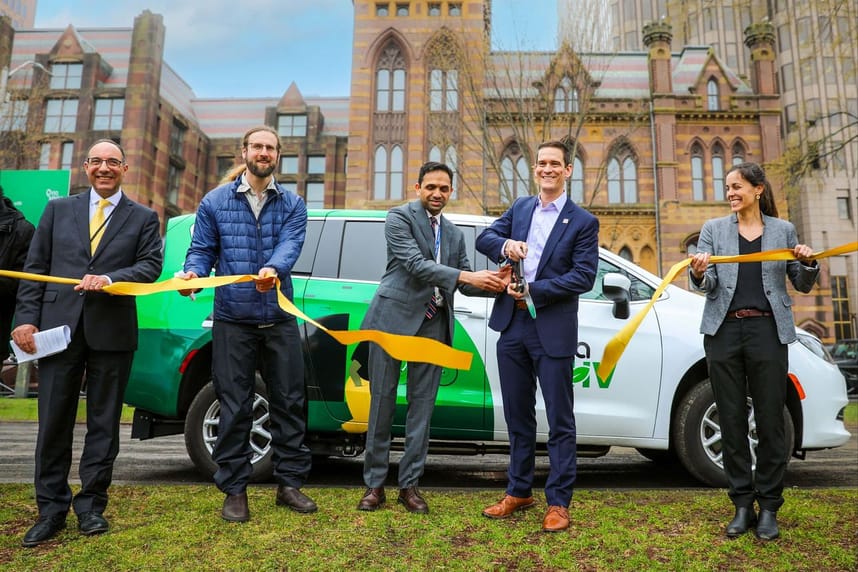
Opportunities to Engage

Shape the Future of Mobile’s Transit System
Your input is vital to improving transportation in Mobile. Share your thoughts on how our buses and transit services can better serve your needs.
Question & Answer Board
Curious about how the Via for Mobile: Transportation Improvement Plan will improve your daily commute and enhance mobility in our community? Explore the Q&A section to find answers to your neighbors' questions and ask your own—your input helps shape the future of our city!
Stay Informed
Get notified on upcoming engagements and the latest project related news.