
Place making and Health & Well-being Supporting Paper
This is a HTML friendly version of the place making and health & well-being supporting paper.
Leeds Local Plan
Place making and Health & Well-being Supporting Paper
LEEDS LOCAL PLAN (2024 to 2042)
Place making and Health & Well-being Supporting Paper
Regulation 18 Consultation
June 2025
Placemaking – Design
The vision for Leeds is to have a strong policy framework that ensures planning policy and decisions achieve healthy, inclusive, safe, resilient and adaptable places (spaces and buildings); that Leeds is designed to achieve a better and more sustainable future for all, reflecting the 17 interlinked Sustainable Development Goals (SDGs).
The evidence needed on a policy for high quality and sustainable places is qualitative however the many reports on climate mitigation and adaption return to quality of place being central to achieving well designed places that respond to the impacts of climate change through mitigation (reducing greenhouse gas emissions and minimising embodied energy) and adaptation (such as rising temperatures and increased risk of flooding).
The Ministry for Housing, Communities and Local Government (MHCLG) published the National Design Guide – Planning practice guidance for beautiful, enduring and successful places in October 2019. This makes clear that creating high quality buildings and places is fundamental to what the planning and development process should achieve. The guide illustrates how well-designed places that are beautiful, enduring and successful can be achieved in practice.
In August 2020 the Government published a White Paper Consultation on Planning Reform which introduces discussions on a radical transformation of the planning system including recognition that “there is not enough focus on design, and little incentive for high quality new homes and places: There is insufficient incentive within the process to bring forward proposals that are beautiful and which will enhance the environment, health, and character of local areas”. It further identifies that the planning system needs a new focus on design and sustainability, with a greater focus on ‘place making’ and ‘creation of beautiful places’.
The MHCLG have followed this with publishing (29th January 2021) their consultation on changes to the National Planning Policy Framework (NPPF). The text has been revised to implement policy changes in response to the Building Better, Building Beautiful Commission “Living with Beauty” report[1]. The consultation is also seeking views on the draft National Model Design Code, which provides detailed guidance on the production of design codes, guides and policies to promote successful design. The government believes “that design codes are important because they provide a framework for creating healthy, environmentally responsive, sustainable and distinctive places, with a consistent and high-quality standard of design. This can provide greater certainty for communities about the design of development and bring conversations about design to the start of the planning process, rather than the end”.
There is also much research on the relationship between planning and good design and health benefits (Healthy by Design, NHS England, 2018) that share the benefits of addressing climate change (mitigation and adaption) through improvements to the layout and form of buildings and spaces and better use of resources that has clear physiological and psychological health benefits. This is reflected locally in the Leeds 2014 Director of Public Health Report “Planning a Healthy City: housing growth in Leeds” which considered the detailed ways that Leeds could plan a healthy city around housing growth reflecting on the need to connect the public health benefits of good urban design and planning to people, place and the planning process.
Following the 2014 Planning a Healthy City report, an internal officer group of cross departmental interests have established a Planning and Design for Health and Wellbeing and Climate Change group looking at influencing the built environment and has drawn together the key principles diagram above. These three principles promote:
- Active neighbourhoods – promoting cycling and walking, reducing car usage and improving children’s opportunities for independent mobility.
- Better air quality and green space – using green and blue infrastructure to provide opportunities for outdoor recreation and promote mental wellbeing.
- Cohesive communities – encouraging co-located services and high quality neighbourhood spaces to encourage social interaction and combat isolation.
With regard to the Council’s Children’s and Young People’s Plan (2018-2023) and the vision for Leeds to be the best city in the UK and the best city for children and young people to grow up in (Leeds to be a child friendly city), there is much urban design and health research[2] that recognises the relationship and influences between urban design and quality of spaces and streets on the physical, social and cognitive development of children. It is important to consider the design of places and spaces (such as greening streets, creating natural play areas, providing flexible spaces and safe routes) with a focused need to provide for family and children. Designing successful places and spaces for children means creating spaces and places that are liveable and inclusive and fully benefit all ages and abilities.
Leeds Local Plan has sought to provide a framework for sustainable and healthy communities, having regard to quality of life and to protect and enhance the environment. As covered in the first part of this paper, this is achieved through a strategic and spatial approach and policies relating to the overall scale, distribution and location of development. Further, as will be covered in this second part of the paper, all development proposals are subject to a suite of specific and more detailed place making policies on the layout and fabric of places (covering design, housing, employment, natural environment, green space/public open spaces, transport) to achieve a layout, design and fabric efficiency which both mitigates climate change and addresses impacts, such as flooding but also has clear physiological and psychological benefits on health and well-being.
To that end, planning for sustainable place making is embedded within Leeds Local Plan as part of an integrated approach. The detailed design principles of place making reflects the origins between health and planning in the ‘Housing and Town Planning Act of 1909’ (and subsequent re-writes) when urban planning was being advanced to mitigate the consequences of the industrial age to provide healthy living spaces and environments. In this context, well designed places have layouts, forms and mix of uses that:
- reduce the requirements on resources (land, energy and water) - assisting in increasing the ability for Co2 absorption, sustaining natural ecosystems and minimising flood risk and potential for flooding and reducing overheating and pollution;
- take advantage of typography and layout - achieving passive solar gain, retaining and planting new trees for shade and urban heating and carbon capture and other biodiversity opportunities such as hedgerows, green walls/roofs and ponds and access to healthy food/food sustainability.
- are fit for purpose and are adaptable - providing and linking to sustainable transport, walking and cycling and promotion of safe walkable and accessible for all developments and c omplete. Compact and Connected neighbourhoods where daily needs are met locally – critical not only for a low carbon and healthy future but also for resilient places in light of the pandemic.
- Design out crime (open, well lit, observable places) as this has a positive impact on mental health and wellbeing.
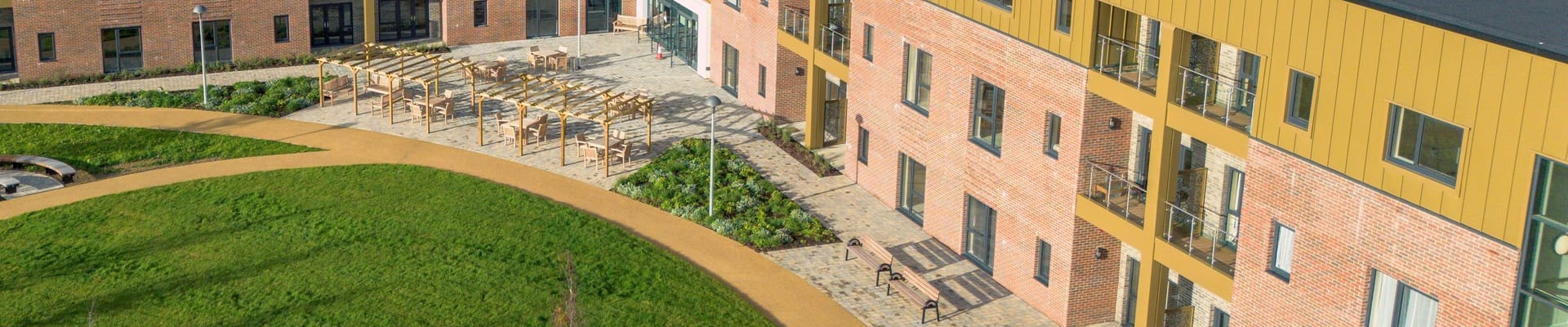
Case study: Climate Innovation District - Designed by CITU Design, a sustainable property developer committed to tackling climate change by creating better places to live, work and play. Homes are timber framed, manufactured on site, and zero carbon. The location in a riverside setting enables a focus on biodiversity and green sustainable travel.
Place making integrates all of these policy strands but this paper focuses only on design and quality. For more detail on the other topics of this Local Plan Update please refer to the other supporting documents on Net zero and climate change, Flood Risk Green & Blue Infrastructure, Housing, Connectivity and Transport and Sustainable Infrastructure.
Current Policy
Leeds’ current Core Strategy Policy P10 and Saved UDP policy GP5 set out the requirements of all development to consider normal development management considerations and design principles. These are well established and well used policies and are supplemented by detailed design guidance in the Neighbourhoods for Living and Building for Today Tomorrow Sustainable Construction Supplementary Planning guides.
The reasoning for Policy P10 is set out in the supporting text of the Core Strategy at paragraph 5.3.41 and is worth repeating here:
“Good design is a key aspect of sustainable development and essential in creating places in which current and future generations can enjoy a high quality of life which is fulfilling and healthy. Good design goes beyond aesthetic considerations and should address the connections between people and places and the integration of new development into the built environment. Design can also assist in tackling the most cross cutting issues of sustainable development such as climate change, car dependence, community cohesion and health and wellbeing. The vast majority of people who live and work in the Leeds City Region do so in an urban environment. Their quality of life depends heavily upon the quality of their environment. In order to continue its economic success in a sustainable manner, and in order to achieve its aim of being the Best City in the UK by 2030, Leeds must build upon and retain the high quality of its built, historic and natural environment”.
In line with the NPPF the determination of planning applications needs to be considered against the Development Plan and all development control considerations. As such Saved Policy GP5 (UDP, 2006) sets out a high level and general policy against which all development is to be assessed. This provides the relevant policy hooks to other parts of the Local plan on matters such as acceptable provision of vehicular access, surface and foul water sewer disposal, car parking, greenspace, landscape and detailed design considerations.
The Core Strategy further sets out detailed policies as to the mix, type (older peoples accommodation; Gypsy and Traveller accommodation) density, affordability and space standards of new homes, alongside greenspace and green and blue infrastructure, connectivity and accessibility which when read together help to inform and shape ‘place making’.
Rational for an enhanced Policy Framework
Policy P10 whilst embedding strong place making principles lacks strategic weight and there are clear opportunities to strengthen and heighten the signposting to other technical implementation policies that have a clear cross-over (i.e. green space; green infrastructure (green and blue); accessibility; space standards, energy and resources). Current policy also lacks explicit referencing to health and well-being and climate emergency.
It is not proposed that this Local Plan Update considers the current Core Strategy Policies on mix, type (older people’s accommodation; Gypsy and Traveller accommodation) density, affordability and space standards of new homes. However please refer to the separate topic papers on Carbon Reduction, Flood Risk, Green Infrastructure and Sustainable Infrastructure which all integrate into good ‘place making’.
Future Policy Options
Local Plan Update options include rewriting policy P10 to provide the relevant signposting to other (existing and proposed) Leeds Local Plan technical implementation policies and provide heighted references to “health and well-being”, “climate change”, “high quality place making” and “sustainable active travel”. The alternative is the introduction of a new strategic policy to provide a stronger hook for design and place making upfront in the Local Plan, whilst also championing the importance of Complete, Compact and Connected neighbourhoods, linked with the opportunity to relook at Policy SP1 and H2 and T2 under Strategic Place-making. There is also the opportunity to integrate Saved Policy GP5, thus helping to simplify the Local Plan and the number of policies.
The Local Plan Update provides the opportunity to ensure that the principles of place making are front and centre in the Local Plan and underpin all the thematic/technical policies.
Reflecting changes to national guidance, the LocaL Plan will also incorporate a statutory Design Code which will complement any new policy on Design. This will provide clarity to plan users on the design, layout and townscape of neighbourhoods and communities across the District, ensuring new buildings complement the existing identity and character of places and set guidance and rules for how development should function and be formed to best address the needs of its communities, its residents, the environment and the climate emergency.
It is envisaged that the Leeds Design Code will be a multi-part document, consisting of up to three parts. Briefly:
- Part A: District;
- Part B: City Centre;
- Part C: Strategic Sites.
A multi-part approach is proposed as it:
- Recognises the variety and complexity of a large and richly diverse city like Leeds;
- Will be easier to use – making the process more efficient and effective;
- Prioritises resources to tackle the topics/issues of greatest change/impact;
- Allows a ‘nesting’ of Codes. High level principles appropriate at district level are established in Part A, and more detailed matters to be dealt with at neighbourhood or site level to be contained in Parts B and/or C;
- Is not possible to create a Design Code at district level which adequately covers all the challenges of different localities and neighbourhoods found within the Leeds boundary;
- Addresses the unique challenges and required design solutions which are bespoke to the city centre. This will make the document easier to use.
Please refer to the separate Supporting Paper on the Design Code.
Why do we need policy on Design?
In August 2020 the Government published a White Paper Consultation on Planning Reform which introduced discussions on a radical transformation of the planning system including recognition that “there is not enough focus on design, and little incentive for high quality new homes and places: There is insufficient incentive within the process to bring forward proposals that are beautiful and which will enhance the environment, health, and character of local areas”. It further identifies that the planning system needs a new focus on design and sustainability, with a greater focus on ‘place making’ and ‘creation of beautiful places’.
The Ministry for Housing, Communities and Local Government (MHCLG) have followed this with amendments to the National Planning Policy Framework (NPPF) in 2021. The text has been revised to implement policy changes in response to the Building Better, Building Beautiful Commission “Living with Beauty” report1.) MHCLG has also published the National Design Guide – Planning practice guidance for beautiful, enduring and successful places in October 2019. This makes clear that creating high quality buildings and places is fundamental to what the planning and development process should achieve. The guide illustrates how well-designed places that are beautiful, enduring, and successful can be achieved in practice.
In considering minimising carbon emissions from new development in Leeds, this paper explains the policies that guide sustainable development in Leeds by engaging with why achieving good design of buildings and spaces helps to promote people’s health, happiness and well-being by living in high quality, safe, resilient and climate adaptable places.
The current adopted Policy P10 is supported by text at paragraph 5.3.41 which is worth repeating here:
“Good design is a key aspect of sustainable development and essential in creating places in which current and future generations can enjoy a high quality of life which is fulfilling and healthy. Good design goes beyond aesthetic considerations and should address the connections between people and places and the integration of new development into the built environment. Design can also assist in tackling the most cross cutting issues of sustainable development such as climate change, car dependence, community cohesion and health and wellbeing. The vast majority of people who live and work in the Leeds City Region do so in an urban environment. Their quality of life depends heavily upon the quality of their environment. In order to continue its economic success in a sustainable manner, and in order to achieve its aim of being the Best City in the UK by 2030, Leeds must build upon and retain the high quality of its built, historic and natural environment”.
In line with the NPPF the determination of planning applications needs to be considered against the Development Plan and all development control considerations. As such Saved Policy GP5 (UDP, 2006) sets out a high level and general policy against which all development is to be assessed. This provides the relevant policy hooks to other parts of the Local plan on matters such as acceptable provision of vehicular access, surface and foul water sewer disposal, car parking, greenspace, landscape and detailed design considerations.
Leeds’ current Core Strategy Policy P10 and Saved UDP policy GP5 set out the requirements of all development to consider development management considerations and design principles. These are well established and well used policies and are supplemented by detailed design guidance including Neighbourhoods for Living, Building for Today Tomorrow Sustainable Construction Supplementary Planning guides and the Householder Design Guide.
The current Policy P10 whilst embedding strong place making principles presents opportunities to strengthen and heighten the signposting to climate emergency and health and well-being and to other technical implementation policies that have a clear cross-over (i.e. green space; green infrastructure (green and blue); accessibility; space standards, energy and resources). As a result, now is the time, through the Local Plan Update, to revise Policy P10 by addressing these matters comprehensively, whilst incorporating the key elements of GP5.
Leeds Local Plan has sought to provide a framework for sustainable and healthy communities, having regard to quality of life and to protect and enhance the environment. All development proposals are subject to a suite of specific and detailed place making policies on the layout and fabric of places (covering design, housing, employment, natural environment, green space/public open spaces, transport) to achieve a layout, design and fabric efficiency which both mitigates climate change and addresses impacts, such as flooding but also has clear physiological and psychological benefits on health and well-being.
To that end, planning for sustainable place making is embedded within Leeds Local Plan as part of an integrated approach. The detailed design principles of place making reflects the origins between health and planning in the ‘Housing and Town Planning Act of 1909’ (and subsequent re-writes) when urban planning was being advanced to mitigate the consequences of the industrial age to provide healthy living spaces and environments. In this context, well designed places have layouts, forms and mix of uses that:
- reduce the requirements on resources (land, energy and water) - assisting in increasing the ability for Co2 absorption, sustaining natural ecosystems and minimising flood risk and potential for flooding and reducing overheating and pollution;
- take advantage of typography and layout - achieving passive solar gain, retaining and planting new trees for shade and urban heating and carbon capture and other biodiversity opportunities such as hedgerows, green walls/roofs and ponds and access to healthy food/food sustainability.
- are fit for purpose and are adaptable - providing and linking to sustainable transport, walking and cycling and promotion of safe walkable and accessible for all developments and 20-minute neighbourhoods where daily needs are met locally – critical not only for a low carbon and healthy future but also for resilient places in light of the covid 19 pandemic.
- Design out crime (open, well lit, observable places) as this has a positive impact on mental health and wellbeing.
Equality, diversity, cohesion and integration
Providing stronger emphasis on good quality design and placemaking that has buildings and public realm and the people that use them as a shared value is predicted to have a positive overall effect on the protected characteristics (age, disability, gender reassignment, marriage and civil partnership, pregnancy and maternity, race, religion or belief, sex, and sexual orientation). Good design and high-quality place making promotes creative patterns of use, paying particular attention to the physical, cultural, and social identities that define a place and support its ongoing evolution. Effective assessment of local character of place and space helps capitalise on a local community's assets, inspiration, and potential, and it results in the creation of quality buildings and public spaces that helps contribute to everyone’s health, happiness and well-being.
Placemaking – The Health Impacts of Development Background Paper
Why is the policy needed?
The theme of health cuts across multiple existing planning policies including housing, employment, green space, transport, social and community facilities, pollution control and climate change mitigation, however there is no overarching or umbrella policy linking health outcomes or determinants to planning.
The inclusion of planning policy requiring applications for new development to consider the impact on health has been well established in local plans for some time and there are many examples from different local authorities. In Leeds, the process of the Local Plan Update (LPU) provides the opportunity to introduce the health theme as part of the design and climate change objectives.
National policy and strategies for planning and public health recognise the role of spatial planning in supporting positive health outcomes through interventions in the built and natural environment.
The new policy P10A will help to ensure that health and wellbeing including health inequalities is considered in the preparation and determination of planning applications and supports the consultation of public health and health partners to engage with and influence the planning process.
What is the policy seeking to achieve?
Providing a new policy explicitly covering the health impacts of development ensures that applications have to demonstrate that they contribute to reducing the causes of ill health, improving health and reducing health inequalities in Leeds. It will also support the provision of health infrastructure to support new development.
For larger developments (i.e. residential developments of 100 or more units and non-residential developments of 10,000 sqm or more) or other developments where the proposal is likely to have a significant adverse impact on health and wellbeing, Policy P10A requires the submission of a health impact assessment (HIA). A HIA is an objective and systematic tool for assessing the impact of development on health outcomes. Through a process of screening, scoping, data analysis and reporting, the HIA provides a set of evidence based recommendations that helps to inform decision makers on how a development may affect health and wellbeing in the community and thereby assist the determination of whether a proposal is acceptable or not. Applications are assessed against a range of wider determinants of health which planning can influence for example:
- Access to public services and infrastructure; affordable housing; the natural environment; greenspace and public realm; and leisure and sports provision.
- Transport and connectivity to public transport and active travel; links between communities; access to employment and local services.
- Socio-economic considerations including employment and skills; local businesses; regeneration, tourism; and community cohesion and engagement.
- Land use including sustainable and efficient land use; quality of urban and natural environments; and climate change impacts.
Through the process, mitigation measures can be identified to address potential impacts together with indicators for future monitoring of the impact. The threshold for requiring HIA has been identified reflecting the anticipated scale of impact of the largest development, however other types or locations of development may also trigger the requirement for HIA where it is considered that there could be a significant adverse impact on health and wellbeing.
The policy provides a mechanism by which applications which do not adhere to the policy could be refused unless mitigation measures are secured through the planning process.
Is the policy justified by the evidence?
There is an extensive amount of evidence linking the built and natural environment to health outcomes. To demonstrate the interrelationship between health and the environment, Barton and Grant (2006), devised the Health Map. The map is focused on the role of the neighbourhood and planning and emphasises the importance of the built and natural environment’s contribution to health and wellbeing outcomes, in line with the socio-ecological approach to health (Orme et al., 2010).
There are many sources of evidence illustrating the interventions in the built and natural environment which can lead to positive health outcomes. Planning is one of the interventions which can influence these health outcomes.
‘Health Equity in England: The Marmot Review 10 Years On’ (2020)[3] (Institute of Health Equity) commissioned by the Health Foundation provided an analysis of health inequalities in England and assessed key social determinants of health over a 10 year period from the original Report by Michael Marmot. It found that:
“The built and natural environment is a key determinant of inequalities in health and wellbeing and the environment in which we live is inextricably linked to our health across the life course. The 2010 Marmot Review recommended integrating health with planning, transport, environment and housing departments at the local level in order to address the social determinants of health. Since 2010 evidence of the relationships between health and built and natural environments has grown and the role the environment plays in influencing health is now better understood. Research shows that the unequal distribution of poor-quality built environments contributes to health inequalities in England. Neighbourhoods and the built environment affect how individuals and communities interact with each other: they influence physical access to family and friends, health services, community centres, shops and the places and spaces that enable individuals to build and maintain their social relationships, facilitate social contacts and strengthen social ties.”
‘Spatial Planning for Health, An Evidence Resource for Planning and Designing Healthier Places’ (2017) (Public Health England)[4] illustrates the linkages and strength of evidence between spatial planning and health. It was based on a project commissioned by Public Health England to address the need for a UK-centric evidence review that analysed and the demonstrated the links between health and the built and natural environment, which could be used by public health professionals and planners to help development and implement interventions.
The evidence is presented as a series of diagrams illustrating the linkages between planning policies, impact and positive health related outcomes. The planning interventions are structured as five themes:
- Neighbourhood Design,
- Housing,
- Food Environment,
- Natural and Sustainable Environments,
- Transport
Case studies are included for each theme setting out the planning principles, interventions used, population characteristics, the main outputs and outcomes of the project, how successful the project was and whether any barriers were identified in the implementation process.
‘Getting research into practice, A resource for local authorities on planning healthier places’ (2021) (UWE Bristol and TCPA)[5] was commissioned by Public Health England and provides a resource for planners, public health, local health and wellbeing boards, transport planners, communities and local Councillors based on workshops with local authority representatives from Hull, North Yorkshire, York, East Riding of Yorkshire, Worcestershire and Gloucestershire.
The report recognises the findings of the Marmot Review report that:
“Many causes of illnesses and poor health affecting people, and unequally in certain population groups, are influenced by the environment in which they live, work and play…These environmental factors that influence health are sometimes referred to as the wider determinants of health. These include economic, social and environmental factors, which impact on physical activity levels, social isolation and diet, and can contribute to many of the most common health problems, including type-2 diabetes, depression, and obesity. Many of these factors are significantly influenced by the kind of places achieved through spatial planning. (See Table 1). Spatial planning can help improve environments, creating places in which it is easier for people to be physically active in their daily routines throughout their lifetimes, to meet neighbours and to have local green spaces to visit – all of which support physical and mental wellbeing.”
The Public Health England Strategy 2020-25[6] sets out the direction and roles for PHE over the 5 year period to protect and improve the public’s health. This includes the identification of ten priorities, four of which are relevant to planning interventions:
- Healthier diets, healthier weight
- Cleaner air
- Better mental health
- Best start in life
- A number of societal challenges are identified which planning can help to address:
What makes us healthy – personal circumstances and the environment in which people live has a major effect on physical and mental health and can create or close off opportunities to make healthy choices. A joined up approach to create inclusive growth and healthier and more productive communities can be achieved through a healthy life with good education and jobs, a decent place to live with friends and family cared for.
Reversing trends in life expectancy and poor health – there has been a slowdown in improvements to infant mortality and life expectancy. For many people, a longer life means more time spent in poor health with an estimated 4.6 million people with both a mental health problem and a long term physical condition.
Addressing unhealthy behaviours – supporting people to adopt healthy behaviours remains one of the top challenges for public health. Every year obesity, poor diets, high blood pressure, high cholesterol, and physical inactivity costs people hundreds of thousands of life years.
Persistent and growing inequalities – the gap of social disadvantage between the most and least deprived has not improved and in some cases is widening. Inequalities are common between the poorer and more affluent areas in the levels of infant mortality, low birthweight, childhood obesity, tooth decay and adverse childhood experiences. People living in deprived areas are more likely to smoke, have a poor diet, be physically inactive and die early from cancer or heart disease.
Planning interventions support many of the priorities identified in the PHE Strategy:
Healthier diets, healthier weight – help make the healthy choice the easy choice to improve diets and reduce rates of childhood obesity through working with local government and other partners, to support the implementation of a ‘whole systems’ approach that considers how all elements of local places, communities and services can help to address obesity and the variation in obesity between the most and least deprived areas; Support local authorities to create vibrant, health-promoting environments, including healthier high streets, which facilitate healthier food options and physical activity
Creating cleaner air – develop and share advice on how best to reduce air pollution levels and people’s exposure to polluted air and to influence decision-makers on the effectiveness of actions to promote healthy indoor and outdoor environments (including their ability to reduce inequalities) and support their implementation.
Better mental health – promote good mental health and contribute to the prevention of mental illness using evidence-based mental health preventative interventions to people of all ages.
Best start in Life – Work to improve the health of babies, children and their families to enable a happy healthy childhood and provide the foundations of good health into adult life. To develop healthy places for families that help to reduce inequalities, vulnerability and adversity experienced by children and parents.
Local evidence
The Leeds Joint Strategic Assessment 2021[7] provides a picture of local health conditions in Leeds setting out key demographic, socio-economic and health trends in the district. It recognises that the wider determinants of health and wellbeing are influenced by the economy, education, environment and housing. It is not specific direct evidence to supporting the planning policy for health but highlights the health disparities in the city which planning interventions can help to alleviate.
There are stark geographical differences in Leeds in the levels of deprivation and health outcomes (eg. respiratory, circulatory and cancer mortality, obesity, diabetes, life expectancy and suicide levels are higher in the poorest areas). The relationship between poverty and inequality, and poor health and wellbeing outcomes is well understood. The pandemic has exacerbated this negative correlation with Leeds overall having a high number of coronavirus cases relative to other areas of England with lower levels of multiple deprivation.
Some of the key local evidence is summarised as follows which influence the future health and care needs of the district:
Population
- The population in the inner-city areas (often the most disadvantaged communities) is expanding.
- Following a rapid rise in birth rates from the early 2000s, the rate has fallen in recent years. However, the child population is still growing at a faster rate than the population of Leeds overall with the fastest rate of growth in the more deprived communities.
- The City’s population has become more diverse with the Black, Asian and ethnic minority population representing a third of registrations in 2020 (whilst accounting for 19% of the city’s population in the 2011 Census).
- There is an aging population. Future projections to 2041 predict a substantial growth in the 70+ population, with the 80+ age group having the fastest growth (up 50%).
- 26% of the GP registered population of Leeds and 34% of primary school pupils live in areas categorised as the 10% most deprived nationally.
- The proportion of school pupils eligible for, and claim, free school meals has significantly increased from 16% in 2018 to 25% in 2021.
Poverty
- For the period 2019/20, 36,500 children under 16 were in in ‘Relative Poverty before Housing Costs’, which is 24% of the Leeds child population compared to the national average of 19%.
- There has been an increase of in-work poverty in recent years, estimated at over 74,000 working age adults in Leeds are from working households in poverty.
Life Expectancy
- There is a significant gap in life expectancy between the most and least deprived wards (11 years for men and 13.7 years for women), for example a male living in the Bumantofts & Richmond Hill (the most deprived ward in Leeds) is expected to live on average to 72 years, compared to 83.5 years in Harewood one of the least deprived.
Obesity
- As at 2020 there had been a decline in adult obesity rates with the Leeds average well below regional and national rates, however there is a significant difference with deprived areas which are markedly higher.
- After a downturn in childhood obesity, the levels have risen since the pandemic (2019/20 to 2020/21 increased from 10.1% to 14.9% city wide). With the most deprived areas being 19.6% compared to 6.1% in the least deprived (data source: National Child Measurement Programme).
Mental Health
- Over 20% of older people (65+) are identified as having a common mental health illness, with higher numbers amongst females than males.
- There are increasing levels of mental health issues (including loneliness and social isolation). During the pandemic young adults and women, shielding older adults, adults with pre-existing mental health conditions, and Black, Asian and ethnic minority adults were particularly affected.
Air Quality
- Most of the Air Quality Management Areas with historically high levels of nitrogen dioxide levels, mainly from vehicle emissions, are located in communities with higher levels of deprivation (locations in the City Centre and inner ring road).
How will the policy help deliver the Council’s corporate strategy?
The policy links with existing and proposed Local Plan policies across multiple themes which have a direct or indirect link to the Leeds Best City Ambitions. The principle ones being:
Health and Wellbeing – In 2030 Leeds will be a healthy and caring city for everyone: where those who are most likely to experience poverty improve their mental and physical health the fastest, people are living healthy lives for longer, and are supported to thrive from early years to later life
- Investing to ensure better and more equal access to essential services in health and learning, developed with and accessible for every community across Leeds – access to health facilities, development in accessible locations
- Ensuring children in all areas of the city have the best start in life and enjoy a healthy, happy and friendly childhood – access to green space and green infrastructure and opportunities for physical activity and play, design of streets, cycle and walking routes, access to healthy food
- Delivering a safe and welcoming city for people of all ages and from all communities in which residents feel more secure and have good friends – easy access to green space and local services, provision for active travel, location of development, access to jobs, education and housing
- Enabling every community in the city to have safe connected spaces, streets and paths to access a local park or green space, providing somewhere to be active and to play, helping to improve mental and physical health across all ages. – access to green space and green infrastructure and opportunities for physical activity and play, design of streets, cycle and walking routes
- Working with housing providers, landlords, tenants and communities to improve poor quality housing, so everyone can have a home which supports good health, wellbeing and educational outcomes.- housing standards, housing mix and affordable housing, providing for specialist housing needs
Inclusive Growth – In 2030 Leeds will have an economy that works for everyone, where we work to tackle poverty and ensure that the benefits of economic growth are distributed fairly across the city, creating opportunities for all – Locating development to provide access to job, employment land
- Ensuring young people and those changing career in later life have the skills and job opportunities which enable them to realise their potential and thrive
- Our businesses and social enterprises being innovative, creative, ambitious and connected to the local community they are in, with access to the skills they need to boost productivity and succeed.
- Understanding that place matters, and positive identity, culture, heritage and pride in our communities are vital assets in a sustainable future for the city and its local centres.
- Growing cross-city research capacity and making Leeds a test bed for innovation and new technologies, including in healthcare and the delivery of a just transition to net zero.
- Leeds being an outward looking global city with our people and businesses operating on the world stage, mindful of our impact on the planet and addressing the biggest societal challenges of our time, and where we welcome inward investors that share our values
Zero Carbon – In 2030 Leeds will have made rapid progress towards carbon neutrality, reducing our impact on the planet and doing so in a fair way which improves standards of living in all the city’s communities.
- Delivering a low carbon and affordable transport network which encourages people to be physically active and reduces reliance on the private car, helping people get around the city easily and safely – location of development in accessible locations
- Promoting a fair and sustainable food system in which more produce is grown locally, and everyone can enjoy a healthy diet – protecting and promoting green infrastructure/green space and promoting food production
- Addressing the challenges of housing quality and affordability, tackling fuel poverty and creating vibrant places where residents have close access to services and amenities. – providing quality housing (standards, mix, affordable, specialist) in accessible locations, support town centres and community/local services, green infrastructure/green space
- Joining with local communities, landowners and partners to protect nature and enhance habitats for wildlife – nature conservation and green infrastructure / green space
- Investing in our public spaces, green and blue infrastructure to enable faster transition to a green economy while improving quality of life for residents.- green infrastructure / green space
Breakthrough Priorities
- Better Homes for Health and Wellbeing - Exploring ways in which the city’s housing providers can act to reduce pressure on the health system and reduce delays in hospital discharges. – consulting health partners/consultation on planning applications to assess need for health infrastructure
The policy will also help to deliver some of the priorities and objectives in the Leeds Health and Wellbeing Strategy and the Leeds Inclusive Growth Strategy as detailed below:
The Leeds Health and Wellbeing Strategy 2016 to 2021[8] identifies that “people will live in healthy, safe and sustainable communities”, as one of its five key outcomes, and seven of its twelve priority areas can be supported through planning policies:
- A child friendly city and the best start in life
- An age friendly city where people age well
- Strong, engaged and well-connected communities
- Housing and the environment enable all people of Leeds to be healthy
- A strong economy with quality, local jobs
- Get more people, more physically active, more often
- Promote mental and physical health equally
Four out of the five outcomes in the strategy are relevant:
- People will live longer and have healthier lives
- People will live full, active and independent lives
- People’s quality of life will be improved by access to quality services
- People will live in healthy, safe and sustainable communities
The Leeds Inclusive Growth Strategy 2018-2023[9] includes ‘Twelve Big Ideas’, of particular relevance are:
- Best City for Health and Wellbeing
- Putting children at the heart of the growth strategy
- Supporting places and communities to respond to economic change
Leeds City Council adopted the ‘Healthy Weight Declaration’ in 2018, which is a national initiative committing local authorities to promote healthy weight across all areas with the aim to improve the overall health and wellbeing of the local population. There are 16 commitments which include a climate emergency commitment and greater emphasis on physical activity, active travel and food insecurity. The 16 commitments have been put into four themes; One of the four key themes of the Healthy Weight Declaration is ‘Health promoting infrastructures and environments’.
The Council is proposing to become a ‘Marmot City’, to take action to reduce health inequalities by focussing on social determinants of health. The Report of the Director of Public Health to Scrutiny Board (Adults, Health and Active Lifestyles) Report 11th January 2022[10] set out a long term plan:
Becoming a Marmot City means taking action to reduce health inequalities by focusing on the social determinants of health as set out in the most recent Marmot report, Build Back Fairer.
Marmot calls for evidence-based action across six key policy areas:
· Give every child the best start in life
· Enable all children young people and adults to maximise their capabilities and have control over their lives
· Create fair employment and good work for all
· Ensure a healthy standard of living for all
· Create and develop healthy and sustainable places and communities
· Strengthen the role and impact of ill health prevention.
It is proposed that Leeds will initially focus on taking a Marmot approach to giving children the best start in life which would have lifelong and intergenerational benefits. Once established the Marmot approach would be expanded into other key areas of collective action, guided by a gap analysis.”
How is the policy consistent with the NPPF?
Together with existing policies in the Local Plan and new and revised policies proposed in the Local Plan Update, the policy is consistent with Section 8 of the NPPF (“Promoting healthy and safe communities”) as follows:
Paragraph 97. Planning policies and decisions should aim to achieve healthy, inclusive and safe places which:
a) promote social interaction, including opportunities for meetings between people who might not otherwise come into contact with each other – for example through mixed-use developments, strong neighbourhood centres, street layouts that allow for easy pedestrian and cycle connections within and between neighbourhoods, and active street frontages;
b) are safe and accessible, so that crime and disorder, and the fear of crime, do not undermine the quality of life or community cohesion – for example through the use of well-designed, clear and legible pedestrian and cycle routes, and high quality public space, which encourage the active and continual use of public areas; and
c) enable and support healthy lives, through both promoting good health and preventing ill-health, especially where this would address identified local health and well-being needs and reduce health inequalities between the most and least deprived communities – for example through the provision of safe and accessible green infrastructure, sports facilities, local shops, access to healthier food, allotments and layouts that encourage walking and cycling.
Paragraph 98. To provide the social, recreational and cultural facilities and services the community needs, planning policies and decisions should:
a) plan positively for the provision and use of shared spaces, community facilities (such as local shops, meeting places, sports venues, open space, cultural buildings, public houses and places of worship) and other local services to enhance the sustainability of communities and residential environments;
b) take into account and support the delivery of local strategies to improve health, social and cultural well-being for all sections of the community;
c) guard against the unnecessary loss of valued facilities and services, particularly where this would reduce the community’s ability to meet its day-to-day needs;
d) ensure that established shops, facilities and services are able to develop and modernise, and are retained for the benefit of the community; and
e) ensure an integrated approach to considering the location of housing, economic uses and community facilities and services.
Paragraph 101 To ensure faster delivery of other public service infrastructure such as health, blue light, library, adult education, university and criminal justice facilities, local planning authorities should also work proactively and positively with promoters, delivery partners and statutory bodies to plan for required facilities and resolve key planning issues before applications are submitted. Significant weight should be placed on the importance of new, expanded or upgraded public service infrastructure when considering proposals for development.
A new policy ‘The Health Impacts of Development’ is proposed, being cognisant of and is informed by the planning guidance “Healthy and Safe Communities – Guidance on promoting healthy and safe communities” (November 2019) which supports the NPPF, highlighting that the design and use of the built and natural environment are major determinants of health and wellbeing. Planning and health need to be considered in terms of creating environments to support and encourage healthy lifestyles and identifying healthcare facilities:
“Planning policies and proposals may need to have particular regard to the following issues:
- proximity to locations where children and young people congregate such as schools, community centres and playgrounds
- evidence indicating high levels of obesity, deprivation, health inequalities and general poor health in specific locations
- over-concentration of certain uses within a specified area
- odours and noise impact
- traffic impact
- refuse and litter”
The need for health facilities and other health and wellbeing impacts should be considered in making planning policies and decisions through working with NHS England, local Clinical Commissioning Groups, Health and Wellbeing Boards, Sustainability and Transformation Partnerships/Integrated Care Systems and the Director of Public Health). Consulting Public Health on planning applications (including at the pre-application stage) “that are likely to have a significant impact on the health and wellbeing of the local population or particular groups within it. This would allow them to work together on any necessary mitigation measures. A health impact assessment is a useful tool to use where there are expected to be significant impacts. Information gathered from this engagement will assist local planning authorities in considering whether the identified impact(s) could be addressed through planning conditions or obligations. Alternatively, local planning authorities may decide the identified need could be funded through the Community Infrastructure Levy.”
Equality, Diversity, Cohesion and Integration
Providing a new policy which embeds health outcomes into the consideration of new development will be supportive to enabling equality, diversity, cohesion and integration. The overall effect is positive, to ensure that the population of Leeds and the environment in which they live, work and participate in the community is improved and health inequalities addressed. The effect on the protected characteristics (ie age, disability, gender reassignment, marriage and civil partnership, pregnancy and maternity, race, religion or belief, sex, and sexual orientation) overall is predicted to be positive.
How will it be implemented?
The policy will be implemented through the planning application process. Developments will be expected to demonstrate that they contribute to reducing the causes of ill health, improving health and reducing health inequalities and where negative impacts are identified, appropriate mitigation measures put in place to ensure that the objectives of the policy are reflected. There is a wide range of policies in the Local Plan which collectively support the policy objective which together can help to support positive health outcomes. These policies are listed below ins Table 1 below.
Developers will be encouraged to consider health impacts of new development as an integral part of the design and planning process from the pre-application stage. This could be through the preparation of Design and Access Statements; and for the largest developments within the thresholds identified in the policy or for proposals likely to have a significant adverse impact on health and wellbeing, the submission of Health Impact Assessments (HIAs) will be required. Following adoption of the policy, guidance will be prepared by the Council to provide assistance to applicants on the process of undertaking HIAs. This will be informed by best practice from Government guidance and other authorities with a well-established approach to assessing the health impacts of development. Annex 1 provides a brief summary of the proposed content of the guidance, which will be worked up in more detail in parallel to the LPU process.
There is already a working relationship between the Council’s Planning and Public Health teams and health partners in the NHS with the shared objectives of supporting and addressing health and well-being outcomes. The development of this new planning policy to enable the assessment of health impacts of development will further imbed the work which is already taking place. Public Health and NHS health partners will be engaged in the assessment process both as consultees on planning applications but also the assessment of submitted HIAs.
Table 1: Policies Relevant to Delivering Health and Well-being and Support Positive Health Outcomes
Existing Local Plan
CS = Core Strategy, UDP= Unitary Development Plan, NRW = Natural Resources & Waste LP
Policy Reference | Policy Subject | Public Health theme |
Strategic Policies | ||
CS SP1 | Location of Development | Access to Work and Training; Inequality, Access to Services and Social Cohesion; Housing Provision, Quality and Design |
CS SP2 | Hierarchy of Centres and Spatial Approach to Retailing, Offices, Intensive Leisure and Culture | Access to Work and Training; Inequality, Access to Services and Social Cohesion; Active Environment |
CS SP3 | Role of Leeds City Centre | Access to Work and Training; Inequality, Access to Services and Social Cohesion; Active Environment; Green and Blue Spaces |
CS SP4 | Regeneration Priority Areas | Access to Work and Training; Inequality, Access to Services and Social Cohesion; Housing Provision, Quality and Design; Green and Blue Spaces |
CS SP5 | Aire Valley Leeds | Access to Work and Training; Inequality, Access to Services and Social Cohesion; Housing Quality and Design |
CS SP6 | Housing Requirement and Allocation of Housing Land | Housing Provision, Quality and Design; Inequality, Access to Services and Social Cohesion |
CS SP7 | Distribution of Housing Land | Housing Provision, Quality and Design; |
CS SP8 | Economic Development Priorities | Access to Work and Training |
CS SP9 | Provision for Offices, Industry and Warehouse Employment Land and Premises | Access to Work and Training |
CS SP11 | Transport Infrastructure Investment Priorities | Access to Work and Training; Active Environment; Inequality, Access to Services and Social Cohesion |
CS SP13 | Strategic Green Infrastructure | Green and Blue Spaces; Active Environment |
Thematic Policies | ||
Housing | ||
CS H1 | Managed Release of Sites | Housing Provision, Quality and Design |
CS H2 | New Housing Development on Non Allocated Sites | Housing Provision, Quality and Design; |
CS H3 | Density of Residential Development | Housing Provision, Quality and Design |
CS H4 | Housing Mix | Inequality, Access to Services and Social Cohesion; Housing Provision, Quality and Design |
CS H5 | Affordable Housing | Inequality, Access to Services and Social Cohesion; Housing Quality and Design |
CS H6 | Houses in Multiple Occupation (HMOs), Student Accommodation and Flat Conversions | Inequality, Access to Services and Social Cohesion; Housing Provision, Quality and Design |
CS H7 | Accommodation for Gypsies, Travellers and Travelling Showpeople | Inequality, Access to Services and Social Cohesion; Housing Provision, Quality and Design |
CS H8 | Housing for Independent Living | Inequality, Access to Services and Social Cohesion; Housing Provision, Quality and Design |
CS H9 | Minimum Space Standards | Food: access to healthy food and the food retail environment; Inequality, Access to Services and Social Cohesion; Housing Provision, Quality and Design; |
CS H10 | Accessible Housing Standards | Inequality, Access to Services and Social Cohesion; Housing Provision, Quality and Design; |
Employment | ||
CS EC1 | General Employment Land | Access to Work and Training; Active Environment; Inequality, Access to Services and Social Cohesion; |
CS EC2 | Office Employment | Access to Work and Training; Active Environment; Inequality, Access to Services and Social Cohesion; |
CS EC3 | Safeguarding Existing Employment Land and Industrial Areas | Access to Work and Training; Active Environment; Inequality, Access to Services and Social Cohesion; |
Place-Making | ||
CS P1 | Town and Local Centre Designations | Inequality, Access to Services and Social Cohesion |
CS P2 | Acceptable Uses In and On the Edge of Town Centres | Inequality, Access to Services and Social Cohesion |
CS P3 | Acceptable Uses in and On the Edge of Local Centres | Inequality, Access to Services and Social Cohesion |
CS P4 | Shopping Parades and Small Scale Stand Alone Food Stores Serving Local Neighbourhoods and Communities | Inequality, Access to Services and Social Cohesion |
CS P7 | The Creation of New Centres | Inequality, Access to Services and Social Cohesion |
CS P9 | Community Facilities and Other Services | Inequality, Access to Services and Social Cohesion; |
CS P10 | Design | Green and blue spaces; Active Environment; Crime Reduction and Community Safety; Inequality, Access to Services and Social Cohesion; Housing Provision, Quality and Design |
CS P11 | Conservation | Blue and Green Spaces |
CS P12 | Landscape | Blue and Green Spaces |
UDP LT5B | Leisure and Tourism Sites | Active Environment; Inequality, Access to Services and Social Cohesion |
UDP LT6 | Waterways (LT6A leisure ; LT6B PRoW) | Active Environment |
Transport | ||
CS T1 | Transport Management | Active Environment; Food: access to healthy food and the food retail environment; Access to Work and Training; Inequality, Access to Services and Social Cohesion |
CS T2 | Accessibility Requirements | Active Environment; Food: access to healthy food and the food retail environment; Access to Work and Training; Inequality, Access to Services and Social Cohesion; Air Quality & Noise |
UDP T10A | Safeguard Former Rail Lines | Active Environment; Access to Work and Training; Inequality, Access to Services and Social Cohesion |
UDP T16 | Park and Ride Sites | Active Environment; Access to Work and Training; Inequality, Access to Services and Social Cohesion; Air Quality & Noise |
Green Infrastructure and Green Space | ||
CS G1 | Enhancing and Extending Green Infrastructure | Green and blue spaces; Active Environment; Inequality, Access to Services and Social Cohesion |
CS G2 | Creation of New Tree Cover | Green and blue spaces; Inequality, Access to Services and Social Cohesion |
CS G3 | Standards for Open Space and Recreation | Green and blue spaces; Active Environment; Inequality, Access to Services and Social Cohesion |
CS G4 | New Green Space Provision | Green and blue spaces; Active Environment; Inequality, Access to Services and Social Cohesion |
CS G5 | Open Space Provision in the City Centre | Green and blue spaces; Active Environment; Food: access to healthy food and the food retail environment; Inequality, Access to Services and Social Cohesion |
CS G6 | Protection and Redevelopment of Existing Green Space | Green and blue spaces; Active Environment; Food: access to healthy food and the food retail environment; Inequality, Access to Services and Social Cohesion |
CS G7 | Cemeteries and Burial Space | Inequality, Access to Services and Social Cohesion |
CS G8 | Protection of Important Species and Habitats | Green and blue spaces; |
CS G9 | Biodiversity Improvements | Green and blue spaces; |
UDP N8 | Urban Green Corridors | Green and blue spaces; |
Natural Resources | ||
CS EN1 | Climate Change – Carbon Dioxide Reduction | Housing Provision, Quality and Design; Air Quality and Noise |
CS EN2 | Sustainable Design and Construction | Housing Provision, Quality and Design Air Quality and Noise |
CS EN3 | Low Carbon Energy | Air Quality and Noise |
CS EN4 | District Heating | Air Quality and Noise |
CS EN5 | Managing Flood Risk | Green and Blue Places; |
CS EN6 | Strategic Waste Management | Housing Provision, Quality and Design |
CS EN8 | Electric Vehicle Charging Points | Air Quality and Noise |
NRW AIR1 | Management of Air Quality Through Development | Air Quality and Noise |
NRW LAND1 | Contaminated Land | Crime Reduction and Community Safety |
UDP GP5 | Detailed Planning Considerations for Planning Applications | Housing Provision, Quality and Design; Crime Reduction and Community Safety; Air Quality and Noise; |
Annex 1 - Draft Content of Guidance to Support the Preparation of Health Impact Assessments
Introduction |
|
Strategic and Local Policy Context |
|
What is a Health Impact Assessment (HIA)? |
|
Screening – What Development requires HIA? |
|
Scoping |
|
Different types of HIA |
|
Impact on health infrastructure |
|
Assessment of Submitted HIAs |
|
Outcome of HIA process |
|
Child Friendly Development
Why are these policies needed?
It is our ambition for Leeds to be the best city to grow up in. Our commitment to this ambition is founded on the global movement of Child Friendly Cities, initiated by UNICEF, and guided by the voices of children and young people in Leeds. It is common practice to use the phrase children and young people when referring to the full spectrum of ages in the under 18 age group. For this background paper, children and young people will also refer to those in said age group. According to the 2021 Census, almost a quarter of the Leeds population are from this age demographic.
It is estimated that almost 70% of the world’s children will live in urban areas by 2050[11]. The built environment is well documented to be a key determinant of children and young people’s health, wellbeing, social life, and life prospects. Those who are consistently exposed to positive, stimulating environments in their formative years establish the foundations for ongoing optimal development[12]. The spaces and places we create through urban planning decisions have a disproportionate impact on children and young people as they grow up and develop in the places we create. Child friendly urban planning allows us to view our villages, towns, and cities from the lens of a child, and their caregiver and can help us better understand what elements of the built environment need to change to meet their unique needs.
Children in England are becoming increasingly unhealthy and unhappy; they are spending less time outdoors, less time with friends and less time playing. In the public realm there has been an overall decline in elements of the built environment which provide a range of benefits to the development of children and their enjoyment of life. Local playgrounds have fallen into disrepair and have been closed and playing on streets has declined. For instance, one study by Play England in 2022 found that 80.4% of adults aged between 55 and 64 reported that they regularly played out in their street as children whereas only 27.4% of children said they regularly played out in their street today[13]. It’s no wonder that Council’s across the U.K. are regularly promoting Play Streets[14] to create safe spaces for ‘children to play freely together on their doorstep’. Play is how children view the world and is a central component of a healthy, happy and nurturing childhood that is crucial to the development of ‘holistic skills’[15]. However, the decline of children’s play is concerning. Child who are deprived of play are less likely to see optimal brain and muscle development and see reduced communication, problem solving and social skills[16].
There has been an overall decline in children’s independent mobility over the last 20 years[17] due to rapid urbanisation of our cities and increased motorisation which have resulted in physical changes to our built environment. Independent mobility can be defined as “the freedom to occupy and move around the public realm – either alone or with other children – without adult supervision”[18]. Further, there is a fundamental concern surrounding traffic and the way this impacts children and young people’s experience and connection with the built environment[19]. Children under the age of 16 are the most vulnerable road users with child pedestrians accounting for the majority of child casualties across all road users[20]. As such, children and their caregivers are more fearful of the children’s safety in public spaces.
The National Planning Policy framework (NPPF) outlines that the purpose of the planning system is to contribute to the achievement of sustainable development which can be summarised as meeting the needs of the present without compromising the ability of future generations to meet their own needs. One of the objectives of achieving sustainable development is a social objective:
“to support strong, vibrant and healthy communities, by ensuring that a sufficient number and range of homes can be provided to meet the needs of present and future generations; and by fostering well-designed, beautiful and safe places, with accessible services and open spaces that reflect current and future needs and support communities’ health, social and cultural well-being[21]”
At present, national planning policy and guidance features limited references to children and young people and there is limited guidance on how local authorities can be inclusive of children and young people in the development of local plans. Section 8 of the NPPF, Promoting Healthy and Safe Communities, is perhaps the most pertinent to the needs of children as it states that policies and decisions “should aim to achieve healthy, inclusive and safe places”. Furthermore, paragraph 104 of the revised NPPF, published in 2024, places additional weight on the importance of formal play areas by arguing they should not be built upon unless certain requirements are met.
The National Design Code provides additional guidance on the development of formal play spaces. According to the National Design Code, “sustainable places include a mix of uses that support everyday activities including spaces to live, work and play”. Additionally, all developments should enhance the natural and built environment, which includes references to the provision of Local Areas of Play (LAPs), Local Equipped Areas of Play (LEAPs) and Neighbourhood Equipped Areas of Play (NEAPs).
Under the United Nations Convention on the Rights of a Child (UNCRC), the U.K. has an obligation under international law to ensure that the best interests of children are a primary consideration in all actions concerning children. The UNCRC sets out 42 internationally developed and recognisable rights for those under the age of 18. There are three guiding principles for complying with these abovementioned rights: non-discrimination, pursuing the best interests of the child, and respect for the views of the child. It is our duty to work towards complying towards these rights as well as to engage and consult children and young people in a meaningful way. Article 12 of the Convention states that every child has the right to express their views, feeling and wishes in all matters affecting them, and to have their views considered and taken seriously.
The Council recently published the Leeds Green Space Guidance, which is a technical note to support Local Plan policies G4 and G5. It covers the design and management requirements for quality green space in developments. Despite this comprehensive guidance note officers are still facing challenges in negotiating better quality opportunities for play for the children and young people of Leeds. As such, we believe a stronger approach is required, which is by securing play opportunities by dedicated policies which would require new development to provide opportunities for play.
Given the above, it would seem more important than ever to ensure that a child-friendly approach is embedded within the Leeds Local Plan to ensure that the Council is actively working to support developments which contribute to a safe, sustainable community which fosters a dynamic, engaging, and safe environment for children and young people to play, develop and grow up in.
“This is a crucial and much-neglected topic. If children are not designed into our cities, they are designed out. This means that they are deprived of contact with the material world, with nature, with civic life and with their own capacities.”
- George Monbiot[22]
What are these policies seeking to achieve?
Leeds is proud to be a Child Friendly City, with a child friendly ambition to “put children and young people at the heart of a strong economy in a compassionate city”. Leeds strives to have the voice and – crucially – the influence of children at the centre of decision-making and policy. Child friendly planning centralises the voices and opinions of children and young people into the planning process by encouraging us to view our built environment from the lens of a child – identifying opportunities and limitations in Leeds which inhibit children’s development and wellbeing. The Leeds Local Plan strives to provide a framework for sustainable and healthy communities, having regard to quality of life and to protect and enhance the built and natural environment.
To that end, child-friendly planning policies are about ensuring that new places which are to be occupied or used by children and young people are designed to meet the needs of our younger generation, with a particular focus on play and recreation. In that context, a child-friendly development would be one which:
- Is designed with children and young people at the first point of development and not as an afterthought
- Respects and champions children’s internationally recognised right to play by increasing opportunities for play, as per the Leeds City Council green space guidance. Developments which incorporate good quality, natural, on-site opportunities for play will be supported
- Improves children and young people’s opportunities to engage in independent mobility, improving access to natural and green spaces and key facilities in accordance with the principles of Complete, Compact and Connected places
- Ensures that children and young people have good access to safe, secure and clean environments
- Enables the simple and efficient facilitation of Play Streets
- Prioritises and advances children and young people’s health, wellbeing and physical, social and cognitive development
- Engages with local children and young people to understand local needs, desires and opportunities
Child-friendly developments will vary across Leeds as they must respond to local character, heritage and needs. As such, it would not be appropriate for this policy approach to be prescriptive. However, given that dedicated child-friendly planning policies are a relatively new concept to the English Planning System, further guidance will be developed to ensure that it is clear how the Council expects developments to be child-friendly. This will either be through the introduction of dedicated child-friendly design codes, or through supplementary planning guidance.
Below we have provided a few examples of cities which have embraced the child-friendly approach to the development of their towns and cities.
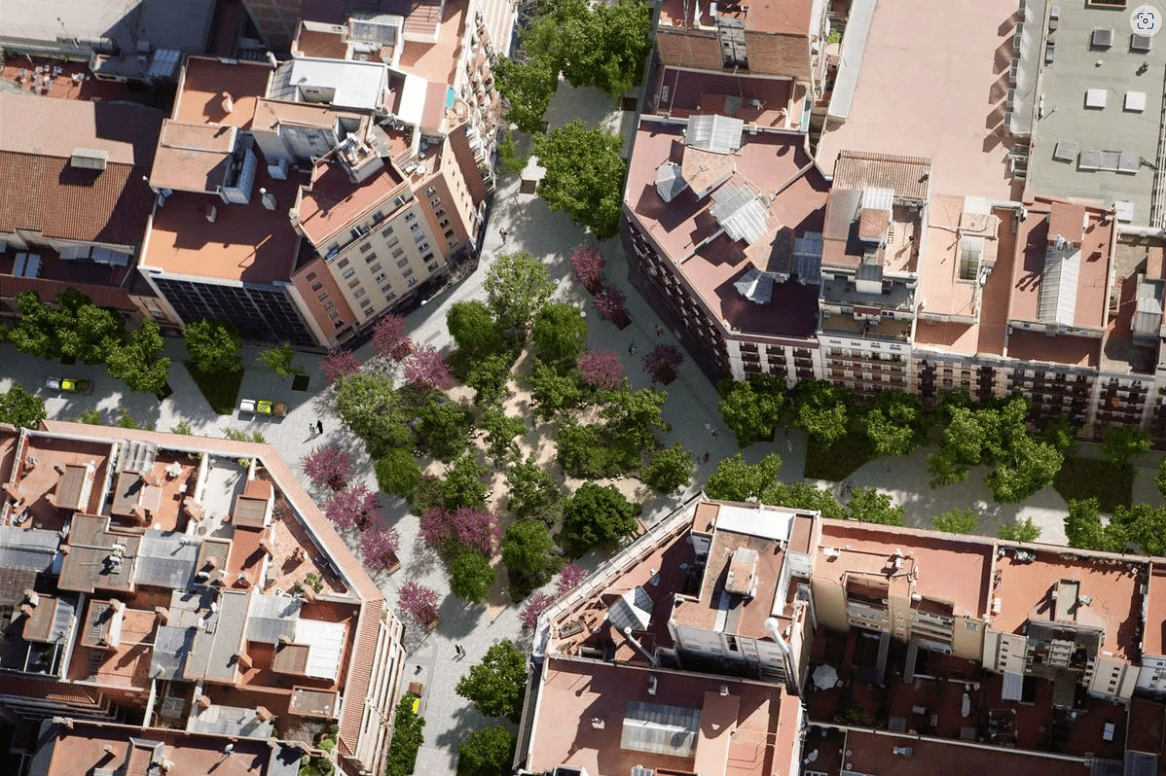
Barcelona, Spain – Superblocks
Driven by a desire to reduce extremely high levels of noise and air pollution, Barcelona has been transforming its city streets into streets for its citizen with the ambition to “fill out city with life”.
Barcelona is famous for his grid-style layout, referred to as ‘blocks’ which has traditionally been very car-centric and unfriendly to pedestrians. However, the interventions made by the city government have seen traffic restricted to major roads, internal roads reduced to 10/mph and restricted to residents and service vehicles, and the spaces between blocs being reimagined into large civic spaces. Where there used to be intersections there is now playgrounds and civic spaces with picnic tables.
These suitably named ‘superblocks’ have reimagined the city from one which isn’t friendly to pedestrians to one where children can freely play outside.
Rotterdam, The Netherlands – Building Blocks
Rotterdam, uncharacteristically for a Dutch city is quite car-centric (despite efforts from the local government), and in 2006 was labelled the worst Dutch city to raise a child in. In an effort to attract affluent families to the area to raise the economic profile of Rotterdam, the city has seen major investment.
In the first stage of this investment, the government focused on one neighbourhood, Oude Noorden. This investment saw improvements to schoolyards and public spaces, making them greener, more playful and more sociable. Improvements were also made to walking and cycling routes and the provision of more privately owned family housing. This first stage saw the development of a ‘play space planning norms’ guidance document which, for example, includes guidance on how residential streets should include pavements at least 3metres wide, preferably on the sunny side of the street to facilitate play.
The second stage of this investment included mapping out the limitations and opportunities for improvement of key target neighbourhoods across Rotterdam. Part of this work, titled “Droomstraat” (dream streets) was a co-creation process involving children in the redesign of their neighbourhoods.
Ultimately, this work has been successful in attracting more affluent families to the area. Both existing and new, more affluent residents have been supportive of these changes.
Freiburg, Germany – The Perfect Example?
Over the last 40 years, the city of Freiburg has taken a long-term strategic vision for land-use, transport and engagement strategies. Cars have been limited to walking speeds, parking has been designated to parking areas and streets have been ‘reclaimed’ to areas to stay and play. The criteria for development has clearly been focused on families and local people with Freiburg now being recognised as an exemplar green city for children and families.
One study and field visit by independent researcher, Tim Gill revealed that Vauban, a neighbourhood in Freiburg is a great example of what cities could look like:
“Housing is typically in the form of 4-5 storey apartments. All dwellings offer immediate, car-free access to public space (either green space or restricted access roads). Public space is well-overlooked. There are few if any dedicated play spaces; for the most part, play structures and features are integrated into the wider landscape. The number of children and adults out in the public spaces was striking. Children were present in almost all the green spaces. Younger children were accompanied by parents/caregivers, while older children frequently were not.”
Image 5. Eco-district in Freiburg, Germany
 [23] as well as in case studies from around the world. This section of the background paper will highlight elements of the built environment which are documented as potential barriers to a city being considered child-friendly.
Child friendly cities are cities which take into account and integrate the best interests and rights of children, and make sure that the needs and priorities of children are reflected at the local level in order to improve the well-being of children and enjoyment of their rights. In the context of urban planning, a child friendly approach sets out the basic case for cities to be good, healthy places for children to live, play and grow up. As per the Child Friendly City Model[24], a child-friendly city is one where children:
- ‘Are protected from exploitation, violence and abuse.
- Have a good start in life and grow up healthy and cared for.
- Have access to quality social services.
- Experience quality, inclusive and participatory education and skills development.
- Express their opinions and influence decisions that affect them.
- Participate in family, cultural, city/community and social life.
- Live in a safe secure and clean environment with access to green spaces.
- Meet friends and have places to play and enjoy themselves.
- Have a fair chance in life regardless of their ethnic origin, religion, income, gender or ability’ (UNICEF)
One of the primary ways which children and young people experience the built environment is through play. Rousseau defines play as “a way of life to a child”, whereas “to an adult it often means unimportant recreational things we do when we are not working”. Play encompasses children’s behaviour which is self-directed. They have the freedom to choose how and when they play, without an agenda, set goals or rewards. Play is the way children interact with (and make sense of) the world: it is an innate desire to explore, socialise and have fun and involves a process of observing, testing, imitating, and enjoying the environment they are in and people they are with[25]. The UNICEF Places and Spaces report is an extensive report exploring children and young people’s experience of the built environment[26]. The ARUP Cities Alive: Designing for Urban Childhoods is another extensive report which provides further examples of children and young people’s experiences of the built environment and provides case studies and recommendations for decision-makers[27].
A review by the Lego Foundation has allowed the benefits of play to be categorised into four main themes – language skills, physical development, personal, social and emotional development and creativity and individuality.
Language Skills
Children will often copy and mimic the language of other children during play which is related to later expressive vocabulary ability. Children who play with their friends and peers have greater ability to understand words when they hear or read them. Play also allows children to become better storytellers as they develop their imagination. Through play, children take us on adventures – from sailing the seven seas to dragon-guarded castles – stories expand the minds of children.
Outdoor play also provides rich opportunities for language development as it allows for freer, louder expression[28]. Children who engage with outdoor play can gain confidence and find their voice.
Physical Development
There is a positive link between play and the development of physical skills. Children who engage in both structured and free play are more likely to increase their overall levels of play – although it is to be noted that there is not a ‘one-size-fits-all’. Physical games have also been reported to increase children’s gross motor skills. Where children play can also impact their physical skills development. Some studies have found that playing in natural outdoor space can result in a wider variety of play activities, than those playing in a built playground.
Overall, active play in early childhood helps build strong bones, muscle strength and lung capacity and, whilst playing, children use their physical skills in spontaneous ways that help them develop sophisticated physical skills and coordinated movements[29].
Personal, Social and Emotional Development
Play has an important role to play in the personal, social and emotional development of children and young people. Children need to learn to handle disappointment, misunderstandings, frustration, rejections and limitations to their wants and needs. They need to learn how to empathise with their friends, families and peers. They must learn what is and is not acceptable to do in a wide variety of set tings and relationships, and must also learn to become self-aware, motivated and confident in the face of difficulties. Growing up in a society where one-in-five children has a probable mental health condition; it has never been more critical that every child has every chance to understand and self-regulate their emotions and feelings through play.
Creativity and Individuality
Play allows children to exercise their creativity – from the materials that are used, to the roles that they play – and play enables children to try out new solutions to problems. Creativity is hard to define and so it is somewhat difficult to measure. Some studies suggest there is a relationship between play and the ability to generate a variety of ideas. Furthermore, role-play and imaginative play is a potential pathway to the development of creative skills.
Playgrounds are seen as the typical place for children to play. They act as a safe space where children have the opportunity to develop vital physical, mental, imaginative, emotional and social skills[30]. Traditionally, playgrounds feature swings, monkey bars and slides but they are now being designed to be more inclusive and engaging to children of varying needs[31],[32]. However, decades of underinvestment and poor planning choices have resulted in nearly 800 playgrounds facing closure since 2013[33]. There is also a worrying understanding that in more deprived areas, there is a higher density of children relying on a play space to meet their needs leading to overcrowding and unfair access to recreational spaces.
Our streets can be our most accessible public spaces and should be designed be safe[34] and to allow for greater opportunities for play[35],[36]. Local parks are valued by children, but most are only accessing these with an adult present. Parks are spaces where children can interact with others and engage in physical activity in a natural setting[37]. In neighbourhoods where there are no parks, these spaces are missed. Access to and contact with local parks, greenery and trees within the built environmental has been linked to a range of physical, mental, developmental and emotional benefits[38],[39],[40]. Further, it is well documented that women and girls’ access to the built environment, and particularly parks and greenspaces is somewhat limited due to fear of their personal safety. Research conducted by the University of Leeds found this to be true across West Yorkshire. The presence and dominance of these spaces by men and groups of boys were found to be the main factor limited women and girls enjoyment of these spaces. Better design and planning can allow for the benefits of parks and greenspaces to be enjoyed by everyone[41].
There has been an overall decline in children’s independent mobility over the last 20 years[42] due to rapid urbanisation of our cities and increased motorisation which have resulted in physical changes to our built environment. Independent mobility can be defined as “the freedom to occupy and move around the public realm – either alone or with other children – without adult supervision”[43]. Further, there is a fundamental concern surrounding traffic and the way this impacts children and young people’s experience and connection with the built environment[44]. Children under the age of 16 are the most vulnerable road users with child pedestrians accounting for the majority of child casualties across all road users[45]. As such, children and their caregivers are fearful of the children’s safety in public spaces.
In 2022, the Council conducted Play Sufficiency research which sought to understand how children in certain priority wards of Leeds experience play. This research will enable the Council to develop targeted, context specific, evidence-based, strategic and sustainable action plans, aimed at creating more favourable conditions for play.
The results of the Play Sufficiency Assessment online survey show that almost 1 in 4 children rated their opportunities for play as being OK or worse. Given that play is central to children’s well-being and healthy development, this should be a significant concern. The survey suggests a correlation for children between overall play satisfaction and their ability to play out. The majority of children who rate their satisfaction as great overall are playing out most days or a few days each week. However, when it comes to those that rate their overall satisfaction as not good or rubbish, the majority report that they hardly ever or don’t play out. Playing out appears to be a core factor for play satisfaction levels, yet there were children (aged 9 - 10 years) in each research area who could only list rooms in their house or a relative’s house as places they could play without a grown-up present.
Tim Gill, a longstanding advocate for child-friendly urban planning and design says that “children can be seen as an indicator species for cities. The visible presence of children and youth is a sign of the health of human habitats.” In this way a place that works for children can be seen to work for everyone.
How will the policy help deliver the Council’s corporate strategy?
Best City Ambition
These new planning policies directly support the health and wellbeing and inclusive growth pillars of the Best City Ambition. The ‘Health and Wellbeing’ pillar seeks to ensure that “children in all areas of the city have the best start in life and enjoy a healthy, happy and friendly childhood”. By enshrining the needs of children and young people in planning policies we are actively working towards this aim. In relation to the ‘Inclusive Growth’ pillar, it is acknowledged that “place matters and positive identity, culture, heritage and pride in our communities are vital assets in a sustainable future for the City and its local centres”. Developments which are mindful and considerate of the needs of children and young people will actively work towards this ambition.
Children and Young People’s Plan (2018-2023)
Our vision is for Leeds to be the best city in the UK and the best city for children and young people to grow up in. We want Leeds to be a child friendly city. In Local Plan Update 1, we introduced direct references to play sufficiency in our policies around new green and blue infrastructure which seeks to ensure that any play provision is suitable for all children and young people, designed in accordance with national guidance and local play sufficiency assessments[46].
This Local Plan Update will continue this conversation by introducing further policies relating to how children experience the built environment and their needs in relation to this. By introducing further planning policies which are strictly focused on the needs and wants of children and young people, we will move closer to achieving this our corporate ambition for Leeds to be the best city to grow up in. In Leeds, we want all children and young people to:
- be safe from harm
- do well at all levels of learning and have skills for life
- enjoy healthy lifestyles
- have fun growing up
- be active, have a voice and feel heard
The policies contained in this local plan update will improve the lives and development of children across Leeds by ensuring that new developments are considerate of the needs of children and young people, both in how they access the city on a day-to-day basis, but also how they play within the city.
Leeds Vision Zero 2040 Strategy
Around the world, cities are pioneering a ‘Vision Zero’ approach to road danger. This is the ethical position that that no one should die or suffer serious injury from using roads. Leeds is the first in West Yorkshire to adopt this, and the Leeds Safe Roads Vision Zero 2040 is our own ambition to eliminate fatal and serious road injuries from our city by 2040. One of the pillars to achieve this ambition is by designing safer streets that put the needs of people and communities above those of vehicles. That means creating streets that are safer for active travel through design, implementing a network of safer routes to create environments that make people safe and measures to reduce the dominance of motor vehicles. This will make it easier for people to travel in greener, healthier ways.
The principles of child friendly cities would contribute towards the Leeds Vision Zero 2040 Strategy as child friendly spaces are spaces that are not dominated by cars, that encourage more sustainable modes of transport that allow children to play freely in their neighbourhoods, free from the worry of road danger.
How is the policy consistent with the NPPF?
One of the duties of Local Planning Authorities, as highlighted in Chapter 8 of the National Planning Policy Framework (NPPF) is to aim to achieve healthy, inclusive and safe places. Chapter 8, paragraph 92 specifically states that healthy, inclusive and safe places are ones which:
- promote social interaction, including opportunities for meetings between people who might not otherwise come into contact with each other – for example through mixed-use developments, strong neighbourhood centres, street layouts that allow for easy pedestrian and cycle connections within and between neighbourhoods, and active street frontages;
- are safe and accessible, so that crime and disorder, and the fear of crime, do not undermine the quality of life or community cohesion – for example through the use of attractive, well-designed, clear and legible pedestrian and cycle routes, and high quality public space, which encourage the active and continual use of public areas; and
- enable and support healthy lifestyles, especially where this would address identified local health and well-being needs – for example through the provision of safe and accessible green infrastructure, sports facilities, local shops, access to healthier food, allotments and layouts that encourage walking and cycling.
Furthermore, whilst not directly referenced in the NPPF, the National Design Code provides additional guidance on the development of formal play spaces. According to the National Design Code, “sustainable places include a mix of uses that support everyday activities including spaces to live, work and play”. Additionally, all developments should enhance the natural and built environment, which includes references to the provision of Local Areas of Play (LAPs), Local Equipped Areas of Play (LEAPs) and Neighbourhood Equipped Areas of Play (NEAPs).
The child-friendly policies contained in this local plan update will promote social interaction between children, young people and their caregivers by creating an urban environment which is more welcoming to their needs. Safety and accessibility are central to the concept of a child-friendly city as children and young people are often our most vulnerable citizens. Leeds City Council recommends the Proximity of Care Design Guide as the guidance material of how to create safe and accessible spaces for children and young people. Child-friendly cities will create an environment which encourages play and interaction which will be beneficial to children and young people’s physical and mental health. The new policy dedicated to play and recreation will establish a precedent for good quality play provision within the Leeds district. This will enable communities to flourish through the development of children and young people.
How are we going to measure the impact of the policy?
The policies relating to child-friendly cities are related to the design of the built environment and as such are difficult to measure empirically. The design of buildings and spaces will be in response to individual site considerations, the specific nature of the development and the intended users of said development. As such, any development will be judged against the requirements of the policies relating to child-friendly cities, and other policies in the Local Plan, including Neighbourhood Plans. Development schemes which are not considered to be considerate of the needs of children and young people, as per these policies, may be refused.
Whilst assessing the impact of these policies on particular sites may be challenging, we will co-producing an annual report which assesses how child-friendly the built environment of Leeds is according to a list of indicators (outlined below). These indicators will focus on measurable changes to local neighbourhoods and the wider city, and on short and long-term outcomes for children. The indicators outlined below draw on the work by the Bernard van Leer Foundation and Tim Gill’s book, Urban Playground[47].
Longlist of Indicators |
|
I walk / cycle |
|
I go outside and play nearby |
|
I go outside and play nearby |
|
I feel welcome and safe outside |
|
I have natural green space |
|
I have peace and quiet outdoors |
|
My neighbourhood has lots of trees |
|
I have a choice of fun outdoor places |
|
I can have a picnic with family and friends |
|
I travel downtown |
|
How will it be implemented?
The policy will be implemented through the Development Management process and used in the determination of planning applications affecting all development across Leeds through the submission of Design and Access statements, which must show a direct reference to children and young people.
This policy will have an important role in clearly setting out what the expectations of new development are.
Further guidance will be found in the Leeds Design Code and the Leeds Play Sufficiency Assessment.
Equality, diversity, cohesion and integration
A policy which is centred around establishing and upholding the needs and desires of children and young people in new developments is predicted to have an overall positive impact on individuals within the protected characteristics as defined in Chapter 1 of the Equality Act (2010).
What options are we presenting?
- New child-friendly policies to make it mandatory for developers to consider the needs of children and young people when proposing developments in Leeds?
Developing a guidance document to support policies such as P10 to guide developments
Gender Inclusive Planning
Why are these policies needed?
The built environment sector has long been dominated by a single demographic group – middle aged, able-bodied, working men. This has resulted the preferences, experiences and voices of half the population are an afterthought and sidelined in the built environment – if considered at all. Therefore, we have an environment where women report, year after year, that they are fearful of public spaces and that their freedoms are reduced as a result. For example, one study conducted by Women Friendly Leeds (2021) revealed that 97% of women believe that ‘being a woman’ affects their personal safety in Leeds. Any conversation around this topic must acknowledge the fact that the main reason for women feel unsafe in public space is men’s behaviour. However, the built environment can perpetuate these fears by creating unwelcoming environments. Many of these fears are triggered or accentuated by elements of the built environment such as poor street lighting, a lack of visible CCTV or concealed alleyways. The similarities between these elements is that they are all related to visibility.
Not feeling safe in your own city or neighbourhood has an impact on wellbeing, and it is evident from this survey that it restricts women’s choices and their freedom of movement. 91% of Leeds women said they take measures to try to protect themselves from sexual harassment and assault, including strategies which impact on their daily decisions about where they go, how they travel, who they speak to and what they wear.
In Leeds we have an ambition to be the best city in the UK – where we work together in partnership to achieve our goals, proud of our strengths and track record of success, but focused fiercely on tackling poverty and reducing inequalities wherever we can. Part of this ambition is to ensure that Leeds is a healthy and caring city for everyone which is well connected and caring – every community has access to local green spaces and people of all ages can enjoy activities that support their mental and physical health. Leeds will also be a place where we create growth in our economy that works for everyone, ensuring that people of all ages and backgrounds can enjoy access to education, skills, development and employment opportunities. Ensuring that new developments are inclusive of the needs of women, girls and gender diverse people will contribute toward achieving this aim by creating a built environment of equitable access.
What are these policies seeking to achieve?
In order to ensure that our city is striving towards delivering our ambition of inclusive growth, the policies and supporting design guidance / codes that we develop would be used to ensure new developments are inclusive of the needs of women, girls and gender diverse people.
Certain planning applications would be required to submit a statement of community involvement which shows how local women, girls and gender diverse people have been involved in the planning and design of a scheme. How their input has influenced the design and layout of a scheme would be expected to be demonstrated in the application’s Design and Access Statement.
Through these changes to the Local Plan, we believe that we will see less women reporting perceptions of fear and less reduction in their personal freedoms.
How will the policy help deliver the Council’s corporate strategy?
Best City Ambition
These new planning policies directly support the health and wellbeing and inclusive growth pillars of the Best City Ambition. In Leeds we have an ambition to be the best city in the UK – where we work together in partnership to achieve our goals, proud of our strengths and track record of success, but focused fiercely on tackling poverty and reducing inequalities wherever we can. Part of this ambition is to ensure that Leeds is a healthy and caring city for everyone which is well connected and caring – every community has access to local green spaces and people of all ages can enjoy activities that support their mental and physical health. Leeds will also be a place where we create growth in our economy that works for everyone, ensuring that people of all ages and backgrounds can enjoy access to education, skills, development and employment opportunities. Ensuring that new developments are inclusive of the needs of women, girls and gender diverse people will contribute toward achieving this aim by creating a built environment of equitable access.
How is the policy consistent with the NPPF?
One of the duties of Local Planning Authorities, as highlighted in Chapter 8 of the National Planning Policy Framework (NPPF) is to aim to achieve healthy, inclusive and safe places. Chapter 8, paragraph 92 specifically states that healthy, inclusive and safe places are ones which:
- promote social interaction, including opportunities for meetings between people who might not otherwise come into contact with each other – for example through mixed-use developments, strong neighbourhood centres, street layouts that allow for easy pedestrian and cycle connections within and between neighbourhoods, and active street frontages;
- are safe and accessible, so that crime and disorder, and the fear of crime, do not undermine the quality of life or community cohesion – for example through the use of attractive, well-designed, clear and legible pedestrian and cycle routes, and high quality public space, which encourage the active and continual use of public areas; and
- enable and support healthy lifestyles, especially where this would address identified local health and well-being needs – for example through the provision of safe and accessible green infrastructure, sports facilities, local shops, access to healthier food, allotments and layouts that encourage walking and cycling.
Is the policy justified by the evidence?
The threat of harassment and violence restricts and inconveniences the everyday lives of women and girls which in turn limits their freedom to use, enjoy and benefit from public space[48]. Since the 1970s, academics have highlighted the extent to which women experience heightened levels of fear and insecurity in the built environment[49]. Further, it has pinpointed exactly which elements of the built environment contribute to these negative experiences. Despite this, recent studies indicate that even today women feel unsafe in public space, suggesting that there has been little progress to resolve this issue. Fifty years have passed since these studies were first published, which demonstrates a failure of the planning community, and society more generally, to address these problems. For instance, the COVID-19 Lockdowns in the UK highlighted the extent to which women still feel unsafe in public space. Concerning articles and publications were published which indicated that women feel unsafe when exercising in public due to fear of being harassed or assaulted[50]. This in turn has a negative impact on their physical and mental health. Many studies which explore women’s fear in public space find that perceptions of fear are triggered or accentuated by elements of the built environment such as poor street lighting, a lack of visible CCTV or concealed alleyways. The similarities between these elements is that they are all related to visibility. Furthermore, it has also been argued that being fearful in the built environment can effectively 'shrink' the city for those who are affected[51]. Consequently, this affects women's liberty to freely exercise their right to the city. It is vital that we acknowledge the stark difference between men and women’s experience of the built environment if we are to create an equal city which is inclusive for all.
One piece of work, conducted by the University of Leeds in partnership with the West Yorkshire Combined Authority sought to better understand what women and girls perceive makes parks feel safe and unsafe, and why. Feeling unsafe in a park was naturally seen as a barrier to using the park. Women and girls’ views on feeling unsafe in parks encompass broader societal issues such as misogyny, harassment and violence against women and girls as well as the specifics of park design such as trimming vegetation, installing lighting, park layout and scale. By demonstrating that feelings of safety in parks are part of broader societal phenomena that go beyond parks, this research recommends that improvements to the design and management of parks must be part of a holistic, multi-agency approach that addresses the root causes of women and girls’ unsafety and the specific problems of violence against women and girls in certain parks.
Academic literature and research around women’s experience of the built environment tends to focus almost exclusively on women’s fear and safety[52]. Whilst this is an important issue that we must get right to ensure women’s freedom in the city, it is but one piece of the puzzle. The women and planning movement is a broad field of work. It focuses on women’s ability to live a full life with safety as a part of this. Other themes which focus on women’s experience and right to exist in the built environment also focus on the importance of children having safe environments to play in, safe pedestrian access including wider pavements with better landscaping or pedestrian segregation from main traffic routes and safe access for buggies and wheelchairs, with more places to rest and relax[53]. Focusing on women’s safety as the only way women experience the built environment is problematic and so the scope of this work needs to expand.
How are we going to measure the impact of the policy?
There is an opportunity to conduct regular annual surveys which seek to explore people’s perceptions of the built environment and whether they believe it works for them. This survey would need to apply to every citizen in Leeds. However, we would ensure that the data that we collect is gender disaggregated to understand any gender inequalities in society.
How will it be implemented?
The policy will be implemented through the Development Management process and used in the determination of planning applications affecting all development across Leeds through the submission of Design and Access statements, which must show a direct reference to women, girls and gender-diverse people.
This policy will have an important role in clearly setting out what the expectations of new development are.
Further guidance will be found in the Leeds Design Code and the Leeds Play Sufficiency Assessment.
Equality, diversity, cohesion and integration
A policy which is centred around establishing and upholding the needs and desires of women, girls and gender-diverse people in new developments is predicted to have an overall positive impact on individuals within the protected characteristics as defined in Chapter 1 of the Equality Act (2010).
What options are we presenting?
To adequately address the needs of women, girls and gender diverse people we are proposing to develop a high-level dedicated planning policy to ensure that new development is considerate of the needs of this demographic. As this would be a relatively new concept in the planning system, we would also seek to develop additional guidance to support the development industry. This policy will be co-designed with the women, girls and gender-diverse people of Leeds to ensure that it is truly representative. This policy would be high level to ensure that development can both respond to local need and character, rather than being a strict, prescriptive policy.
[1] Living with beauty: Report of the Building Better, Building Beautiful Commission – an Independent report on how to promote and increase the use of high-quality design for new build homes and neighbourhoods.
Published 30 January 2020 (MHCLG)
[2] ‘Cities Alive: Designing for Urban Childhoods’ published December 2017 (Arups) and ‘Housing Design for Community Life’ published November 2016 (ZCD Architects)
[4] Spatial Planning for Health: an evidence resource for planning and designing healthier places (publishing.service.gov.uk)
[5] Spatial Planning and Health: Getting Research into Practice (GRIP) - study report (publishing.service.gov.uk)
[15] Leaning Through Play and the Development of Holistic Skills Across Childhood (Lego Foundation, 2022)
[17] Children’s Independent Mobility: Current Knowledge, Future Directions and Public Health Implications (Marzi and Kerstin Reimers, 2018)
[18] Making London Child-Friendly (Greater London Authority, 2020)
[22] Cities Alive: Designing for Urban Childhoods (ARUP, 2017)
[34] C40 Knowledge: Designing Streets for Kids – this is an extensive guide which we highly recommend.
[42] Children’s Independent Mobility: Current Knowledge, Future Directions and Public Health Implications (Marzi and Kerstin Reimers, 2018)
[43] Making London Child-Friendly (Greater London Authority, 2020)
[47] Urban Playground: How Child-Friendly Urban Planning and Design can Save Cities (Gill, 2021)
[48] Barker et al. 2022
[49] Very-Gray and Kelly, 2020
[50] Oppenheim, 2020
[51] Meth, 2019
[52] Horwood and Morphet, 2023
[53] ibid
Discover more
Statement of Representation
Providing details about the purpose of the consultation, how to view the material, how to submit comments, accessibility and privacy notice.
Archived 2025 Consultation Material
This is for information only

Further information
Explains the work already undertaken on the Plan and the new plan-making process
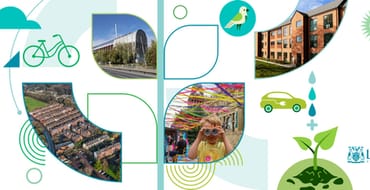
Leeds Local Plan Issues & Options Consultation Report
Summary of the Leeds Local Plan Issues & Options Consultation Summer 2025

Leeds Local Plan Scoping Consultation Document
We would like your views on which general topic areas the Leeds Local Plan should cover and how you would like to be consulted as the plan is developed.
Stay Informed
Follow our projects to get notified of upcoming engagements and the latest project related news.