The Paddock Enhancement Project
Find out out about our proposals to transform The Paddock.
Your feedback so far...
Transforming The Paddock
About the Paddock Enhancement Project
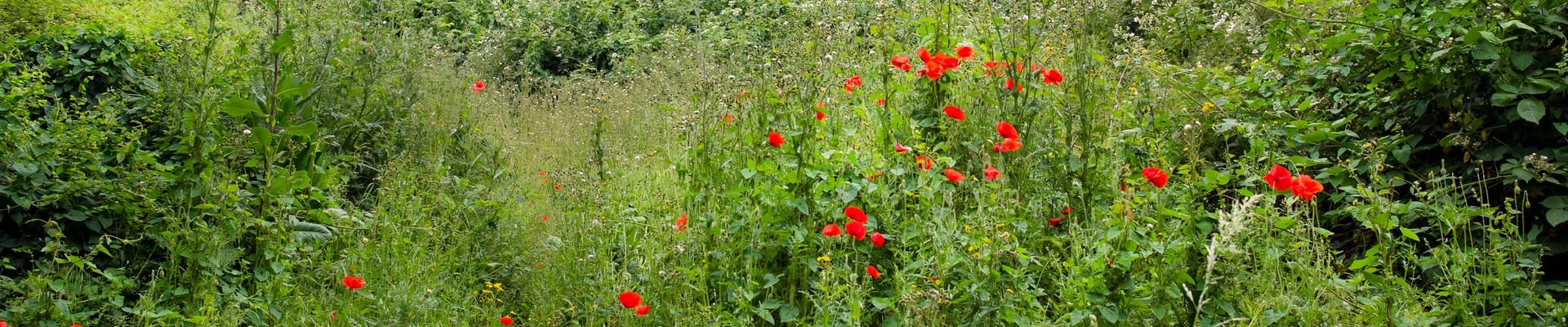
At The Paddock, Haringey Council is working with The Conservation Volunteers (TCV), the Friends of the Paddock and local residents and businesses to transform the site from an underused and overgrown green space into a welcoming Local Nature Reserve. This will delivered through new management arrangements and a programme of physical improvements.
History and ecology
The Paddock has had a long and surprising history. Until the mid-19th Century it formed the northern half of the Mill Mead water meadow, and was common land supplying grain to the neighbouring Tottenham Mill. It then became the playing fields for the Harris Lebus factory, before being abandoned and used for horse grazing and the dumping of clay from the construction of the Victoria Line.
Its isolated location and post-industrial history has meant that The Paddock has primarily developed by natural colonisation, creating a unique ecology and landscape character. You can read more about the history and ecology of The Paddock here.
Over the last decade, The Paddock had become a poorly-used and under-maintained green space which has, over time, deterred people from using the space. However, partnership with The Conservation Volunteers (TCV) and investment in the site since 2020 is already starting to make a difference, with greater public usage and visible improvements to the site.
The project
Key objectives
The Paddock Enhancement Project aims to create a new publicly-accessible designated Local Nature Reserve in the east of the borough, delivering an exemplar site for ecology and biodiversity in Haringey.
Our key objectives are to create:
- A well-used green space, which supports community and educational activities, and provides multiple opportunities for visitors to explore and learn in a unique ecological setting
- A well-managed, exemplar site for ecology and biodiversity in Haringey
- A well-connected green space, which seamlessly integrates with the new Hale Wharf pedestrian bridges and Ferry Lane improvements and is a key element of the emerging network of green routes connecting Tottenham to the Lee Valley
Defining the proposals
The project proposals will be defined by Haringey Council’s key objectives as well as by ecology and tree surveys, analysis of the space and user feedback. The user surveys completed in the early part of the project have provided a useful insight into how people use the site and what they would like to see and do there.
Site Issues
There are a number of issues at The Paddock which impact on user experience and the habitats. These include:
- Poor access across the site
- Anti-social behaviour issues making the site an unwelcoming setting
- High levels of litter and detritus
- Japanese knotweed infestation smothering habitats
New Connections
The Paddock is currently isolated, so linking it into the wider network of open spaces is a vital element of the project. This is being achieved through the transformation of the southern boundary with Ferry Lane in 2020 and building a new set of pedestrian bridges crossing Pymmes Brook, the River Lee Navigation and Old River Lea from Mill Mead Road to Hale Wharf and onto the northern tip of The Paddock.
Incorporating your feedback
As part of the first round of consultation, participants were asked to prioritise their most important features and also highlight key areas for improvement.
Addressing the issues
Physical improvements
The masterplan proposals and management plan aim to address the key issues through specific interventions to ensure habitats are protected and enhanced whilst access to the site is improved.
- Access improvements aim to ensure users of all levels of mobility have access across the site. This includes improved access to the water’s edge
- Concerns over safety, anti-social behaviour and littering will largely be addressed through creating clear sight lines, an increase in user numbers and core staff presence on site
- Japanese Knotweed removal is a significant part of the work
- The frontage of the site on Ferry Lane has seen new gates and railings installed along with a swale (shallow ditch) to improve drainage and a planting scheme
Improving Site Management
We are focused on the long-term management and maintenance of the site including woodland, meadows and river bank. This work has already started and it is being undertaken by The Conservation Volunteers (TCV), who the Council partnered with in 2020. This work involves preparation of a Management Plan which will set out how the site will be managed over 21 years, to protect and enhance the natural habitats. This will make The Paddock a great place for local people to visit, and will steer the site towards designated Local Nature Reserve status.
Management activities will increase further once the main landscaping works are complete. To find out more about how you can take part in volunteering and support the ongoing management of The Paddock, please visit www.tcv.org.uk/thepaddock.
Alongside their site management activities, TCV will provide:
- Staff presence on site
- A programme of volunteering opportunities
- Outreach work with community groups
- A programme of community activities, including engagement with local schools
Phasing of the work
Phase 1: Preliminary works and Japanese Knotweed removal - Winter 2022/23
Before any other works on site can begin it is important that any invasive species and any contamination issues are under control to ensure they are not spread further around the site. Works will include excavation and capping works to ensure all significant areas are treated.
The capped areas will be planted with a wildflower meadow, with carefully selected species that will enhance biodiversity and attract further wildlife.
Phase 2: Landscaping and infrastructure works - Spring 2026 to Autumn 2026
Phase 2 works commence on site once the ground contamination and invasive species have been treated. This work is focused on improving pathways and accessibility, sensitively providing protection for the habitats while providing facilities to cater to an increase in visitors to the Paddock.
The bulk of the landscape works will be delivered in this phase including:
- Access and pathways
- Signage: interpretation and wayfinding
- Seating
- Hides and viewing platforms
- Ponds
- new temporary educational buildings
The remaining landscape and ecological improvements will be undertaken over time by TCV and the Paddock volunteers.
What we have done so far
In 2020 we partnered with The Conservation Volunteers to develop a long-term management plan for The Paddock, develop a network of volunteers to manage the site, and engage local communities in conservation activities. This has already made a big difference to the look and feel of The Paddock.
In winter 2020/21 and summer 2021 we undertook two rounds of public consultation. In the first round, we asked people what was most important to them about the Paddock and what they would most like to improve. We used the responses to develop proposals to improve the site.
In the second round of consultation in June 2021, we presented our proposed Masterplan. We asked for feedback on proposals for improving accessibility, getting closer to nature, providing access to habitats and protecting them, the design and use of a new visitor centre, and treating the infestation of Japanese Knotweed at The Paddock. Following this feedback, we developed the proposals into detailed designs for implementation.
The first phase of work was carried out between January and May 2023, involving land remediation to clear the site of Japanese Knotweed, asbestos, and tonnes of historic fly-tipping. These works resulted in significant and unexpected changes to landforms and levels, which required the designs to be amended.
The designs have now been finalised and landscape contractors are being procured to deliver the second phase of works. We will share these detailed plans in Autumn 2024.
Design Proposals
Our initial design proposals for The Paddock have been informed by what you told us during the previous round of consultation in 2021, the approach to treatment of an extensive Japanese Knotweed infestation on the site, our own analysis and discussions with strategic partners (such as the Lee Valley Regional Park Authority and Walthamstow Wetlands). The designs are intended to address the following:
Support nature’s recovery
The site has been naturally colonised, and our works will focus on supporting its natural restoration and protecting sensitive habitats whilst making the site more accessible to the public. This includes:
- Treating the Japanese Knotweed infestation, which will otherwise threaten all the other habitats on the site
- Creating new meadows above the treated and capped areas
- Protecting sensitive nesting areas, wet woodland, riverbank and reed beds, via subtle access barriers and information boards
- Reprofiling sections of the riverbank to provide a greater range of habitats and nesting opportunities.
Help people reconnect with nature
The diversity of habitats and small-scale nature of The Paddock make it particularly well placed to help people reconnect with nature, by walking through the spaces, sitting and reflecting, attending activities or volunteering to help maintain the site. Our proposed works include:
- New and improved path networks and arrival points, making the site accessible for people with all levels of mobility and linking to the new bridge at the north of the site (estimated to open in Autumn 2024)
- Creating clear sight-lines and supporting on-site staff to address anti-social behaviour and make the site feel safer
- Creation of hides, viewing points and raised boardwalks to get closer to nature
- Delivery of a new education facilities (or purpose-built visitor centre/education facilities) facing Ferry Lane, to support volunteering, education and community activities
Updated timeline of the project (Oct.2024)
- Winter 2020/21: Identify priorities with residents and stakeholders
- Spring 2021: Initial design ideas
- Summer 2021: Public consultation on proposed masterplan
- Autumn 2021 - Spring 2022: Development of detailed design proposals (RIBA Stage 3)
- Summer 2022: Development of technical designs for implementation
- Summer 2022: Procurement of specialist Japanese Knotweed contractors
- Winter 2022/23 - Japanese Knotweed treatment and site remediation (managed around bird nesting season)
- Spring - Summer 2024: Procurement of landscape works contractors
- Autumn 2024: Main landscape works begin on site
- Summer 2025: Project completion
Discover more
Preliminary works complete
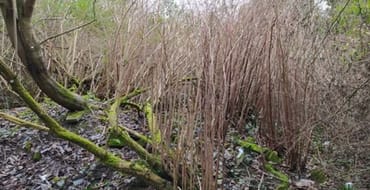
Preliminary works to treat Japanese Knotweed are now complete, May 2023.
Japanese Knotweed works: FAQs
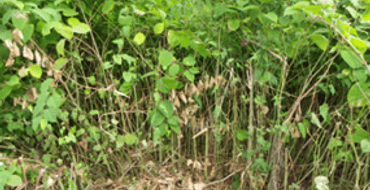
Answers to all your Frequently Asked Questions about the works to clear Japanese Knotweed.
About The Paddock
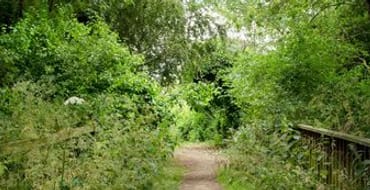
Find out more about The Paddock.
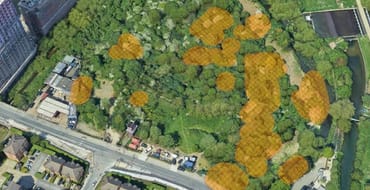
Japanese Knotweed treatment
Learn more about our proposals to treat infestations of Japanese Knotweed at the Paddock.
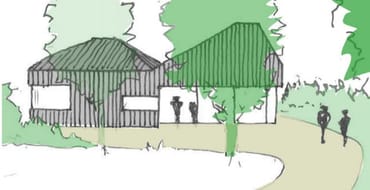
Visitor centre
Learn more about our proposals for a new visitor centre.
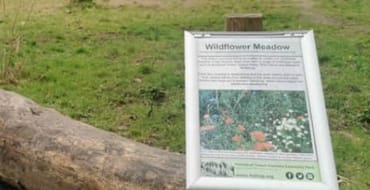
Habitat access and protection
Learn more about our proposals for natural forms of protection and seating areas.
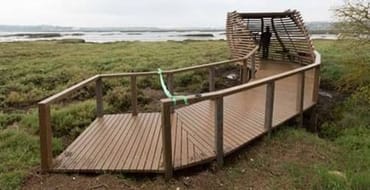
Getting closer to nature
Learn more about our proposals for a new pond and open riverside hide.
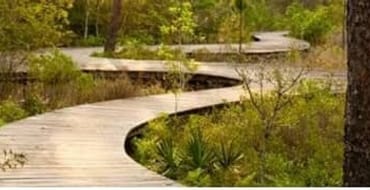
Movement and accessibility
Learn more about our proposals for primary routes, secondary routes and access points.
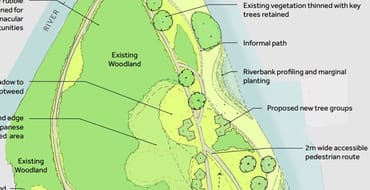
Proposed masterplan
Learn more about the proposed Paddock Masterplan, showing pathways, access points, wildlife hide and visitor building.
Stay Informed
Follow our projects to get notified of upcoming engagements and the latest project related news.