About The Paddock
The Paddock
Tottenham Hale contains a great variety of open spaces, from local park and play features to regionally important natural landscapes.
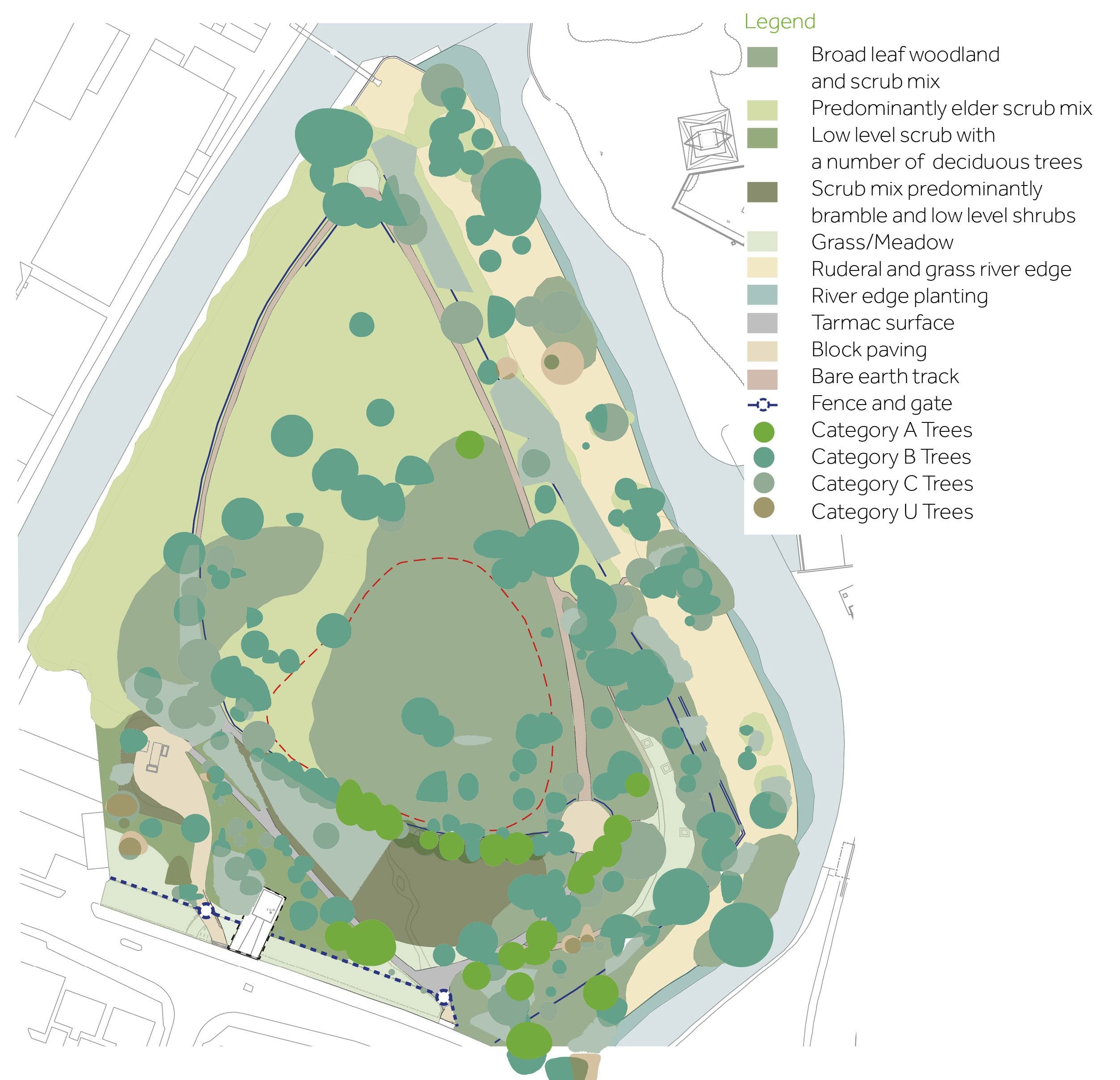
The Paddock is a historic island within the Lee Valley, bordered by watercourses to the north, east and west. Located in Tottenham Hale in the east of the borough, it is a 9.8 acre open space to the north of Ferry Lane in use as a community nature reserve located.
At The Paddock, Haringey Council is working with The Conservation Volunteers (TCV) and Friends group to transform the site from an underused and overgrown space into a welcoming Local Nature Reserve through new management arrangements and a programme of physical improvements.
The History of the Paddock
The Paddock has had a long and surprising history. Until the mid-19th century it formed the northern half of the Mill Mead water meadow. This was common land supplying grain to neighbouring Tottenham Mill, one of many mills located along the River Lea. The earliest mention of a mill at Hale Wharf is in 1254.
Archaeological excavations in 2018 at Hale Wharf uncovered 16th century foundations of the mill. Until its destruction by fire in 1860, the mill had produced flour for local villagers for centuries, grinding their grain grown on the meadow. The mill also manufactured very fine flour and, at times, woven paper, both aimed at the luxury market.
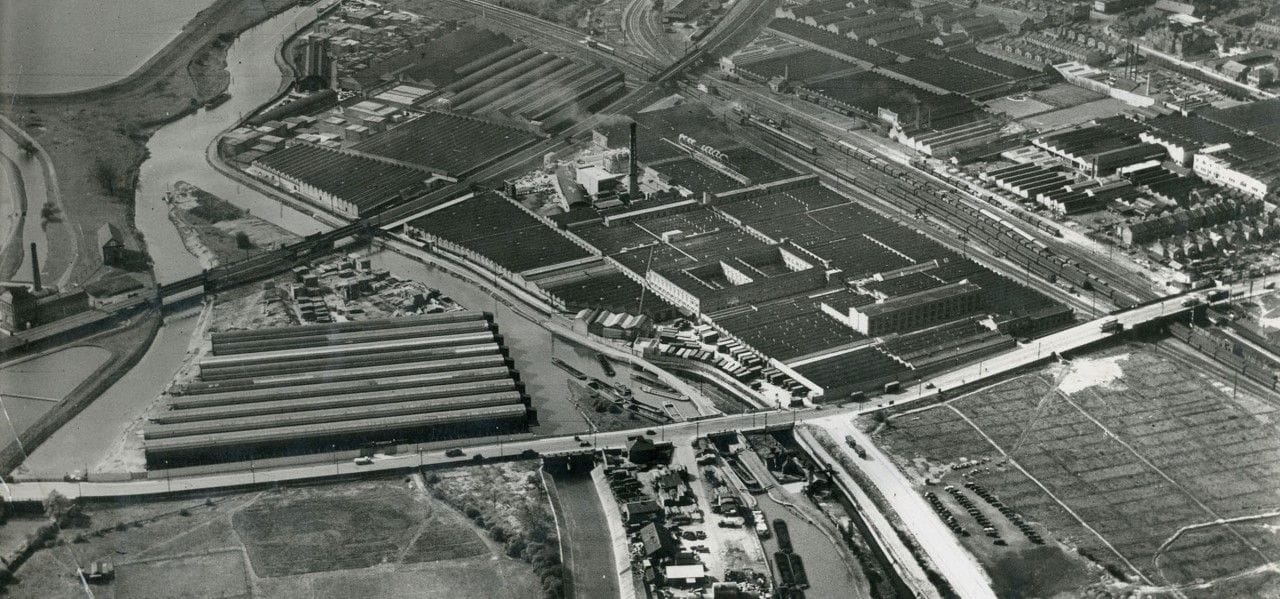
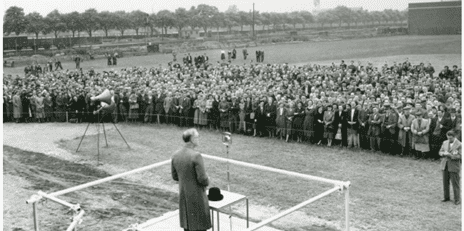
After World War One, the land became a sports and football ground owned by the nearby Harris Lebus furniture factory. Attracted to the open space, since 1901 this world-class name in industry expanded over the surrounding marshes. A major employer in the area, it provided outdoor facilities for its workforce. After Lebus closed in 1970, the site was abandoned, occasionally used to graze horses, hence the origin of the name ‘Paddock’. The building of the Victoria Line Extension between 1962-1968 also saw excavated clay deposited on the land, creating undulating ground levels.
The Paddock today
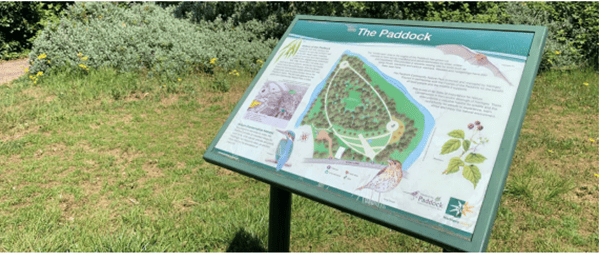
The Paddock Community Nature Reserve opened in 2000 providing a valuable habitat for wildlife and opportunities for visitors to enjoy the natural environment. Classified a key designated site for nature conservation and biodiversity within Haringey, it neighbours an ecologically rich area comprising the Walthamstow Wetlands, Tottenham Marshes and the River Lea.
Site Ecology
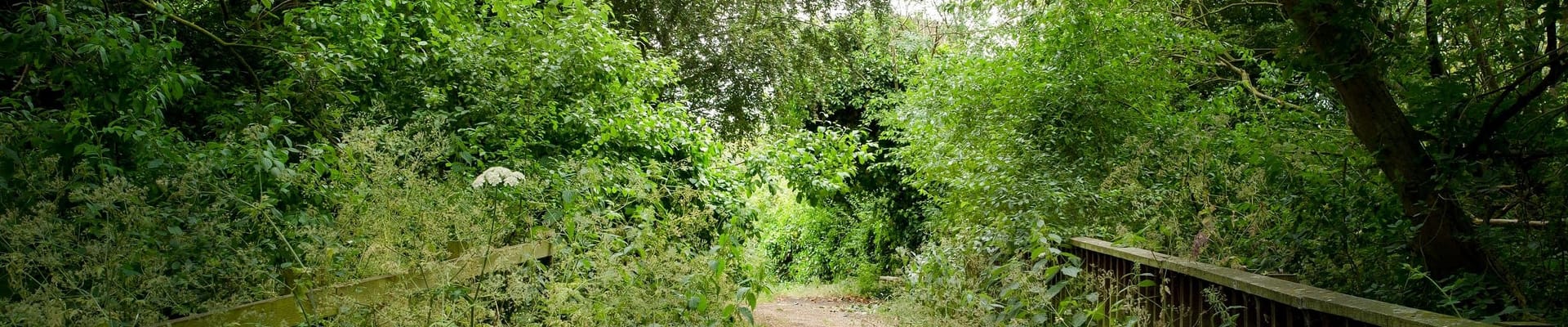
The isolated location and post-industrial history of the site has meant that The Paddock has primarily developed by natural colonisation, creating a unique ecology and landscape character.
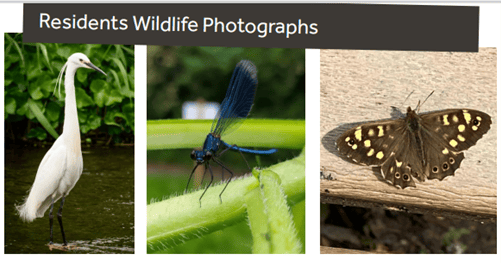
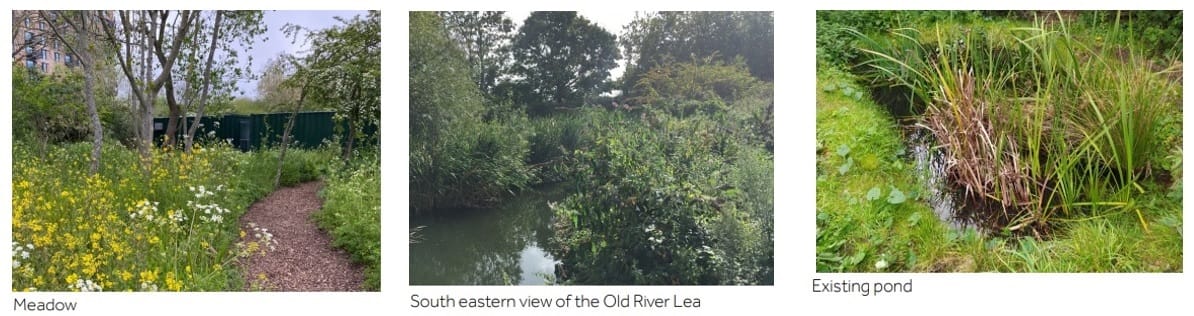
The Paddock has developed into a young woodland and scrub dominated by elder, willow and blackberry. This provides a valuable nesting habitat for birds such as song thrush, blackbird and various warblers. Weasels and hedgehogs have also been seen here.
Beneath the scrub canopy a rare variety of lichens and mosses have colonised historic construction rubble creating a unique ground-cover which is being studied (19 separate species have been identified).
The Old River Lea borders the eastern edge of the site, creating a natural river edge to the site - a rare occurrence in the local area where almost all the watercourses are canalised, with human-made boundaries. Reed beds and aquatic plants grow and provide habitat for kingfishers, sand martins, and amphibians.
Discover more
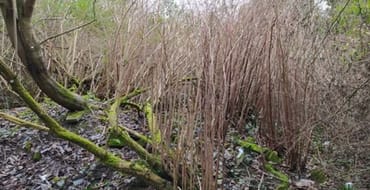
Preliminary works complete
Preliminary works to treat Japanese Knotweed are now complete, May 2023.
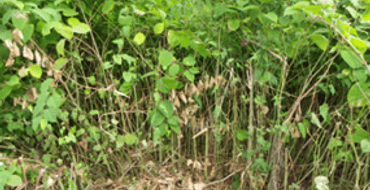
Japanese Knotweed works: FAQs
Answers to all your Frequently Asked Questions about the works to clear Japanese Knotweed.
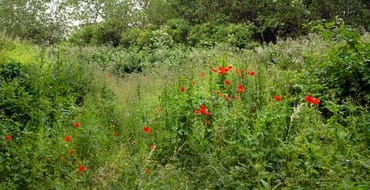
The Paddock Enhancement Project
Find out out about our proposals to transform The Paddock.
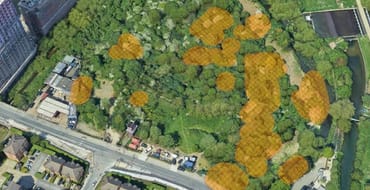
Japanese Knotweed treatment
Learn more about our proposals to treat infestations of Japanese Knotweed at the Paddock.
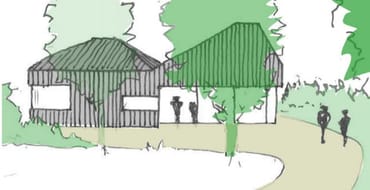
Visitor centre
Learn more about our proposals for a new visitor centre.
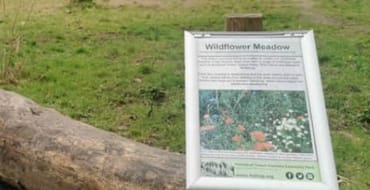
Habitat access and protection
Learn more about our proposals for natural forms of protection and seating areas.
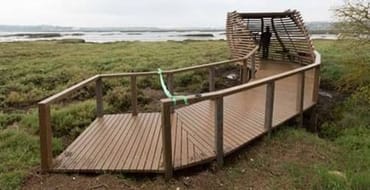
Getting closer to nature
Learn more about our proposals for a new pond and open riverside hide.
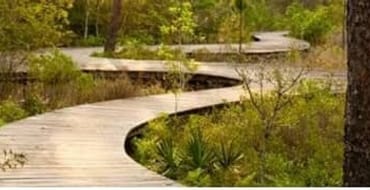
Movement and accessibility
Learn more about our proposals for primary routes, secondary routes and access points.
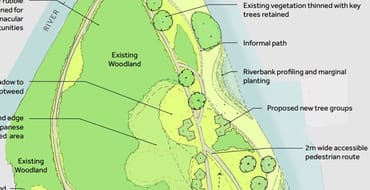
Proposed masterplan
Learn more about the proposed Paddock Masterplan, showing pathways, access points, wildlife hide and visitor building.
Stay Informed
Follow our projects to get notified of upcoming engagements and the latest project related news.