
History
Penstock Tunnel has long played a quiet but vital role in shaping the connections between communities in north London.
Penstock Tunnel
History of the Penstock Tunnel
Penstock Tunnel has long played a quiet but vital role in shaping the connections between communities in north London.
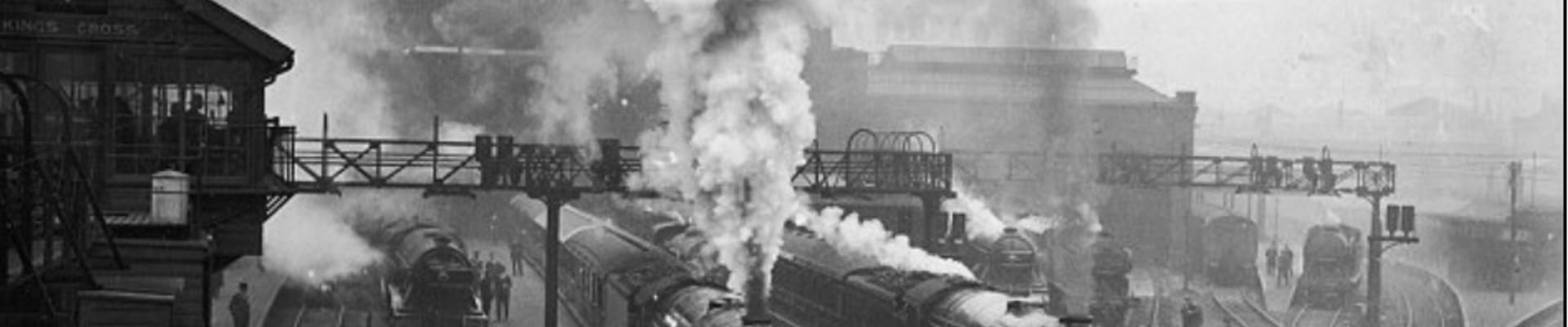
Its story begins in the late 1840s with the construction of the Great North Eastern Railway line from King's Cross. By 1859, the railway had reached Wood Green, carving through the landscape with bridges, cuttings, and tunnels—including Penstock Tunnel. As the railway expanded, so did the tunnel, extended to accommodate additional tracks and growing demand.
In 1863, Alexandra Park opened its gates, followed a decade later by the grand Alexandra Palace—known as the People’s Palace. These landmarks transformed Penstock Tunnel into a key pedestrian route, linking Wood Green town centre with the cultural and green spaces of Hornsey and Alexandra Park.
Today, Penstock Tunnel remains a well-used path for commuters, schoolchildren, and visitors. It connects the vibrant Cultural Quarter - home to Wood Green's creative sector and creative hubs like the Chocolate Factory and the new Alexandra Gate development - with the tranquil greenery of Alexandra Park. On its western edge lies the Hornsey Water Treatment Works, a reminder of the area's evolving infrastructure.
As the city grows, Penstock Tunnel continues to serve as a bridge between past and present, industry and creativity, nature and urban life.
Discover more
Community-led design and public art
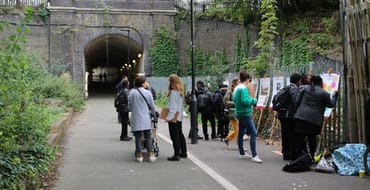
As part of the public realm improvements, a new permanent public artwork will be installed at the eastern entrance of Penstock Tunnel.

Construction updates
Information on the works underway.

Proposals to improve Penstock Tunnel
Find out more about the project, the works to be carried out and how this project links with Shaping Wood Green.
Stay Informed
Follow our projects to get notified of upcoming engagements and the latest project related news.