
Spring is on its Way! Look out for Flowers in the Woodlands...
SnowdropsThese are often one of the first signs that Winter is coming to an end and normally flower in January-February. They have been viewed as a symbol of hope and Spring to come. As they flower ea
Haringey’s Ancient Woodlands
Snowdrops
These are often one of the first signs that Winter is coming to an end and normally flower in January-February. They have been viewed as a symbol of hope and Spring to come.
As they flower early in the year, snowdrops do not rely on pollinators to reproduce. Instead, they spread via bulb division. As a result of climate change, there has been an increase in flowers seen in December, and occasionally as early as November!
They like damp soil and are often found in broadleaved woodland.
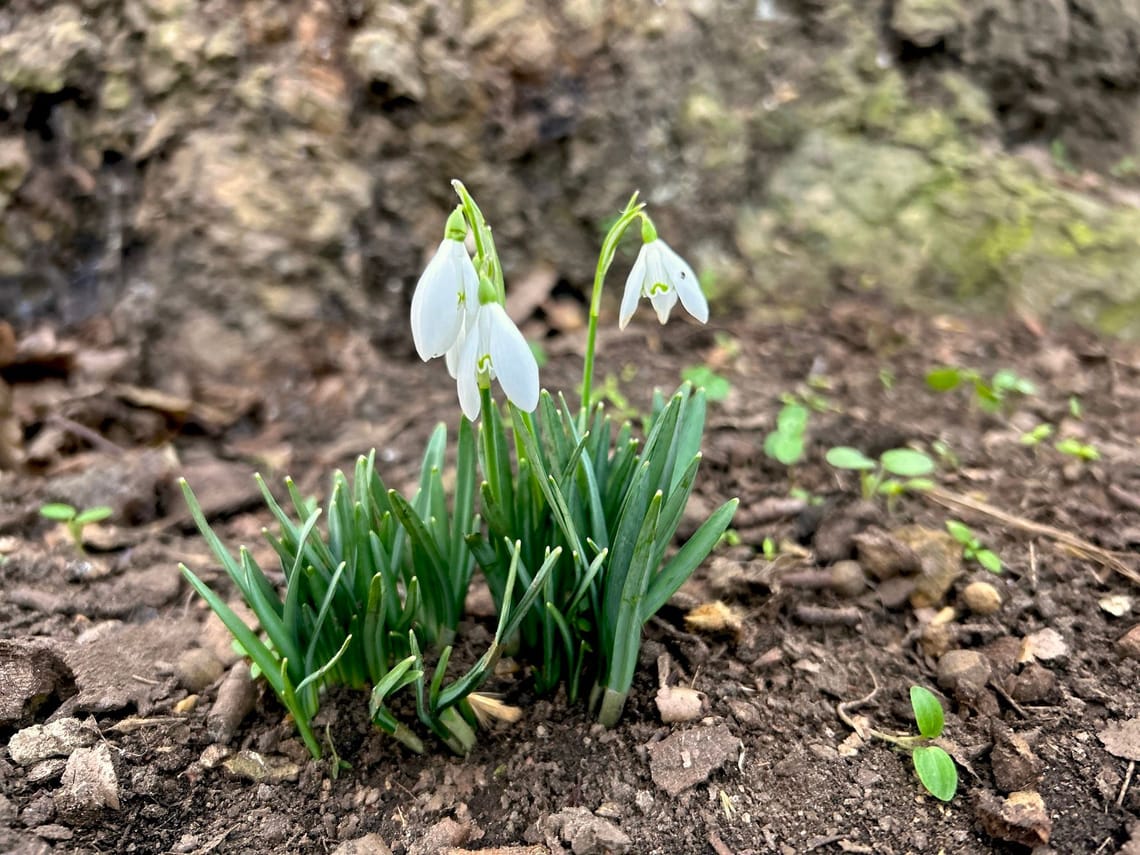
(Snowdrops at Queens Wood, photo Jonathan Samuels)
Daffodils
“I wandered lonely as a cloud
That floats on high over vales and hills,
When all at once I saw a crowd,
A host, of golden daffodils;
Beside the lake, beneath the trees,
Fluttering and dancing in the breeze.”
- William Wordsworth
Whilst many daffodils are cultivated, we may also be lucky to see wild daffodils in some of the ancient woodlands. Another name for them is lent lilly, because of their association with lent and Easter (they flower between March and April).
They have declined during the 19th century but can still be spotted: smaller than many of the cultivated varieties, and have pale yellow petals, with darker yellow trumpets!
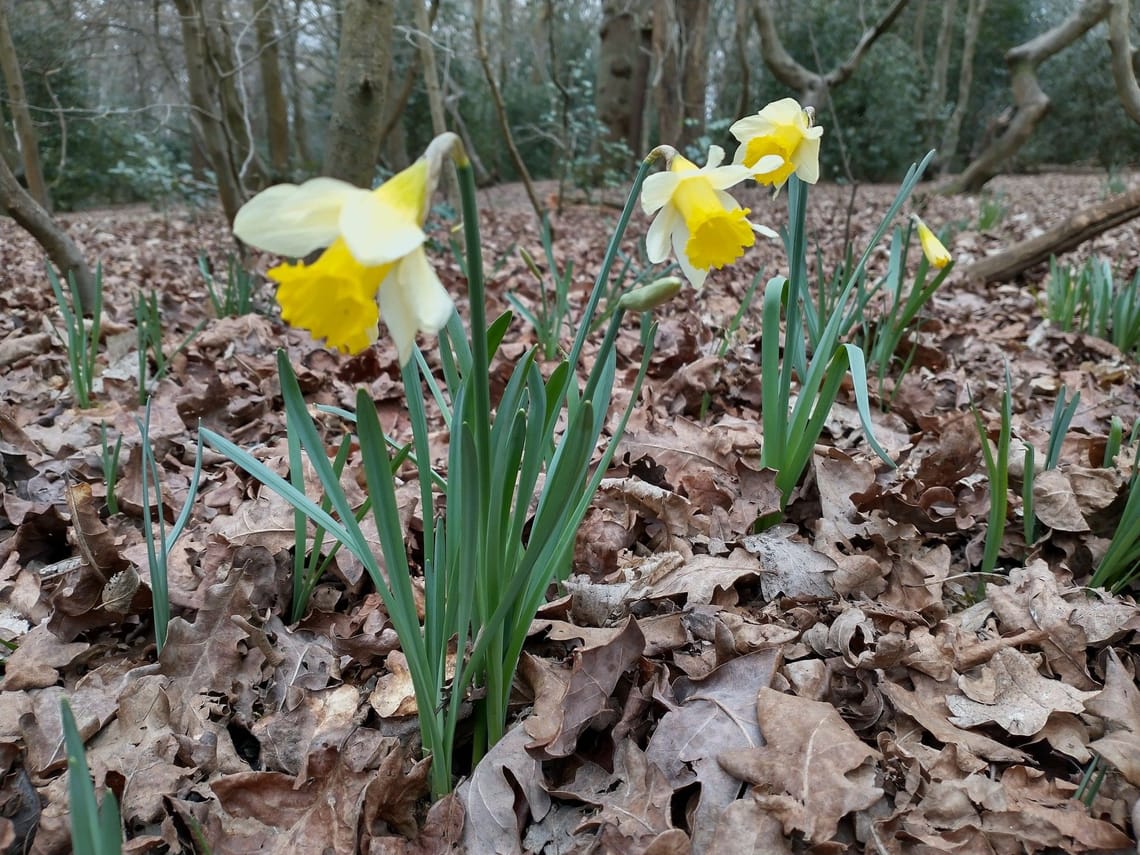
(Wild daffodils, Queens Wood – photo QW Facebook page)
Trees
Don’t forget to look up when you’re on your woodland walks! Of course flowers don’t only grow on the ground, but many trees support flowers early in the season – from blackthorn, to hawthorn, to fruit trees and more. They are a vital source of early pollen for insects.
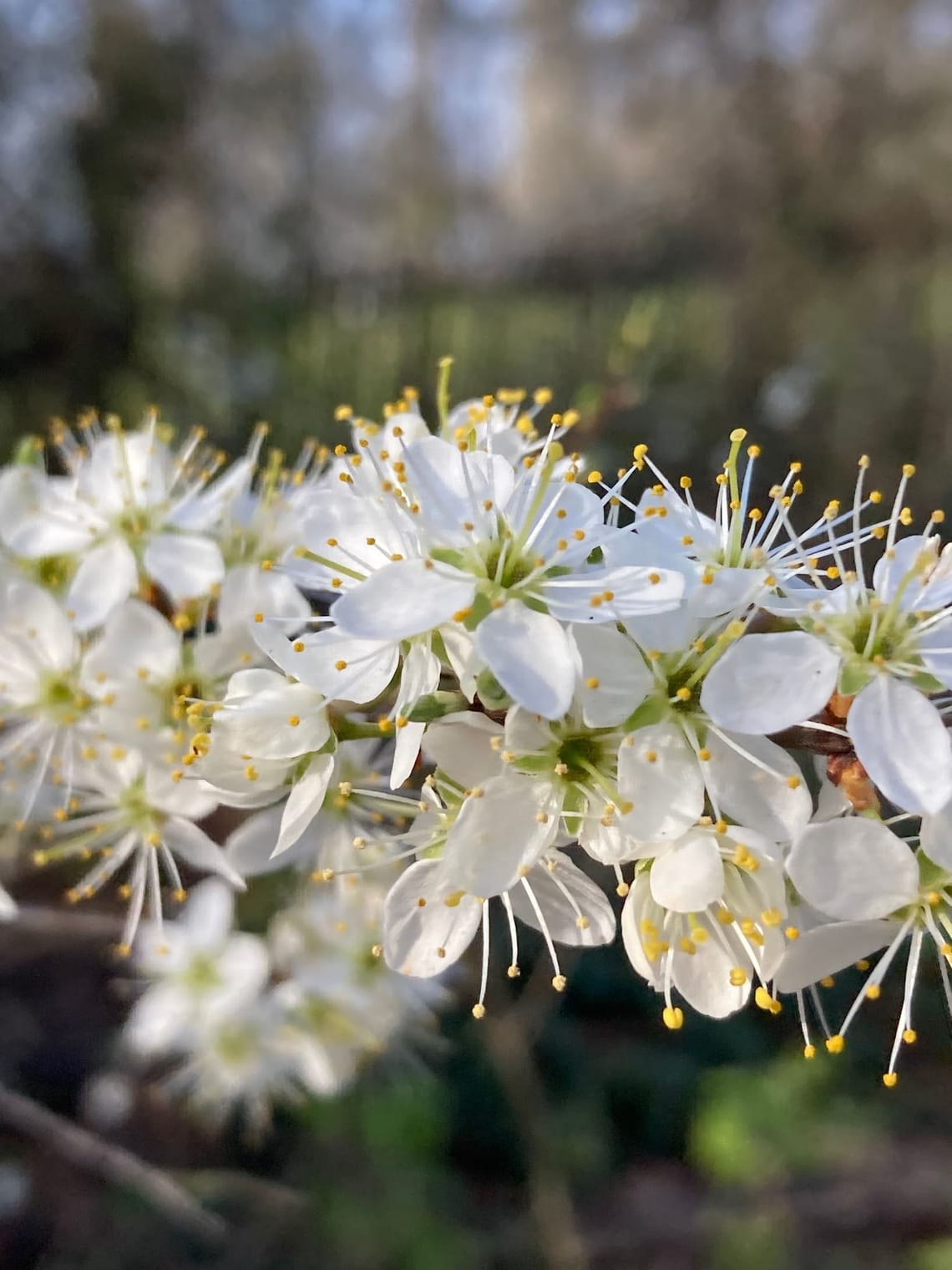
(Spring blossom - photo Bluebell Wood Facebook page)
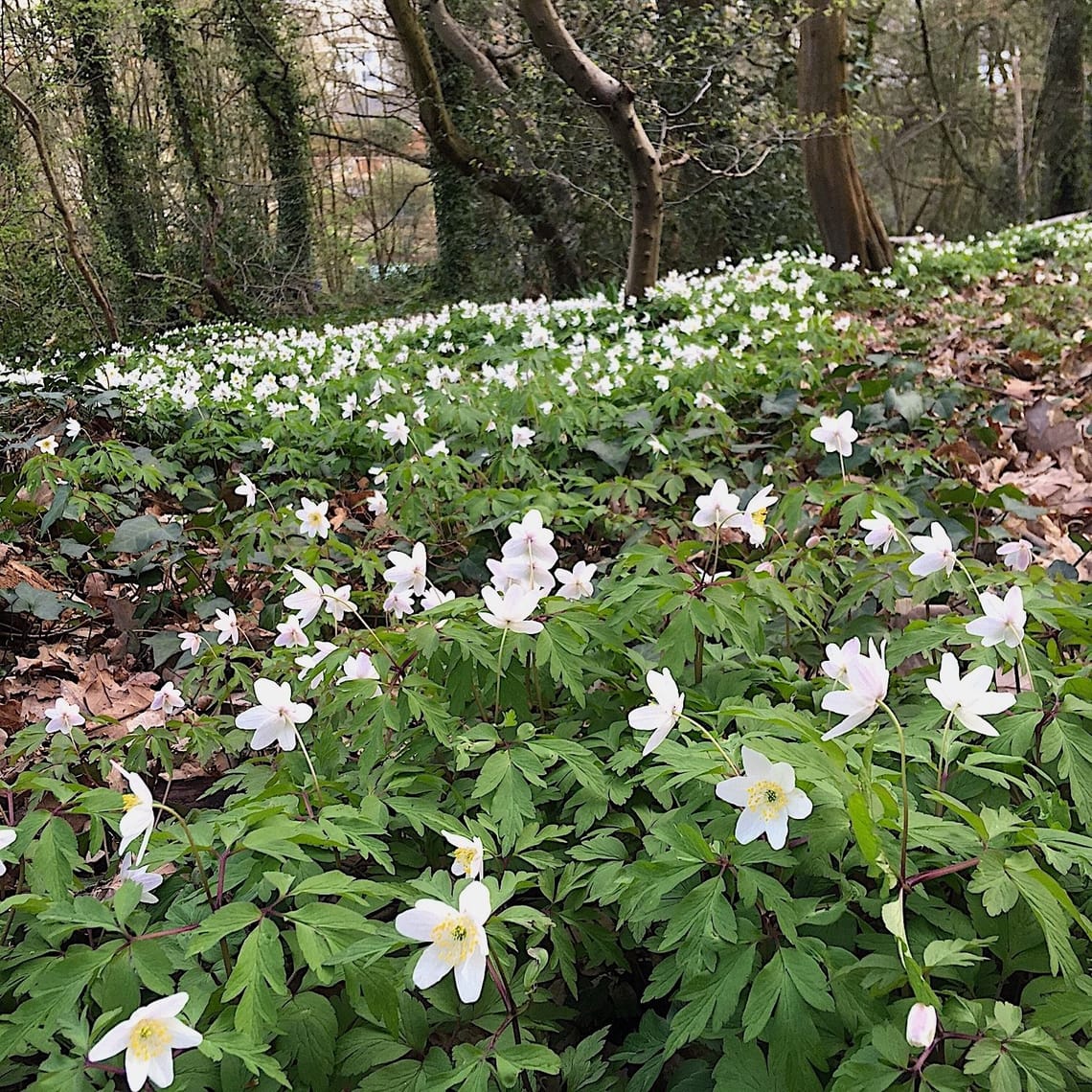
Wood anemone
This flower takes advantage of the woodland when the trees are still leafless and more light is hitting the ground. They are particularly fond of ancient woodland, as they are a slow growing species, spreading through underground rhizomes. Anemones are named after the Greek god Anemos, who sent the flowers ahead of him in spring.
Lesser celandine
These charming little yellow flowers really brighten up the woodland floor. Flowering from January – April, they are mentioned in The Lion, the Witch and the Wardrobe when Winter finally turned to Spring, and the ground was covered with lesser celandine flowers in all directions.
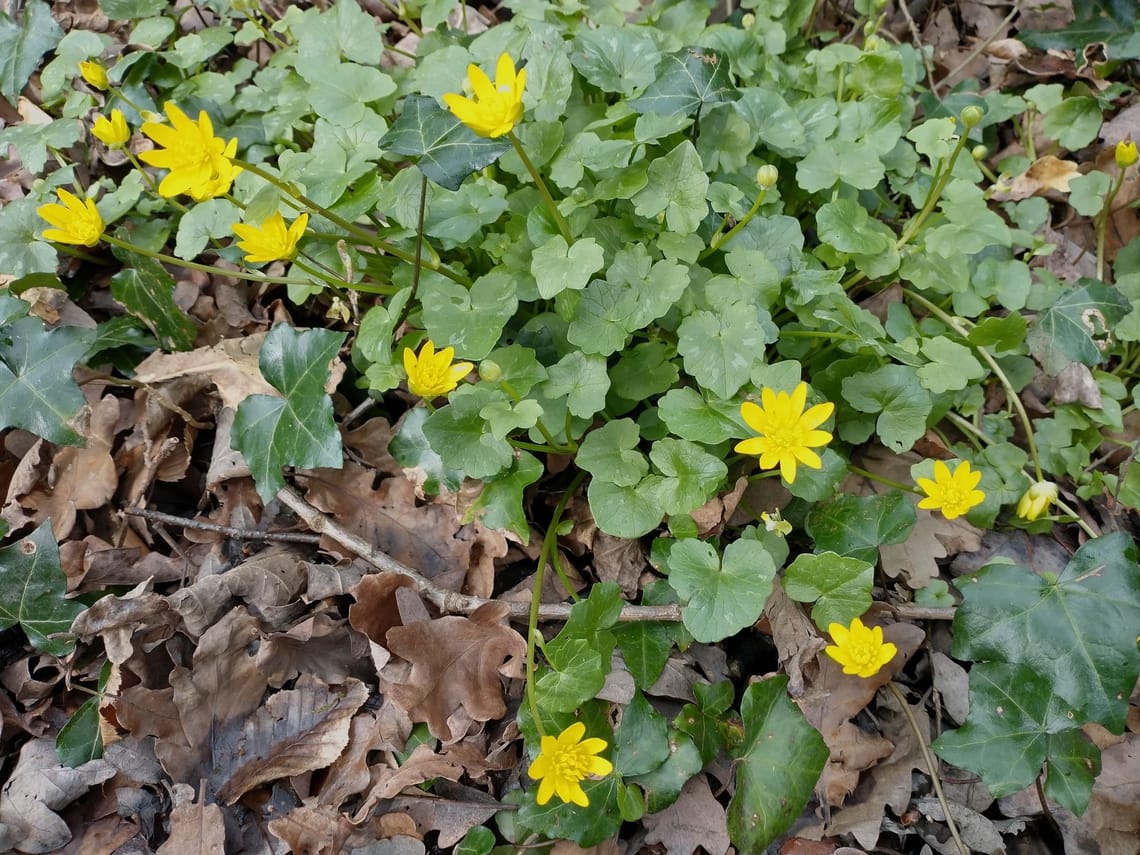
(Wood anemone, lesser celandine, photos Queens Wood Facebook page)
Bluebells
In a few months keep your eyes peeled for the lovely bluebells.
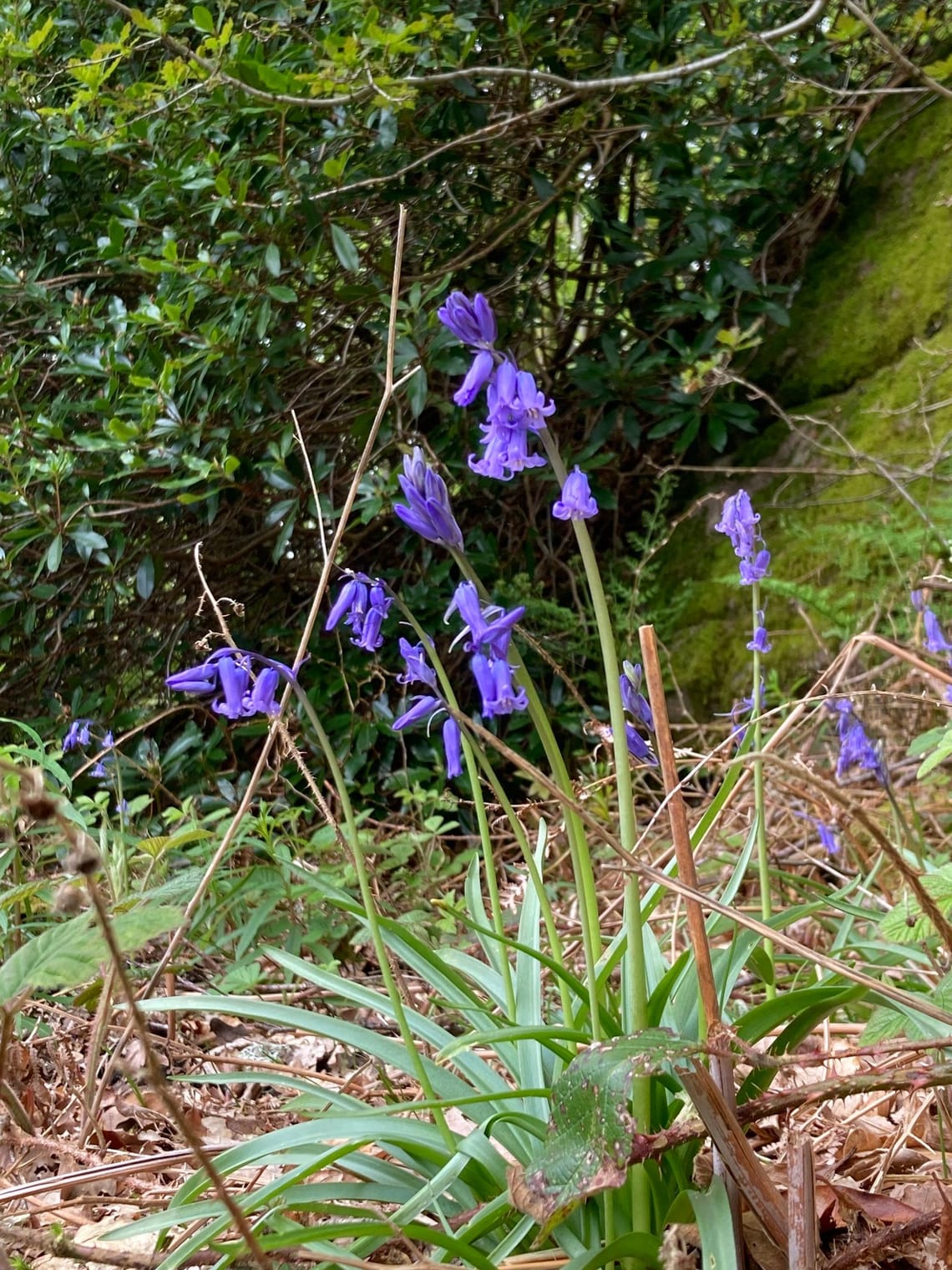
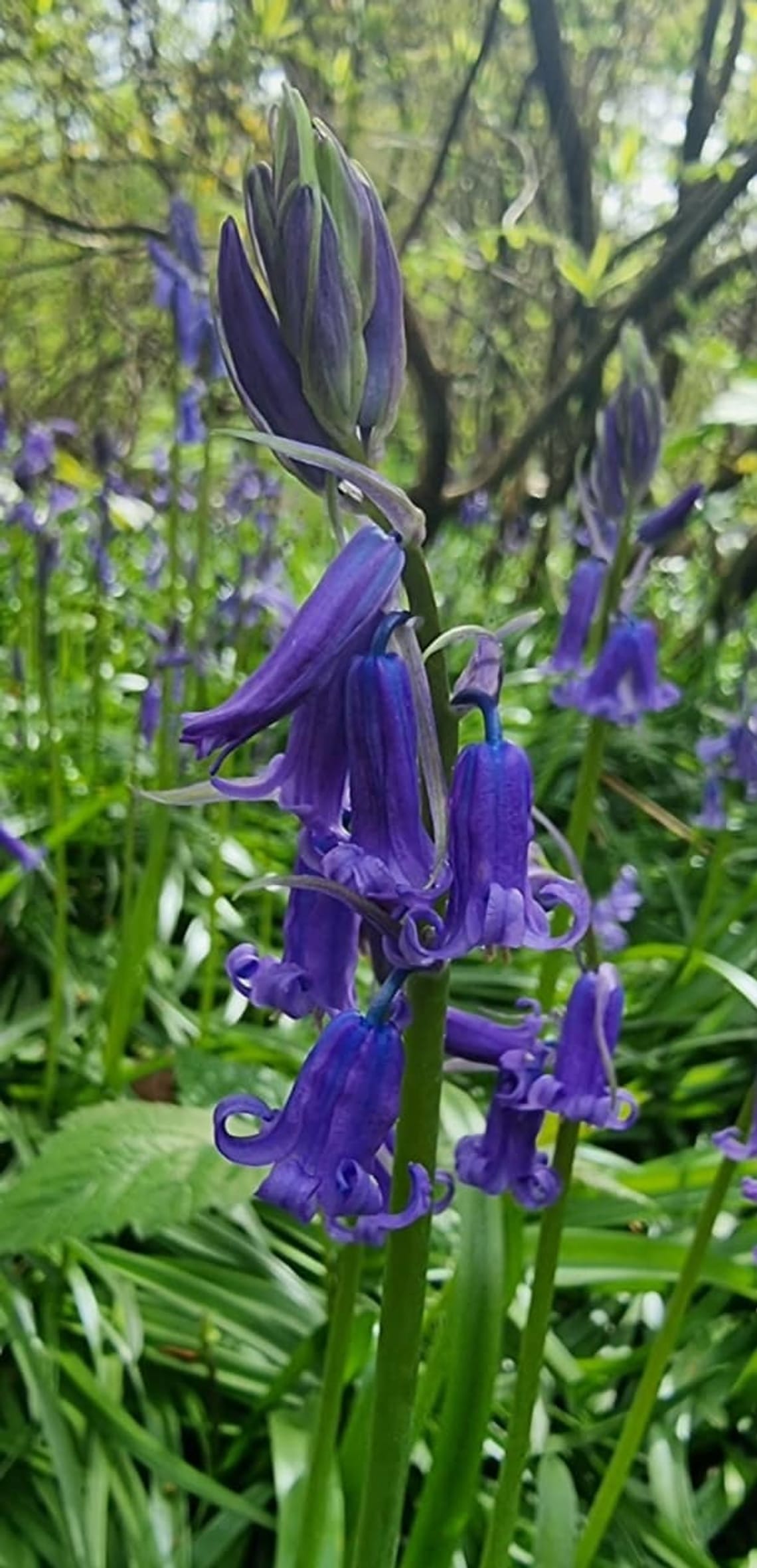
(Bluebells – Bluebell Wood Facebook page)
Protecting the woodland flowers
We can all play our part to protect wildflowers in our local woodlands. Sticking to the paths where they are laid out, and keeping clear of areas that have been fenced (or dead-hedged off). Also, some woodland management like coppicing (selectively clearing trees) can encourage more light, and more flowers to grow.
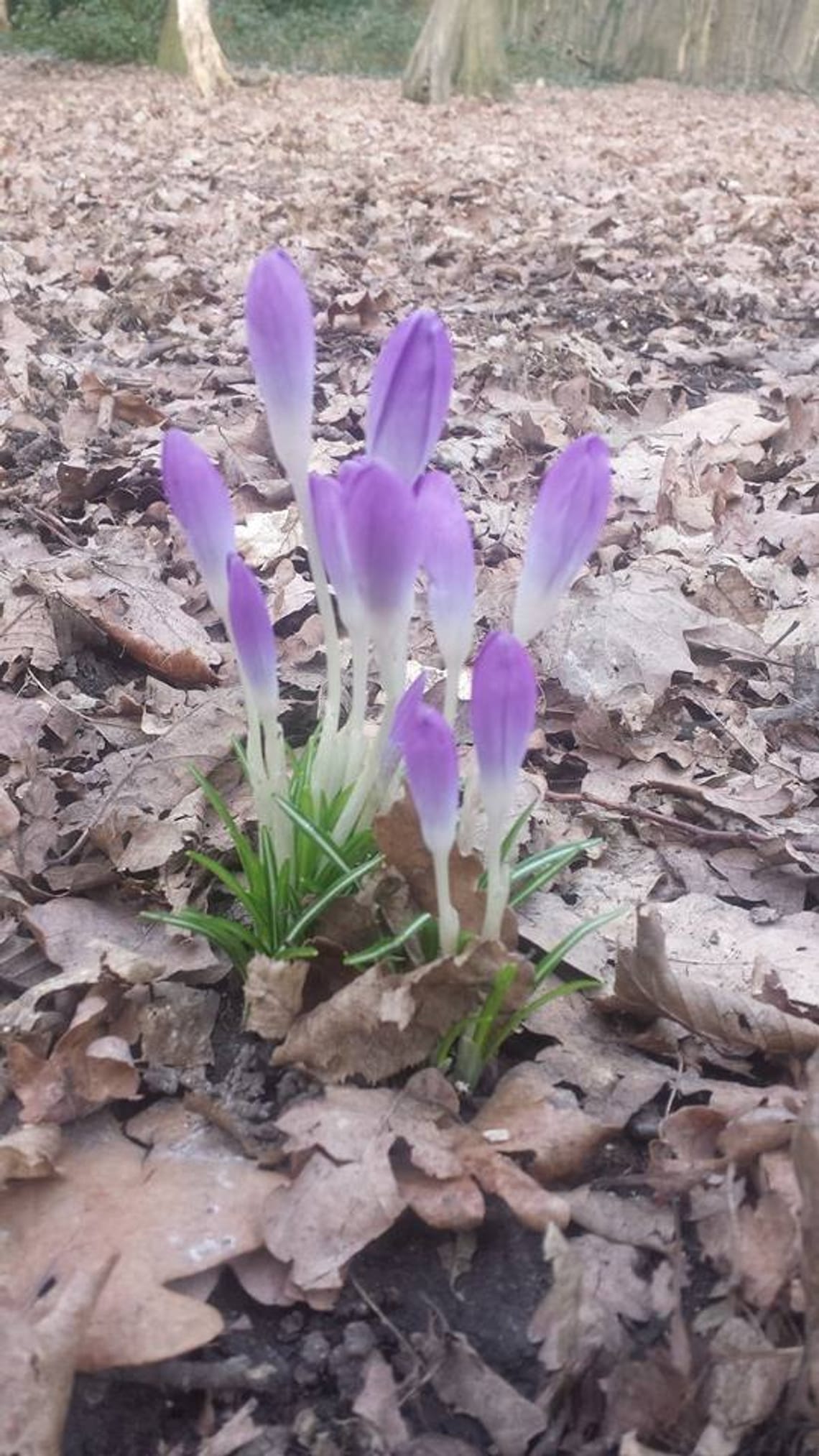
(Crocus – Coldfall Wood)
Volunteer Opportunities:
Friends Groups
- To learn more about volunteering with local Friends groups please see links below:
- Queens Wood https://www.fqw.org.uk/
- Coldfall Wood & Muswell Hill Playing Fields https://coldfallwoods.co.uk/
- Bluebell Wood https://www.facebook.com/groups/1825592147621133
The Conservation Volunteers (TCV)
- Looking for volunteer opportunities in Haringey, including the ancient woodlands? Join TCV Haringey: https://www.tcv.org.uk/london/haringey/
Stay Informed
Follow our projects to get notified of upcoming engagements and the latest project related news.