
Ancient Woodland Wildflowers
Ancient Woodland Wildflowers For many of us this last month has felt like rain, rain and more rain! If paths become too muddy they may need to be closed off, so do keep an eye out for signa
Haringey’s Ancient Woodlands
Ancient Woodland Wildflowers
For many of us this last month has felt like rain, rain and more rain! If paths become too muddy they may need to be closed off, so do keep an eye out for signage and other updates to stay safe and look after these spaces.
Nonetheless, we hope you enjoy a bright bit of information about flowers in the ancient woodlands...
Soils in the ancient woodlands are very important, and can support certain plants better than younger woods. In Haringey’s ancient woodlands, despite the pressures of being in a busy city, work to create areas protected from footfall has given wild plants a chance to grow. Winter and early spring are when they are in flower, as they spring up before the trees get all their leaves, and the woods become more shaded.
Winter: Floral Signs in the Cold Months
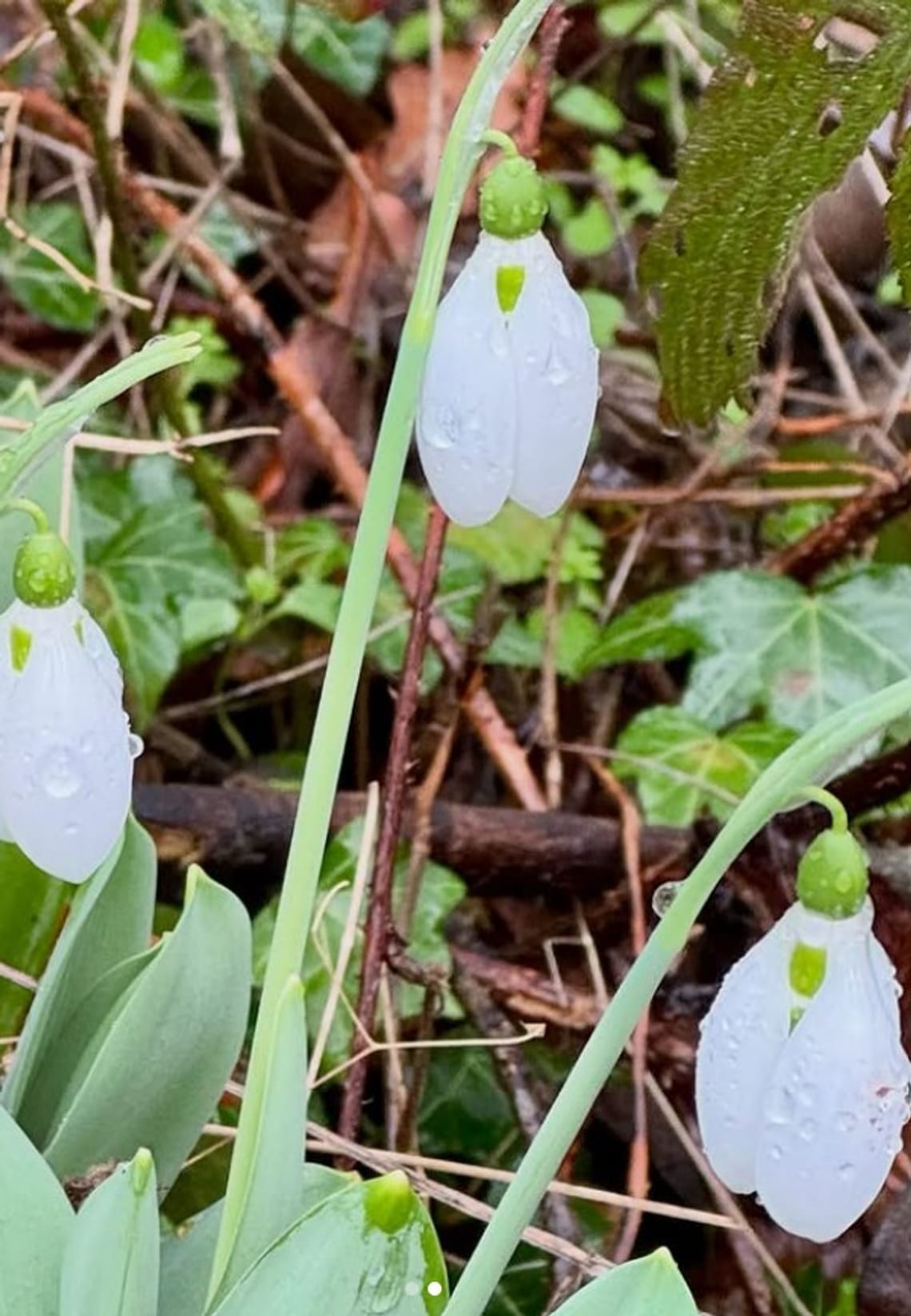
(Snowdrops in Coldfall Wood. Photo credit: Friends of Coldfall Wood).
Plants to spot:
Snowdrops
Crocus
Wild daffodils
Even in Winter, some colour can still be seen: snowdrops, crocus, and wild daffodils are all small bursts of colour on the woodland floor.
Spring: A Burst of Woodland Specialists
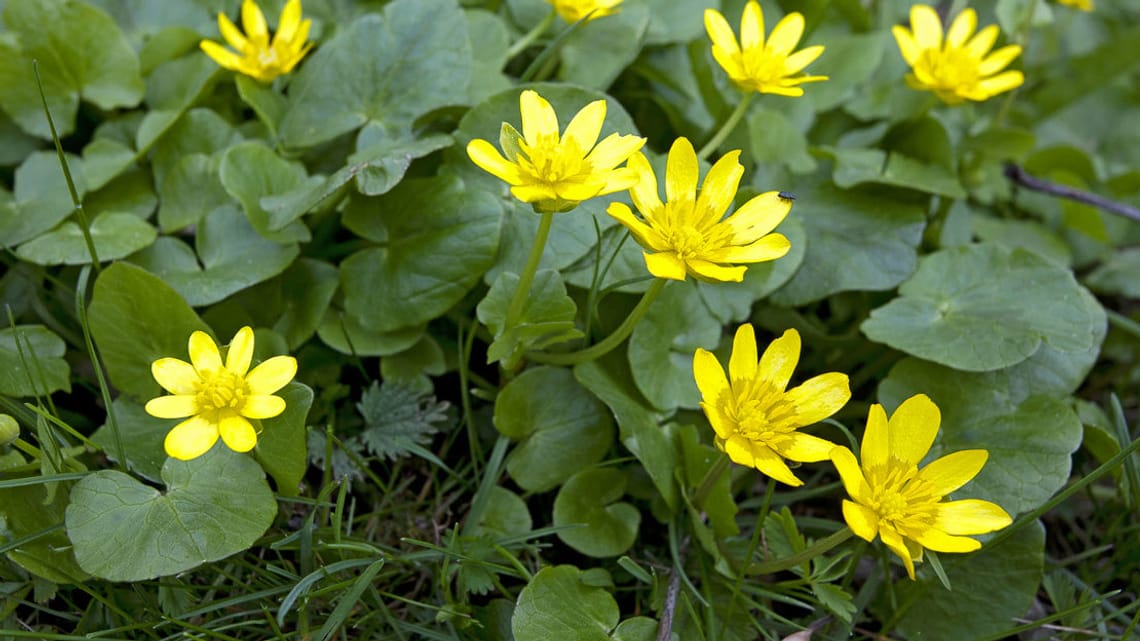
(Lesser celandine. Photo credit: Woodland Trust).
Plants to spot:
Bluebells
Wood anemone
Lesser celandine
Soon in Spring, we can look forward to purple carpets of Bluebells in April and May. They do well in ancient woodland, as they spread slowly and favour undisturbed soils. Wood anemone, with its delicate white flowers, is another plant that spreads slowly as its rhizomes (root-like structures) creep only a few centimetres per year. Lesser celandine are another flower that grow while there is still some light on the woodland floor.
Coppicing & Encouraging Flower Growth
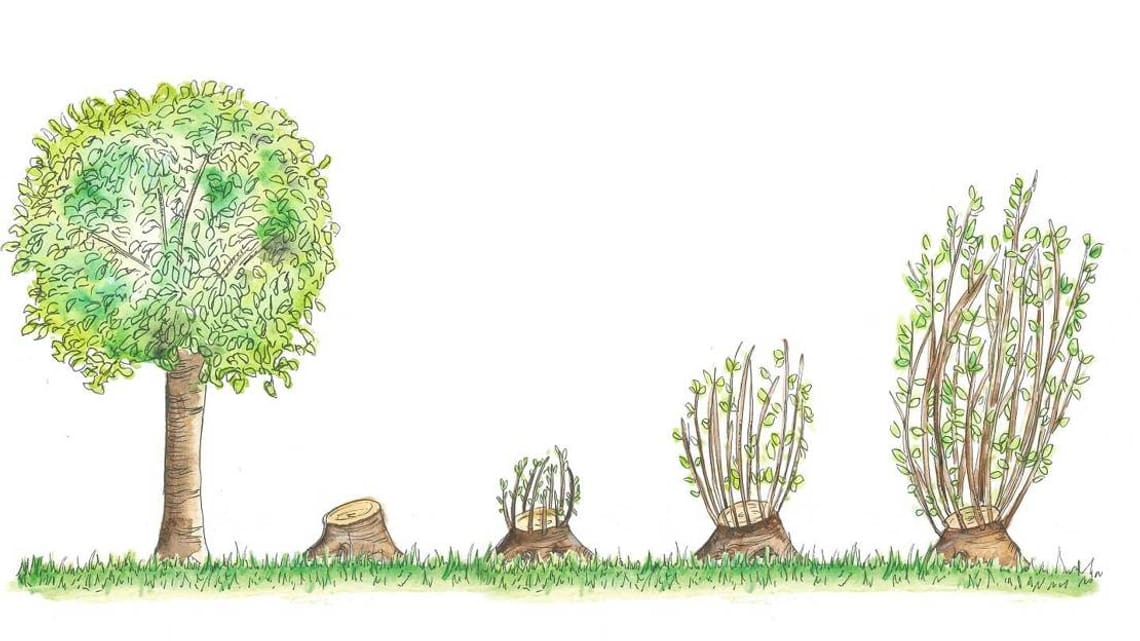
(Coppicing stages. Photo credit: Emma Jolly, Woodland Trust).
Coppicing is a management technique where trees are cut near to ground level to stimulate regrowth. Humans have been doing this for thousands of years to collect wood for cooking, heating, charcoal and fence-making.
It declined during the industrial revolution, when wood was replaced by coal for fuel. However, today coppicing is being revived as an important conservation technique. By creating a changing pattern of open, lightly-shaded, and fully-shaded areas, this mimics natural disturbance that create different micro habitats.
In newly cut sections: sunlight floods the woodland floor, encouraging species such as bluebells, violets, and wood anemones to flourish.
As regrowth thickens: some of the more shade‑tolerant plants might move in.
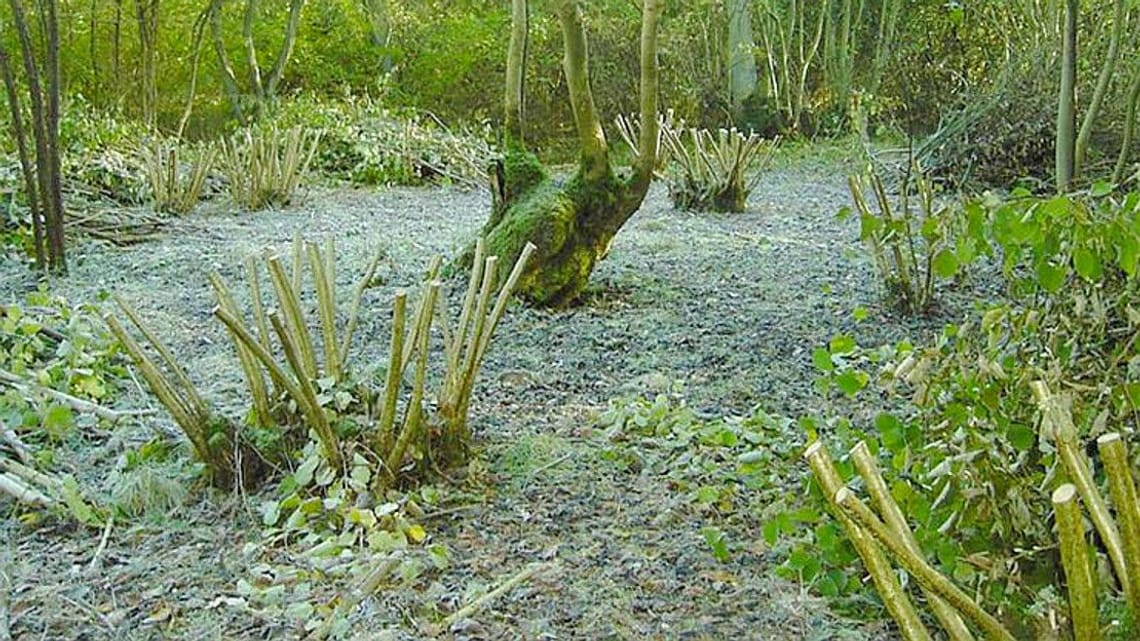
(A freshy coppiced area. Photo credit: Woodland Trust).
By coppicing areas in different phases, this ensures a mixture of habitats, each at a different stage of regrowth, supporting a wider range of species than a woodland where the trees are all simply left to grow.
Without coppicing, many woodland flowers would decline as the tree canopy becomes too dark and shaded for them grow. Coppicing is a traditional method that allows flowers within ancient woodlands to thrive.
Want to stay in the loop about events in 2026?
Find out More re Volunteering & Events:
The Conservation Volunteers (TCV)
Looking for volunteer opportunities in Haringey, including the ancient woodlands? Join a TCV activity day:
Events posted via Website
Social media: Facebook, Instagram, Bluesky, North London Eventbrite, Paddock Eventbrite
Friends Groups
To learn more about volunteering with local Friends groups please see links below:
Queen’s Wood:
Website: https://www.fqw.org.uk/
Social media: Facebook,
Email: info@fqw.org.uk
Events posted on webpage here
Coldfall Wood & Muswell Hill Playing Fields:
Website: https://coldfallwoods.co.uk/
Social media: Facebook, Instagram,
Email: info@coldfallwoods.co.uk to sign up to mailing list
Events posted on Ticketsource
Bluebell Wood:
Social media: Facebook,
Events posted on Ticketsource
Stay Informed
Follow our projects to get notified of upcoming engagements and the latest project related news.