
Oak Processionary Moth Season & Spotlight on a Project at O.R. Tambo:
What are they? The oak processionary moth is a pest of oak trees. The caterpillars can cause defoliation (loss of leaves) to oak trees and they pose health risks to humans and animals due to their cat
Haringey’s Ancient Woodlands
What are they?
The oak processionary moth is a pest of oak trees. The caterpillars can cause defoliation (loss of leaves) to oak trees and they pose health risks to humans and animals due to their caterpillars’ venomous hairs.
Caterpillars emerging
A reminder that we are now heading into Oak Processionary Moth (OPM) season. Between April and July is when they are in their caterpillar life-stage. If you’re out and about and see a caterpillar or nest be sure not to touch, or allow pets to touch these.
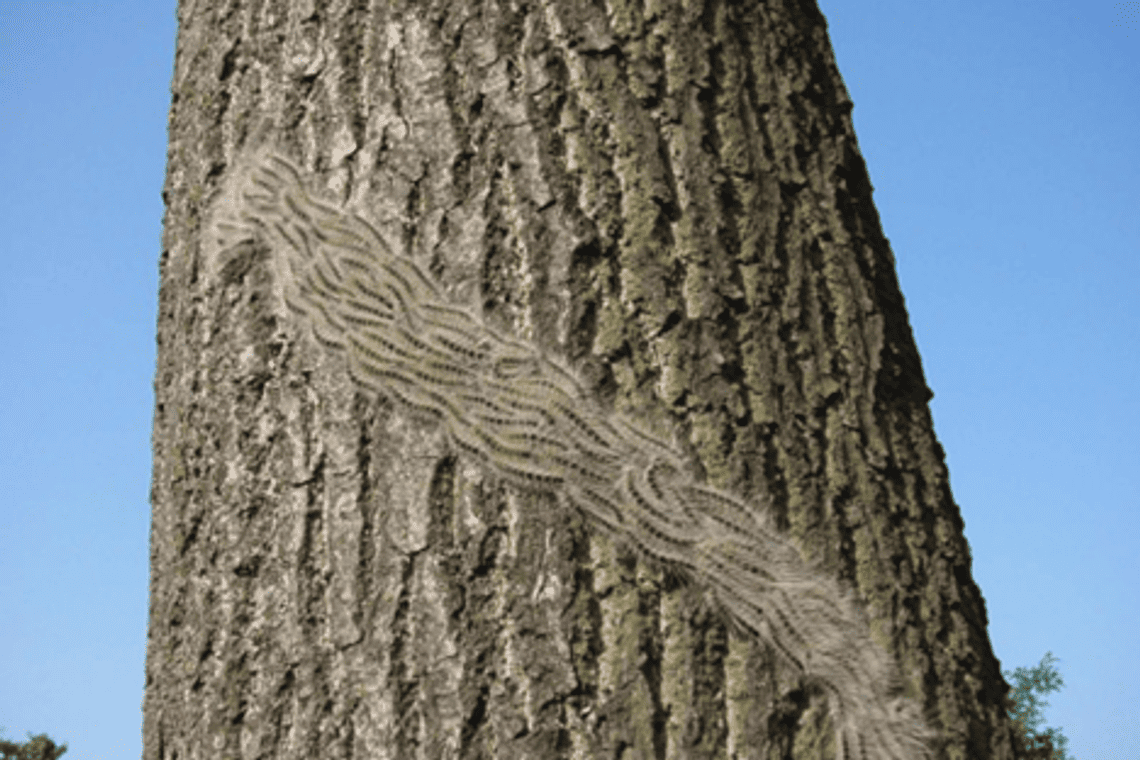
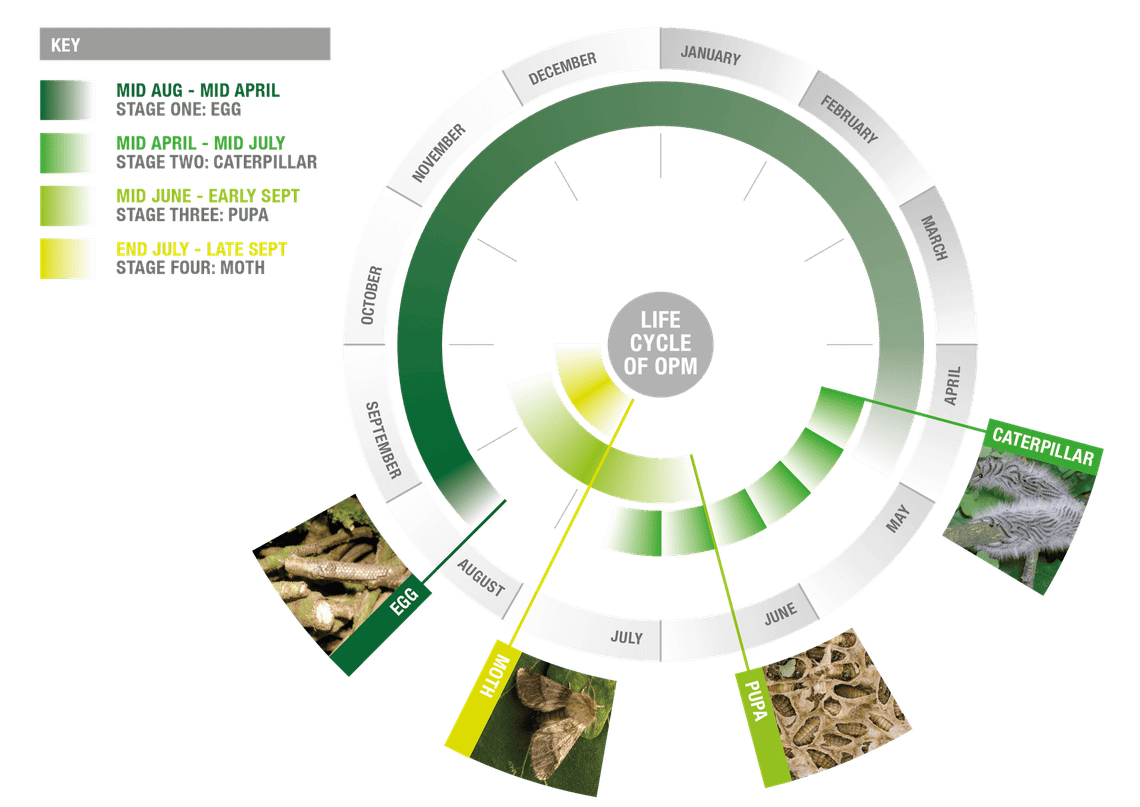
(Photo credit: woodland trust website).
Signage
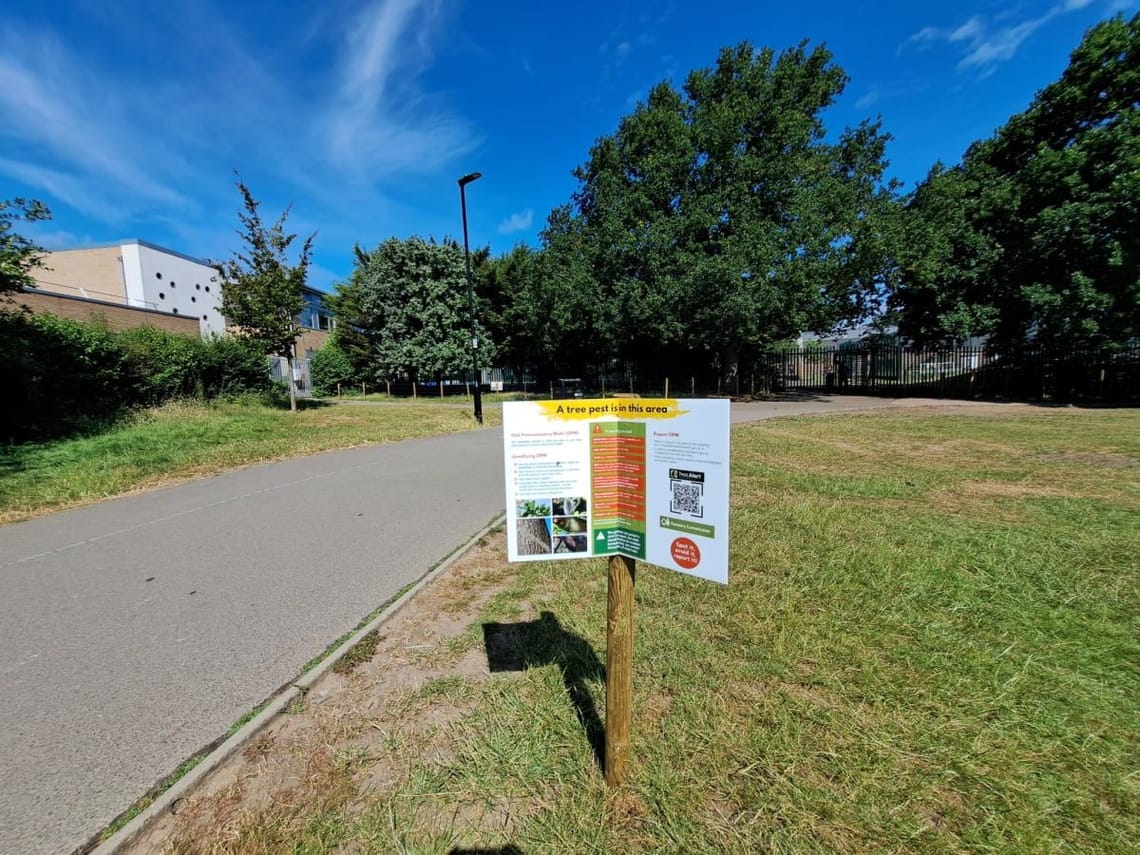
Keep an eye out for OPM signage and information going out in Haringey!
How to report
If you find a suspected nest or caterpillars, please report it immediately via TreeAlert:
https://www.forestresearch.gov.uk/tools-and-resources/fthr/tree-alert/
Learn more about OPM
Find out more about OPM and access resources including leaflets and posters here: Oak processionary moth (Thaumetopoea processionea) - Forest Research
Spotlight on Another Project: O.R. Tambo!
For the past couple of years Haringey Council has been working on an oak processionary moth pilot project at O.R. Tambo, at the same time the team at Alexandra Palace have been running a similar project, with support from the Forestry Commission.
The project is looking at nature-based solutions to OPM and has included creating fenced off conservation areas, sowing wildflowers and attracting predators of the caterpillars. This includes the carcelia fly parasites the OPM caterpillars, and small birds such as great and blue tits eat them.
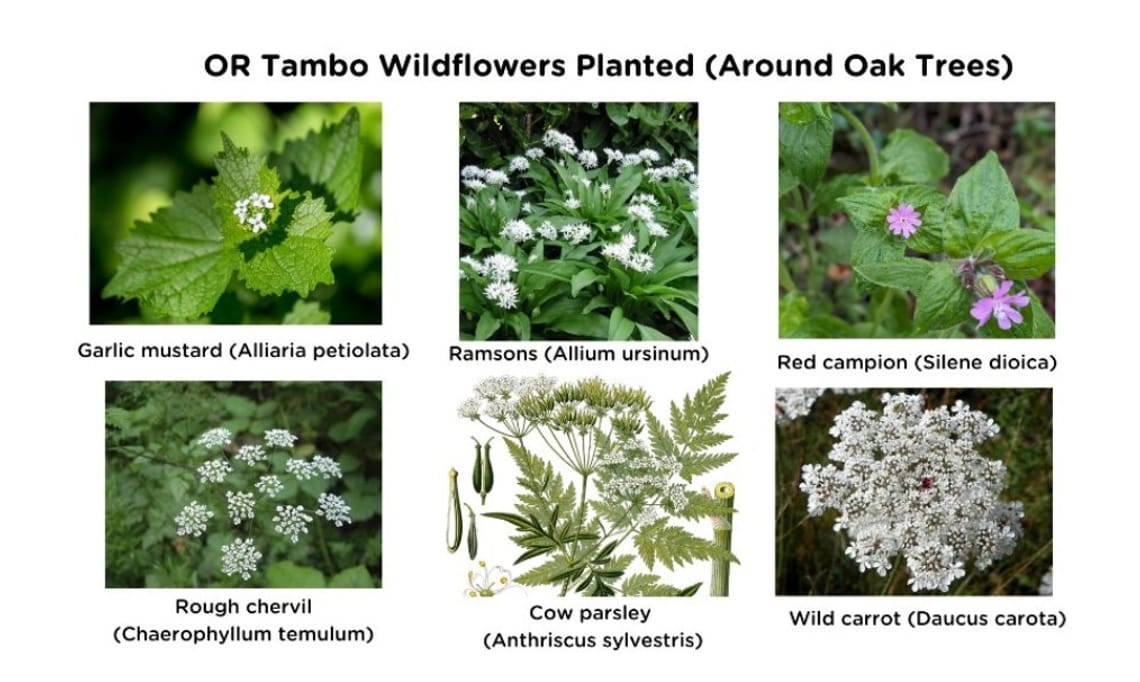
We planted a wildlife-friendly mix of:
- Garlic mustard
- Ramsons
- Red campion
- Rough chervil
- Cow parsley
- Wild carrot
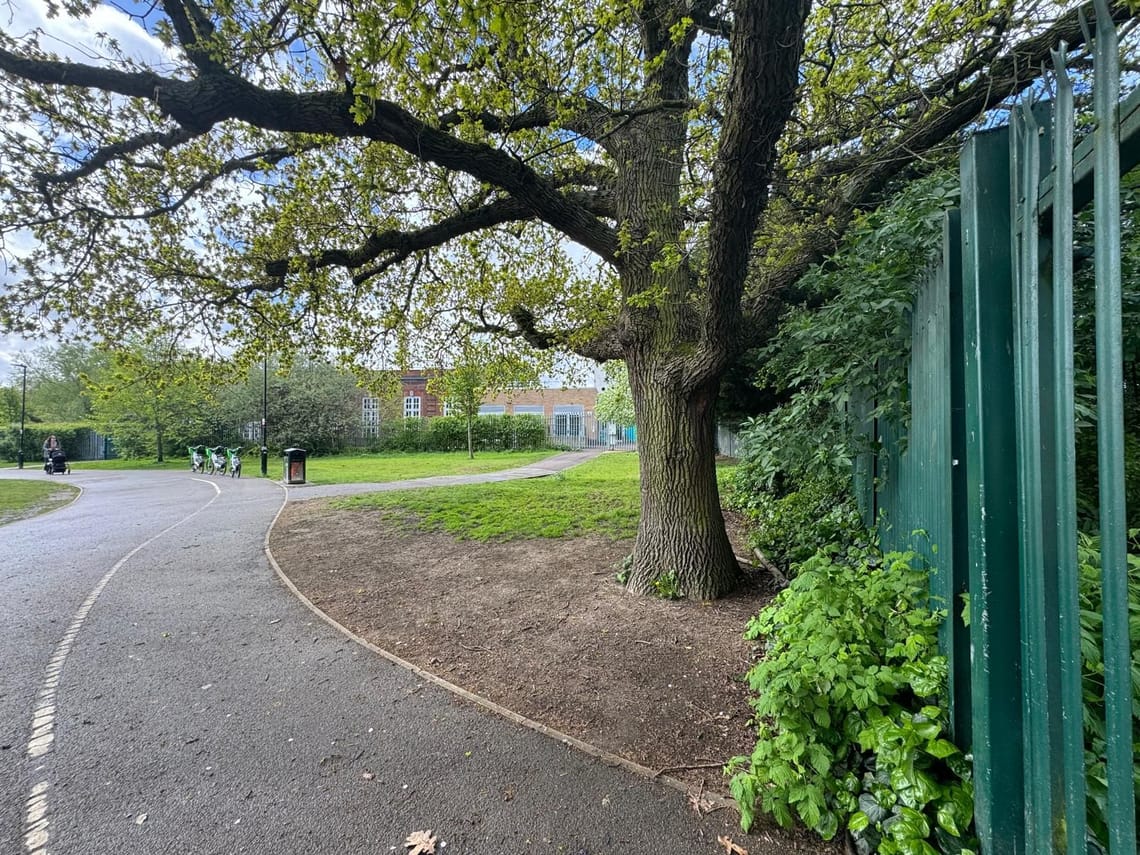
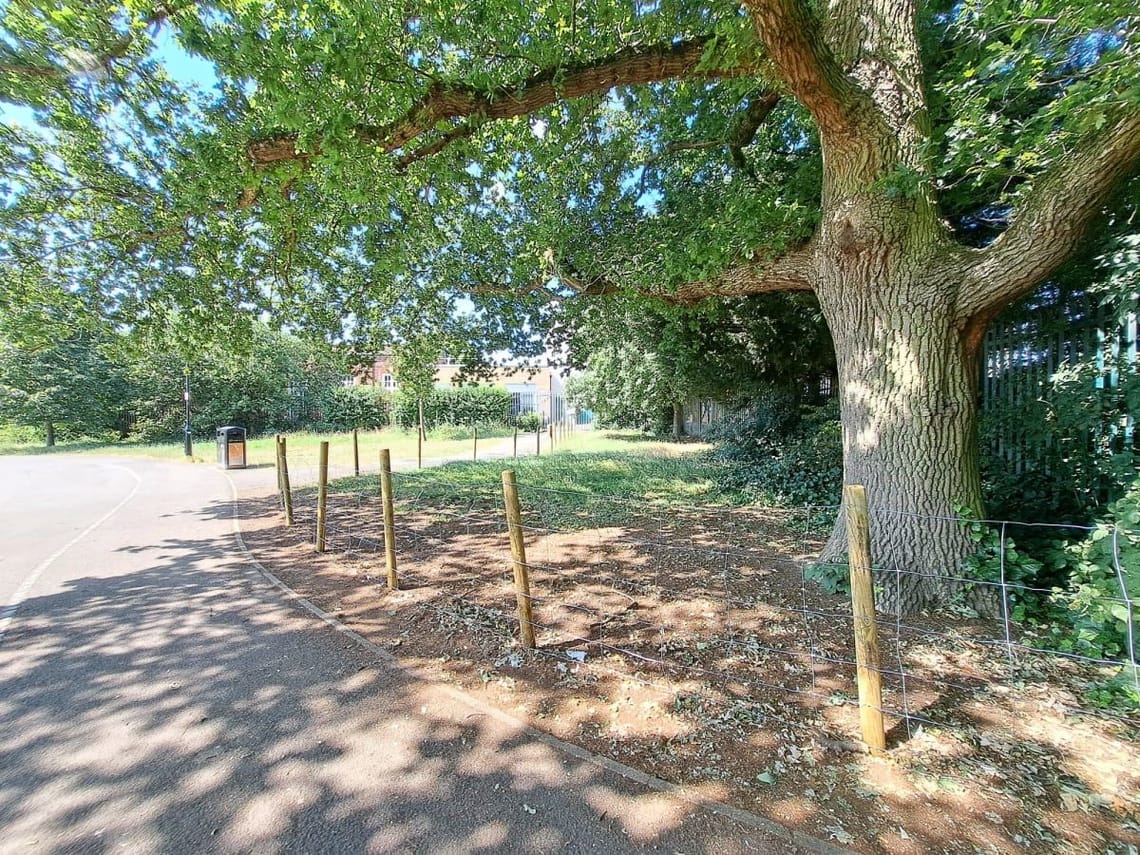
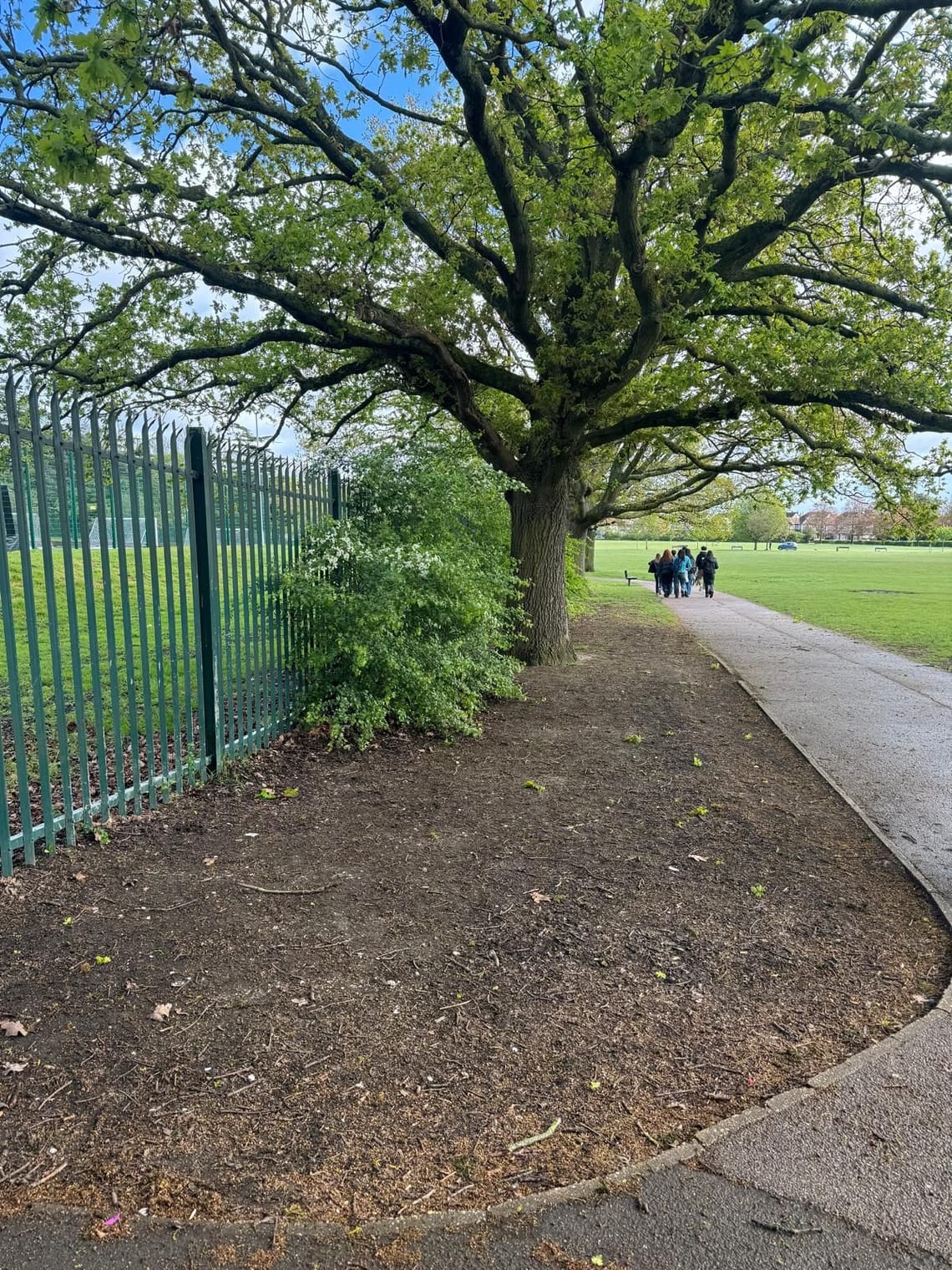
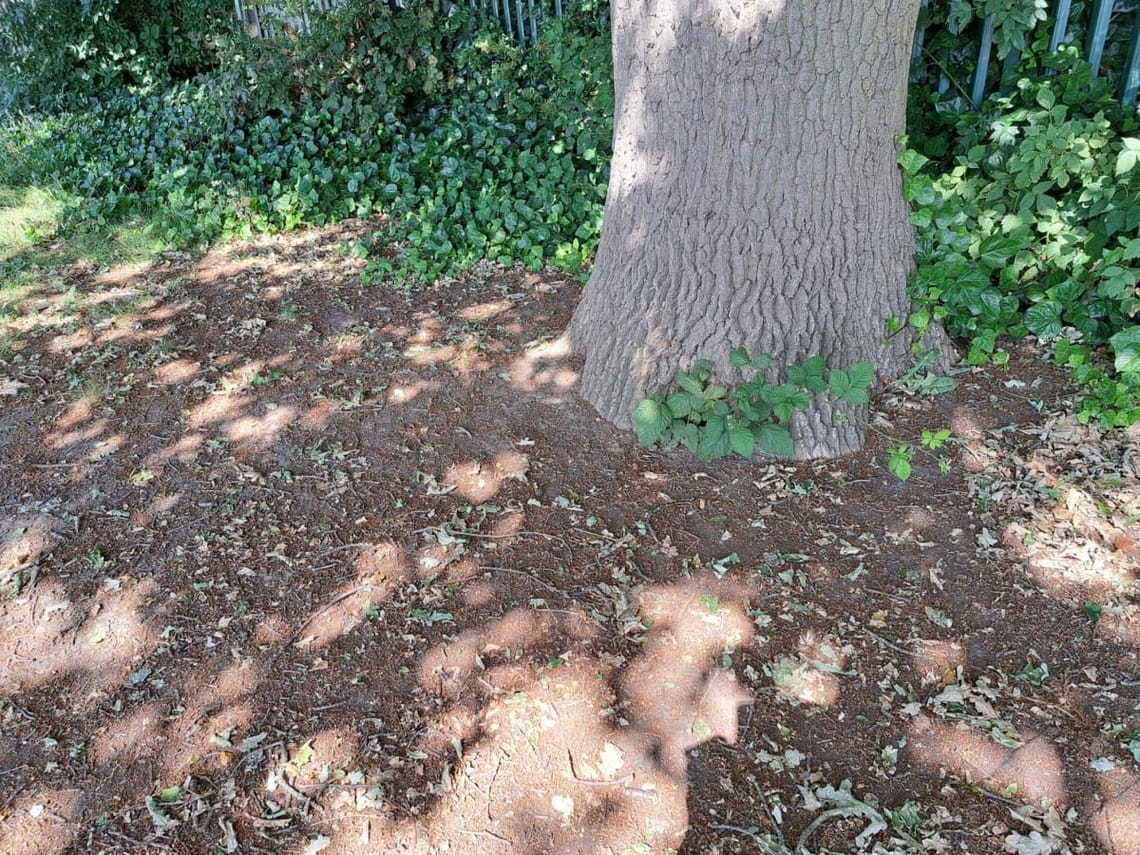
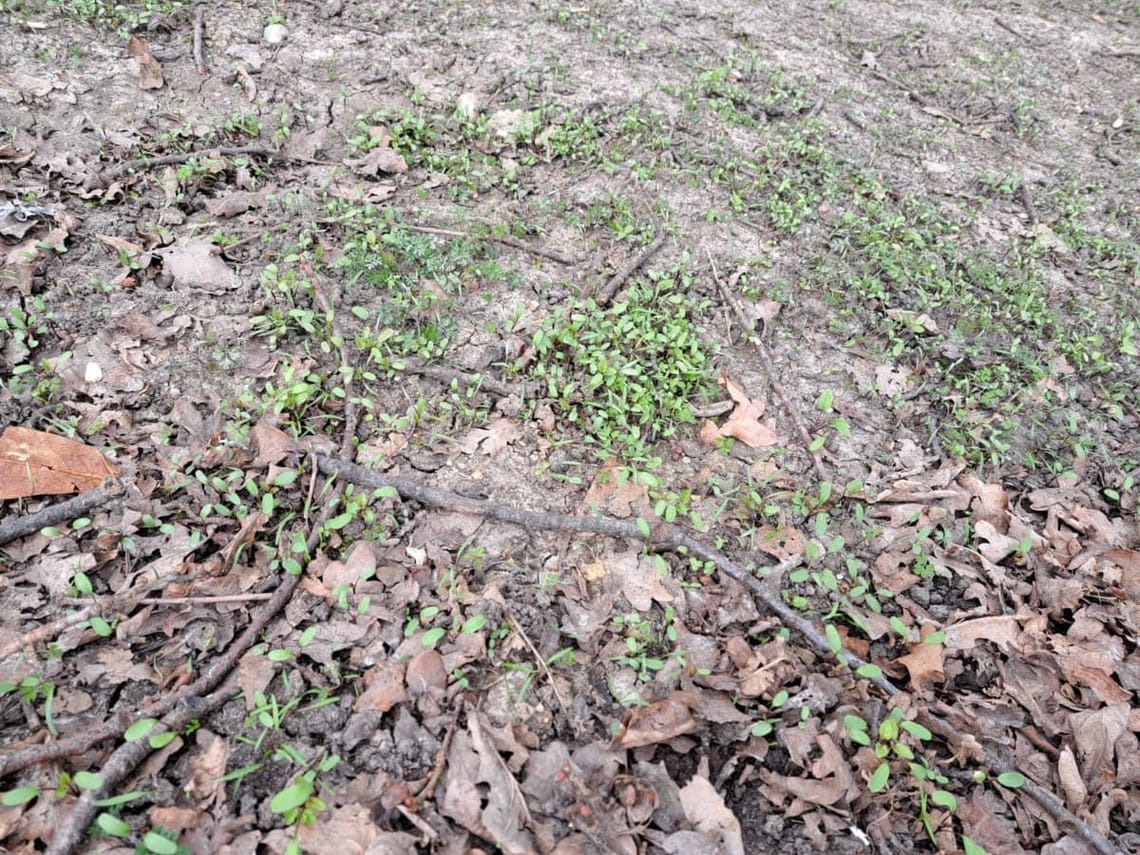
The conservation areas have been monitored through fixed point photography and taking target notes of any changes observed. Through the fencing we have noticed: less compaction around oak trees, increased leaf litter, and greater plant diversity.
Conservation Fencing – before and after:
Before
After
Before
After
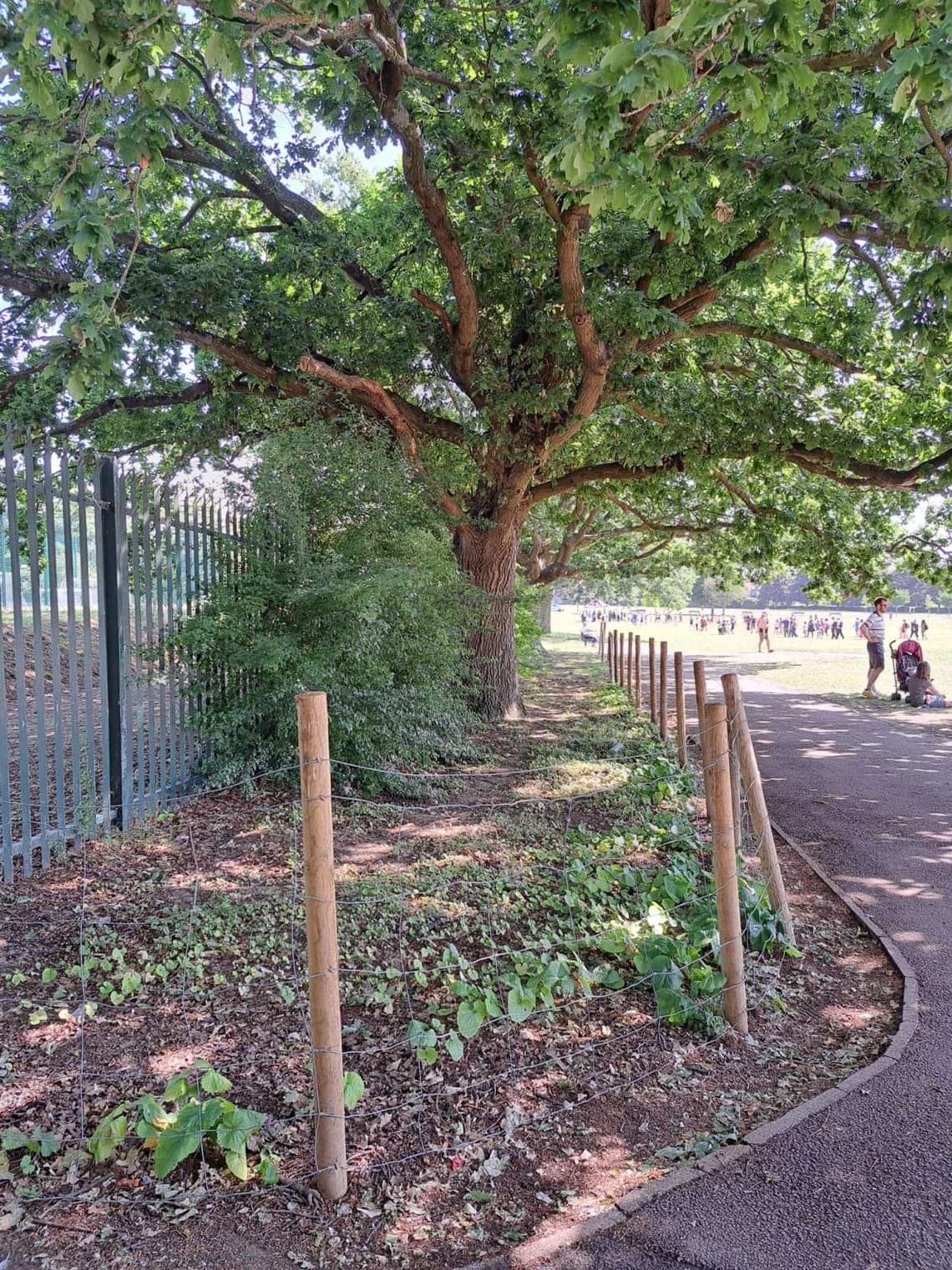
(Above: from compacted bear ground to increased leaf-litter, and a clear increase in vegetation too).
Signs of rejuvenation:
Soil compaction is a major threat to tree health, it restricts root growth, limits oxygen availability, and possibly lead to the death of trees.
It is therefore great to see the efforts from the conservation lessening the impacts of compaction, and early signs of rejuvenation.
Leaf litter building up:
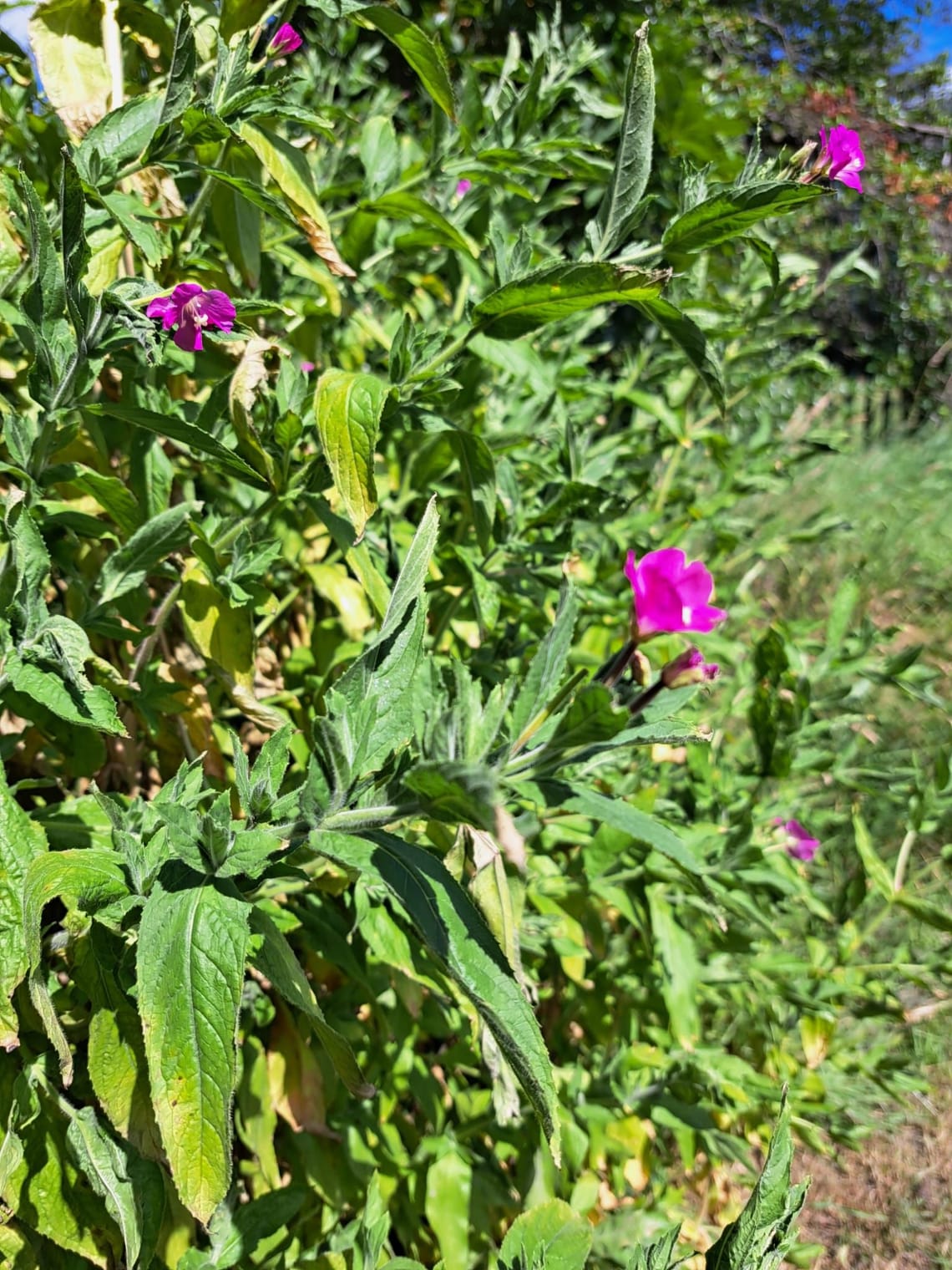
New plants spotted:
Want to stay in the loop about events in 2026?
Find out More re Volunteering & Events:
The Conservation Volunteers (TCV)
- Looking for volunteer opportunities in Haringey, including the ancient woodlands? Join a TCV activity day:
- Events posted viaWebsite
- Social media:Facebook,Instagram,Bluesky,North London Eventbrite,Paddock Eventbrite
Friends Groups
To learn more about volunteering with local Friends groups please see links below:
Queen’s Wood:
- Website:https://www.fqw.org.uk/
- Social media:Facebook,
- Email:info@fqw.org.uk
- Events posted on webpagehere
Coldfall Wood & Muswell Hill Playing Fields:
- Website:https://coldfallwoods.co.uk/
- Social media:Facebook,Instagram,
- Email:info@coldfallwoods.co.ukto sign up to mailing list
- Events posted onTicketsource
Bluebell Wood:
- Social media:Facebook,
- Events posted onTicketsource
Stay Informed
Follow our projects to get notified of upcoming engagements and the latest project related news.