Parks offer an escapism from the bustle of urban living. They allow us breathing space in the city and an opportunity to relax in a slower-paced, quieter green environment.
The health benefits of spending time outdoors and amongst a natural environment are widely documented. Being active outdoors is scientifically known to increase life expectancy, reducing avoidable medical conditions such as obesity and Type 2 diabetes. Just having a view over a green space can reduce stress levels. Parks have offered a place to meet loved ones in the open air and provide much needed social connection.
The public feedback reiterated the need for quieter contemplative spaces in our parks, space to gather our thoughts and connect with nature.
Here are our recommendations:
The first London parks were designed as a response to a public health crisis. How can our parks be re-imagined to deliver on their original purpose?
- Contemplative spaces are invaluable for people’s mental well-being. Consider blocking unsightly views and buffering traffic noise to create a sense of calm and urban escapism.
- Consider more covered areas to allow the park to be used in all weathers. These could be used for anything from exercise classes to simply a dry - or in summer, well-shaded - space for children to run around.
- The design of future parks must cater to social distancing. Movable or individual seating and flexible use areas should be considered.
- More toilet facilities in parks would be a welcome addition for many.
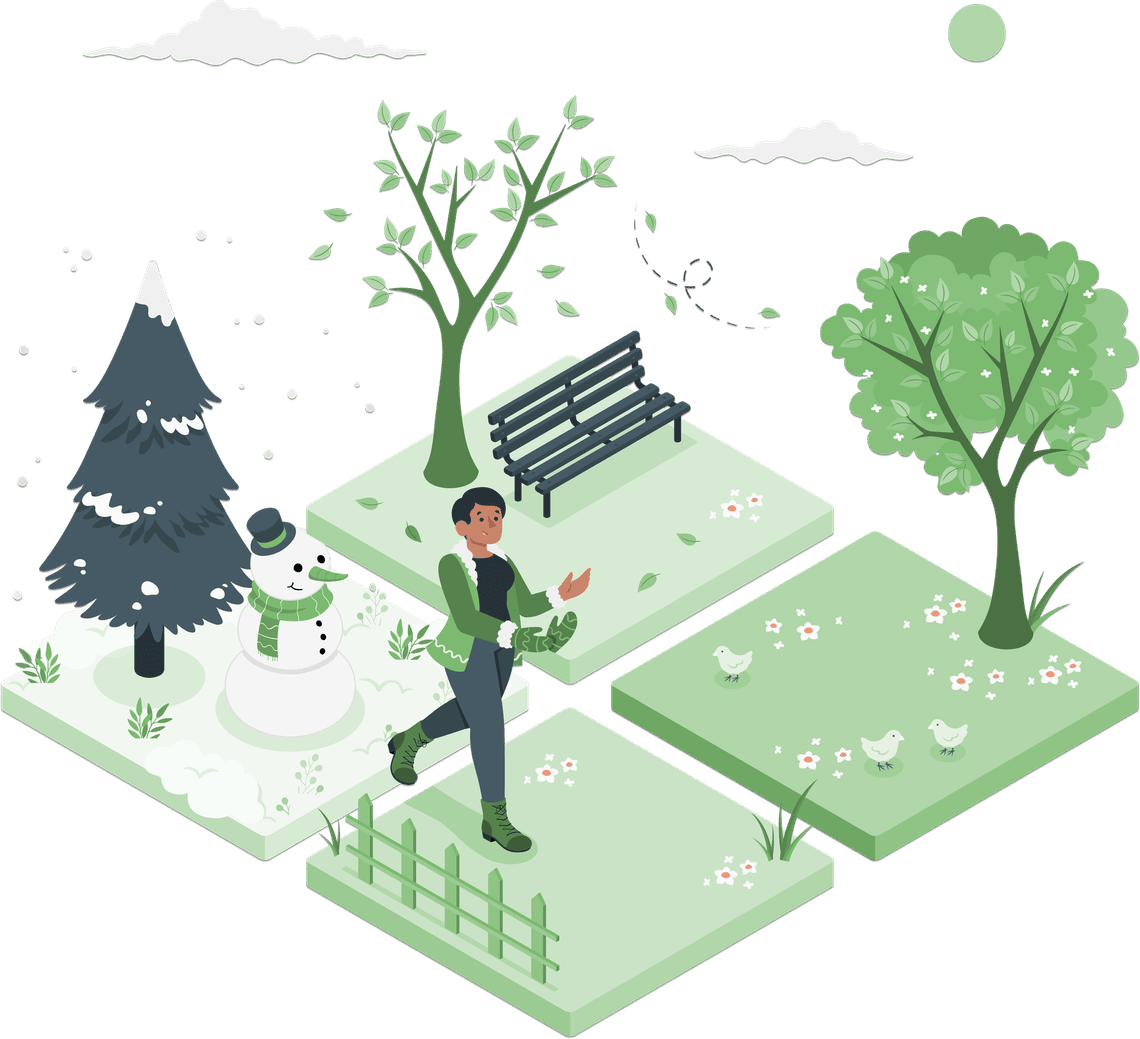
Ecosystem services
"Ecosystem services" is a nature-based solution that improves the well-being of city dwellers. It describes the degree to which a park or green space contributes to ecosystem services. Consideration of "Ecosystem services" should be integral in the planning of our all our open spaces to ensure they are as hard-working as they can be.
Designing a park to the parameters of how much it can give back, increases the benefits to people, the environment and wildlife. Parks can create healthier, cleaner cities through carbon sequestration; microclimate regulation; and wind and noise reduction - aiding social and psychological wellbeing.
Trees are the best technology nature has for locking away carbon, and they are centres of biodiversity
- Plant more trees. Trees make our cities cooler, reducing urban heat islands and make our air cleaner by sequestering CO2. Exposure to trees can even boost the immune system, lower blood pressure and even increase energy levels to name a few. We need more trees in the future of our parks and in the city.
- Key streets between parks could be tree-lined, capturing particulates and creating more pleasant green networks for people to walk.
- Species that are flowering or fruiting also increase nature in our cities by being a food source for wildlife. Birds and insects in turn pollinate and spread seeds crucial for the reproduction of plants.
- Consider sustainable urban drainage in parks. Rain gardens and swales (features designed to store water locally, rather than drain it away) are not only visually appealing but filter water and slow the amount of runoff going into urban drainage systems, water can be also be harvested for irrigation.
Safety
Parks are for all. Placeville residents' experience of parks can vary greatly. Conflict can arise between different user groups. There is no one solution and each park must be assessed to understand where the opportunities and constraints lie in it’s functioning. Any changes to our parks should mitigate any potential hazards or safety concerns.
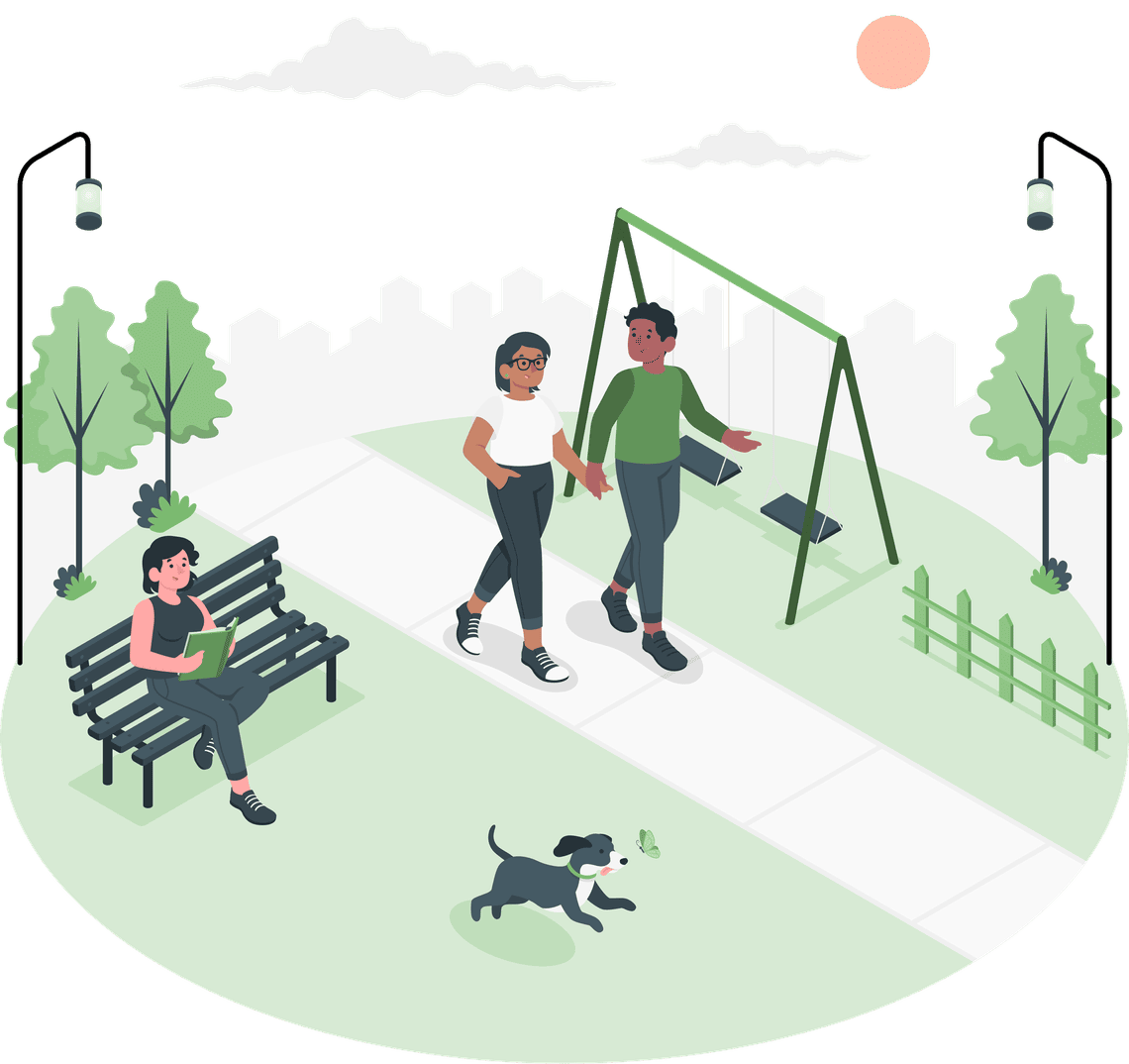
Considered design, management and maintenance can transform a park into a welcoming space
- Consider separating cycle paths from pedestrians. Mixed paths should be sufficiently wide and always have pedestrian priority.
- Provide safe and inclusive access that complies with rules. Many run-down parks have uneven surfacing that can be a trip hazard, particularly to the elderly. Changes to the future of our parks should prioritise renewed surfacing with sufficient grip.
- Parks should design-out risk, using "passive surveillance" such as attractive facilities for the local community with an active year-round programme.
- Keeping parks well maintained and the presence of a park warden, or other park staff also can make people feel safer.
Stay Informed
Follow our projects to get notified of upcoming engagements and the latest project related news.