Social value and inclusivity
Sample page on social value and inclusivity.
Nature Neighbourhoods
Providing equitable access to parks is a principle that should permeate every design decision and detail that shape citizen experiences. To ensure that the park delivers positive change in people’s lives, it is crucial to respond to the needs of diverse identities, cultures, physical and mental ability and age groups.
Parks offer multiple benefits to urban citizens, creating a critical infrastructure of open common spaces, that are capable of providing positive impacts on physical and mental health, social engagement and a creative interface with nature.
Here are our recommendations:
The right to a green open space
The uneven distribution of open green spaces in Placeville highlights and embeds inequalities across the city.
This can manifest in terms of where and how much green space exists in certain neighbourhoods; how much is invested by the local boroughs to ensure they are maintained in good condition, and ongoing processes of "green gentrification" (where improvements to the local environment drive up property values beyond the reach of local communities).
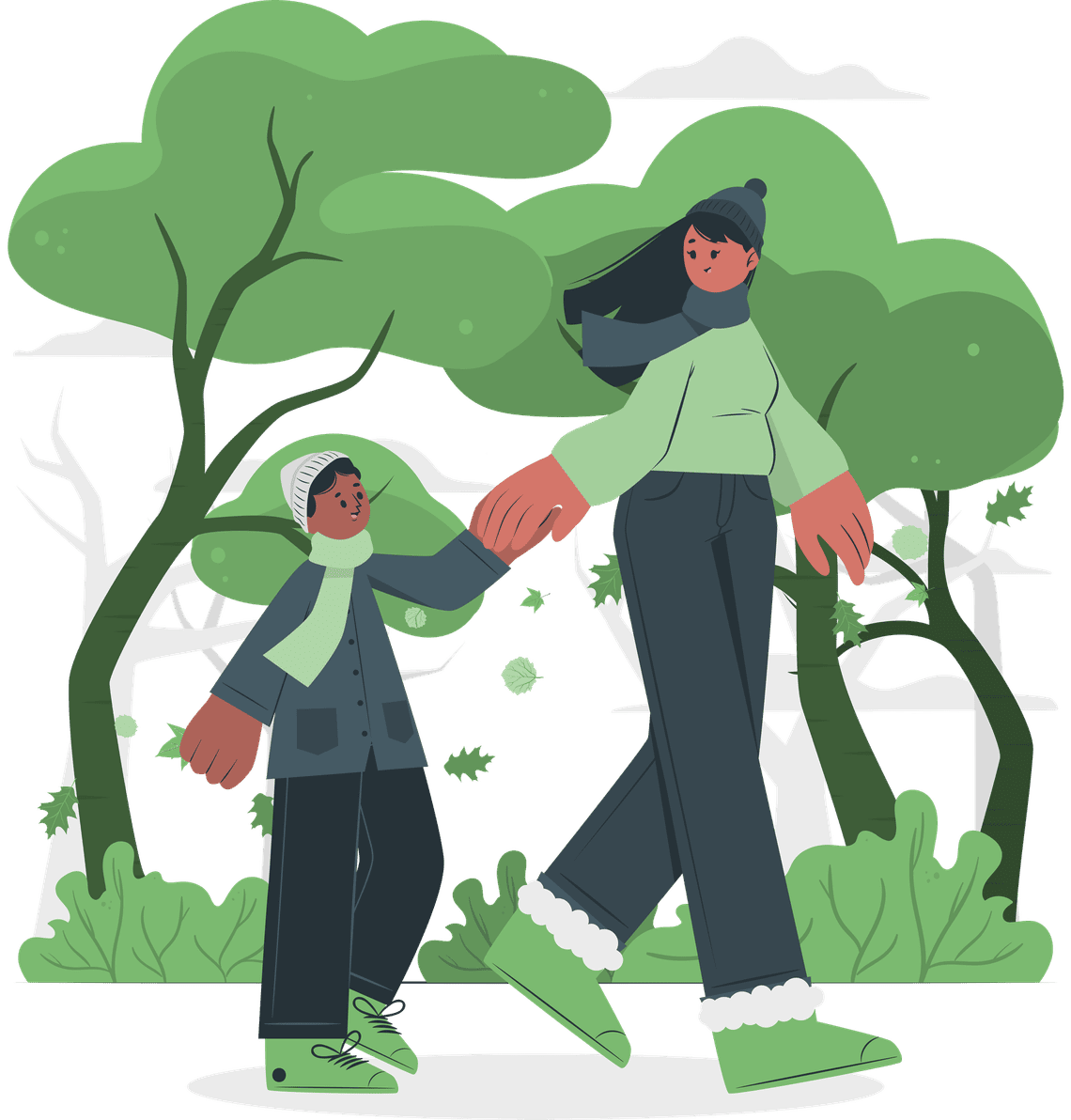
Ensure that the right to a green, open space is more evenly distributed and sensitively responds to local needs, assets and risks and benefits
- Assess and allocate investment in new public spaces based on the spatial and social analysis of functional and cultural needs, ensuring that all interventions are designed with sensitivity to local citizens’ ways of life, identities, demographics and existing placemaking assets and initiatives.
- Highlight contested spaces and analyse possible interventions for risks and benefits that they may bring to the area.
- Ensure that opportunities for income generation (energy production, energy saving, renting out to cafes etc.) are harnessed but incomes and cash flows are ring-fenced to support enhanced maintenance and public space provision.
- Invest in existing and/or new green spaces, including close-to-home parks, pocket gardens and streets that can be identified as play streets for temporary use where large green spaces are unavailable.
- Allocate public resources in a way that ensures adequate maintenance including design solutions that reduce the consumption of resources (water, fertiliser, labour, electricity, Etc.)
- Put in place monitoring and evaluation mechanisms to support ongoing interventions ensuring positive impacts are maximised and negative ones are reduced.
Socially sustainable landscapes
The social value of a park rests in its ability to mean different things to different people, as its characteristics contribute to shaping people’s experiences of living in the city together. To ensure that the park enhances people’s quality of life, it is crucial that designs respond to the needs of diverse identities, cultures, physical and mental ability and age groups.
Stay Informed
Follow our projects to get notified of upcoming engagements and the latest project related news.