
2024 Storm Impact Report:
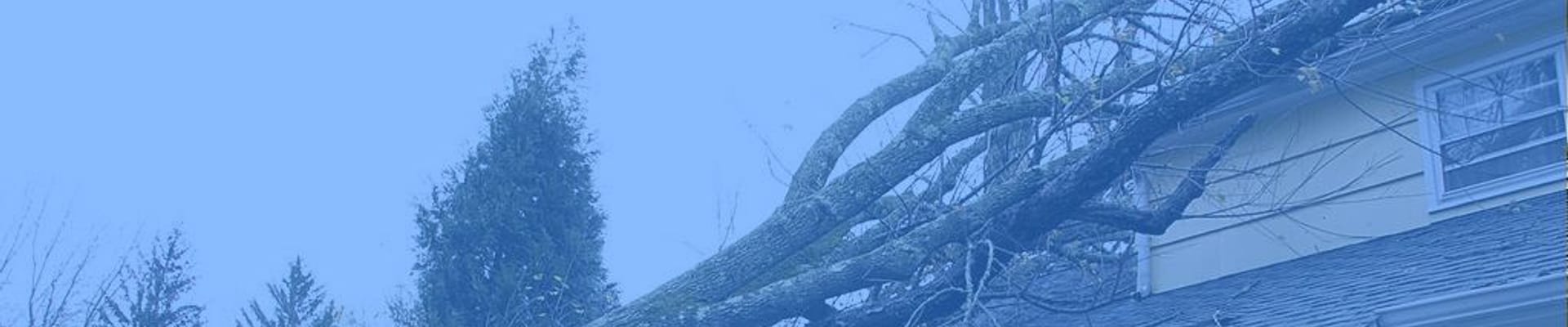
On August 6, Northeast Ohio experienced one of the worst storms since July 1993, resulting in widespread power outages, downed trees, and extensive property damage. Many residents are still working to recover and rebuild from the storm's destruction. At the time, National Weather Service meteorologists only anticipated a seasonal thunderstorm and did not predict the storm's severity.
At its peak, the storm brought winds exceeding 75 mph in parts of Ohio. Five confirmed tornadoes produced winds up to 110 mph and swept through much of the greater Cleveland area. One tornado traveled a path 17 miles long and 350 yards wide, affecting communities from Brook Park to Bedford, just 27 miles southeast of Lorain. The storm caused widespread damage to homes, businesses, and infrastructure, necessitating significant cleanup and recovery efforts, including the replacement of 1,795 pole crossarms, 400 poles, 195 transformers, 189,253 feet of wire and cable, and more.
Thousands of residents were left without power for days as crews worked around the clock to restore electricity. More than 627,500 FirstEnergy Corp. customers across Northeast Ohio, Pennsylvania, Maryland, West Virginia, and New Jersey lost service due to the storm. In Ohio alone, over 310,000 Illuminating Company customers in Ashtabula, Cuyahoga, Geauga, Lake, and Lorain counties lost power, and 118,100 Ohio Edison customers in northern and central Ohio were also affected. More than 3,000 additional FirstEnergy workers arrived within a day, with a total of 7,500 FirstEnergy employees involved in power restoration efforts. An additional 7,570 workers were brought in to support these efforts across 17 states, including Ohio, Pennsylvania, Michigan, Indiana, Illinois, New York, Kentucky, West Virginia, Virginia, Tennessee, Alabama, Georgia, Florida, Iowa, Arkansas, Missouri, and Kansas.
About 55% of FirstEnergy customers in Lorain were left without power on the day of the storm. By August 7, 22% of Lorain’s FirstEnergy customers still had no power, but by August 8, only 1% were without electricity. Power has now been fully restored to Lorain’s FirstEnergy customers. Overall, while the storm caused severe property damage, there have been no reports of casualties.
Learn more about how you can stay safe during severe weather events below:
How to stay up to date on Lorain County Emergency Alert System:
Enrolling in a local emergency alert system is crucial, as it provides real-time updates on imminent hazards and emergencies, enabling swift action. These alerts are tailored to your location, allowing you to take necessary precautions or evacuate if needed. Staying informed through these alerts helps you prepare, reduce risks, and enhance family safety. Participation in the system also promotes coordination and communication, thereby increasing community safety during emergencies.
Enroll in our local Emergency Alert System by clicking on the link below, which will take you to the Lorain County Emergency Alert Registration Form. The information you provide on this form will ensure that you receive the most relevant alerts. You can choose which cities, townships, and villages you want to receive alerts from, as well as the types of weather alerts you wish to receive. Alerts can be sent to your phone via text message, by email, or both.
Lorain County Emergency Alert Registration: https://entry.inspironlogistics.com/lorain_oh/wens.cfm
Know the signs of a tornado. Be alert to changing weather conditions. Look for the following danger signs:
- Dark or often greenish sky
- Large hail
- A large, dark, low-lying cloud (particularly if rotating)
- Loud roar, like a freight train
- If you see approaching storms or any of these danger signs, be prepared to take shelter immediately.
Know the difference between a Tornado Watch and a Tornado Warning:
- A Tornado Watch means a tornado is possible. Stay tuned to your local radio station or television for weather updates, and know where you will shelter if necessary.
- A Tornado Warning means a tornado is occurring or imminent. Take shelter immediately.
Know the warning signs of a severe thunderstorm:
- Darkening skies
- Dark, towering clouds
- Flashes of lightning
- Increasing wind
- Listen for thunder: If you can hear thunder, you are close enough to the storm to be struck by lightning and should seek shelter immediately.
Know what to do in the case of a flash flood:
- Listen to a weather radio or local news station for the latest information.
- Follow instructions given by public safety officials.
- Stay alert to changing weather conditions and be prepared to move to higher ground.
- Secure or bring in outdoor objects (e.g., patio furniture, children's toys, trash cans) that could be swept away or damaged during flooding.
- Consider unplugging sensitive electronic equipment before flooding occurs. Do not touch electrical equipment if you are wet or standing in water.
- Elevate items stored in your basement to prevent damage. If you have a sump pump, ensure it is working properly.
- Clear street catch basins to help prevent or reduce street flooding.
- Avoid camping or parking along streams, rivers, creeks, or other areas prone to flooding during heavy rainfall, as these areas can flood rapidly and with little warning.
How to avoid beach and coastal hazards:
- Be cautious when visiting the beach by following warning signs, staying behind railings, wearing proper footwear, and never swimming alone. Report any bluff failures (a steep shoreline slope with three or more feet of vertical elevation above the high tide line) or increased erosion to a lifeguard.
- Stay aware of the weather. Storms like hurricanes, tropical storms, and thunderstorms can create dangerous waves and currents, even on sunny days.
- Be mindful of others. Swim at a patrolled beach and between the red and yellow flags. Always swim with a buddy, even in lifeguarded areas, and supervise children closely, even when lifeguards are present.
- Don’t swim alone.
- Avoid taking watercraft out if conditions are poor.
The Six Steps to take if you see a Downed Power Line, You Should Always:
- Assume any downed or low-hanging power line is energized and dangerous. An energized line may not spark, smoke, or make any noise.
- Stay at least 30 feet away from downed distribution lines.
- Stay at least 100 feet away from downed transmission lines.
- Carefully survey the area. Downed lines can energize the ground and nearby objects.
- Maintain the same distance from anything else that could be energized and instruct others to stay away.
- Call 911 to report the downed power line; do not attempt to approach the line under any circumstances.
More information for FirstEnergy customers
Outage maps are valuable tools for utilities, providing customers with up-to-date information on service interruptions in their local area. These maps help utilities allocate resources and prioritize repairs. By reducing confusion and empowering customers to make informed decisions about their service needs, outage maps enhance communication and transparency. This leads to higher customer satisfaction and more efficient management of service interruptions.
How to look at outage map:
- Go to Firstengerycorp.com
- Go to outages
- Select view my outage map.
- Put in your zip code and press "View on map."
Stay Informed
Get notified on upcoming engagements and the latest project related news.