

You Said, We Did: Environment Supplementary Planning Document
Introduction
The Environment Supplementary Planning Document (ESPD) provides detailed guidance to support the implementation of Westminster City Plan environmental policies. It helps applicants understand planning requirements relating to issues such as climate change, biodiversity, flood risk, air quality, energy, sustainable design and retrofitting.
We consulted on proposed updates to the ESPD to ensure it reflected current legislation, policy, evidence and best practice. This report summarises the main issues raised during consultation and explains how feedback informed the final adopted document.
Consultation
This section outlines the approach to stakeholder engagement and consultation undertaken to inform the preparation of the updated Environmental Supplementary Planning Document (ESPD) and its associated Retrofit First Guidance. Consultation was carried out in accordance with the Town and Country Planning (Local Planning) (England) Regulations 2012 and the Council’s Statement of Community Involvement, ensuring that statutory consultees and a wide range of stakeholders were given the opportunity to comment.
Public consultation on the draft ESPD was undertaken over a six-week period between 20 January and 3 March 2025. To support accessibility and encourage targeted feedback, the document was hosted on the Council’s Commonplace platform and structured into individual topic-based chapters. This was supported by a broader communications approach, including publication on the Council’s website, email notifications to the planning consultation database, social media engagement, and promotion through council newsletters, directing stakeholders to the consultation platform.
The consultation generated a moderate level of engagement, with over 2,000 platform visitors and a total of 85 comments received from 48 individual contributors, including both online submissions and written responses. Feedback was provided across all sections of the ESPD, reflecting a range of stakeholder interests and priorities, and has informed subsequent refinements to the document as summarised elsewhere in this report.
A separate six-week consultation was undertaken for the Retrofit First Guidance addendum between 26 August and 10 October 2025. This involved targeted engagement with a broad range of stakeholders, including developers, statutory bodies, consultancies, amenity societies, neighbourhood forums, and community groups. Approximately 1,660 consultees were directly notified, ensuring comprehensive coverage of those with an interest in planning, heritage, environmental and local issues.
This consultation generated 20 responses, comprising over 117 individual points raised. Respondents represented a diverse mix of sectors, including developers, statutory consultees, industry bodies and community organisations. The feedback received has been used to refine the guidance and ensure it is clear, proportionate and responsive to stakeholder concerns.
In line with regulatory requirements, Consultation Statements have been prepared for both the ESPD and the Retrofit First Guidance. These documents summarise who was consulted, the key issues raised, and how the Council has responded, including any amendments made to the guidance.
Main Themes of Issues Raised
Consultation responses showed broad support for the ambition and direction of the updated ESPD. The most common themes raised related to document clarity, technical guidance, the practical application of requirements, proportionality and implementation. Specific comments also focused on air quality, biodiversity, flood risk, energy, circular economy principles and sustainable design.Environment Supplementary Planning Document
Retrofit First Guidance
Conclusion
Consultation feedback played an important role in refining both the Environment SPD and Retrofit First Guidance. Comments helped improve the clarity, structure and usability of the documents, while also informing technical updates and clarifications across a range of environmental topics.
The final documents maintain Westminster's ambition to address climate change and improve environmental performance, while providing clearer and more practical guidance for applicants, stakeholders and decision-makers.
Discover more

About the ESPD
Learn more about our purpose and read the full document here.

Chapter 9: Retrofit
Read more about Retrofit in Westminster.
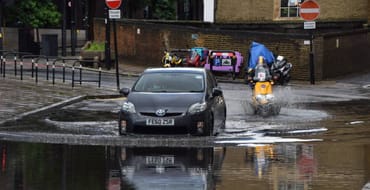
Chapter 5: Flood Risk
Read more about Flood Risk in Westminster.

Chapter 7: Waste Management
Read more about Waste Management in Westminster.
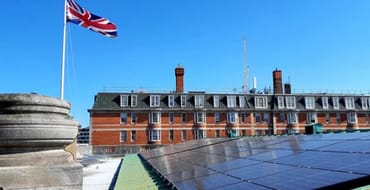
Chapter 6: Energy
Read more about Energy in Westminster.
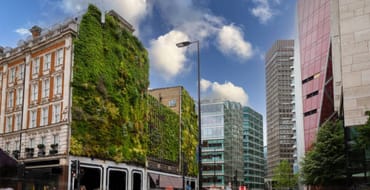
Chapter 8: Sustainable Design
Read more about Sustainable Design in Westminster.
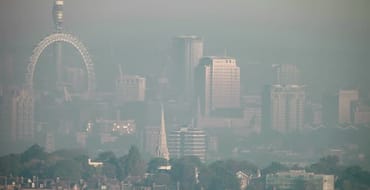
Chapter 2: Air Quality
Read more about Air Quality in Westminster.
Chapter 3: Local Environmental Impacts
Read about the Local Environmental Impacts in Westminster.

Chapter 4: Greening & Biodiversity
Read more about Greening & Biodiversity in Westminster.
Stay Informed
Follow our projects to get notified of upcoming engagements and the latest project related news.