Westminster Sustainable Drainage Systems Programme
Find out about Westminster's Sustainable Drainage Systems Masterplan Strategy.
Background
Westminster City Council is a Lead Local Flood Authority as designated by the Flood & Water Management Act 2010, responsible for managing local flood risk, including surface water, groundwater and ordinary watercourses.
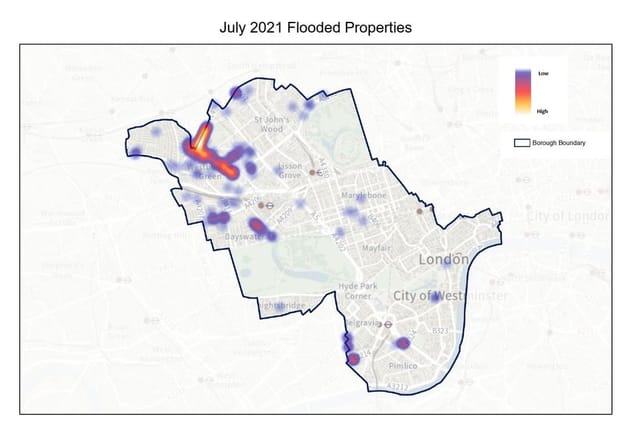
In July 2021, two major flash flood events affected over 400 properties across Westminster, highlighting the growing risk posed by intense rainfall. The impacts went beyond damage to properties, with many residents forced to leave their homes for a year or more. Climate change is expected to increase both the frequency and severity of these events.
What are Sustainable Drainage Systems (SuDS)?
Sustainable Drainage Systems (SuDS) are features designed to manage rainwater more sustainably than traditional underground pipework. SuDS form part of climate-resilient infrastructure and help to:
- Slow down surface water runoff
- Reduce pressure on the sewer network
- Lower the risk of surface water flooding
- Improve water quality
- Boost biodiversity and urban greening
- Create more pleasant and greener public spaces
More information is available here.
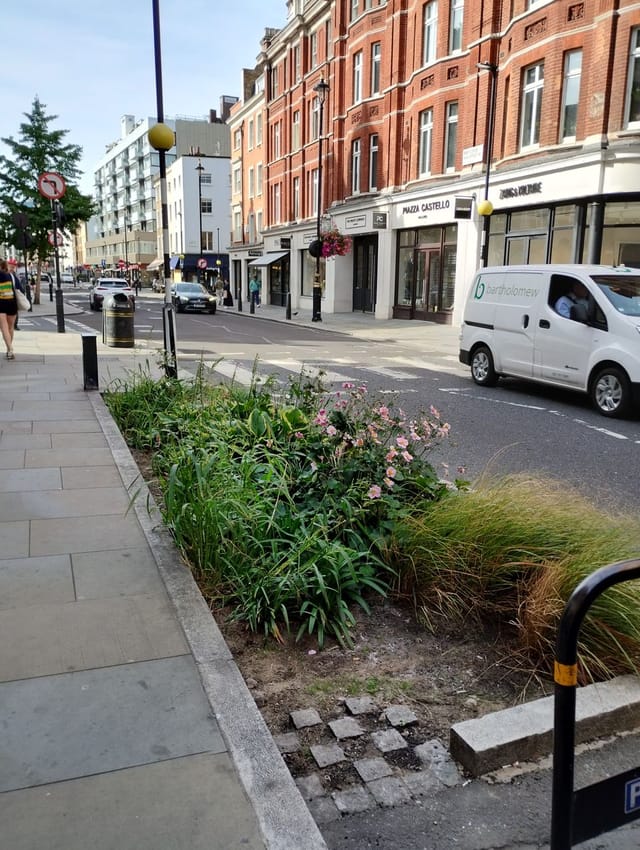
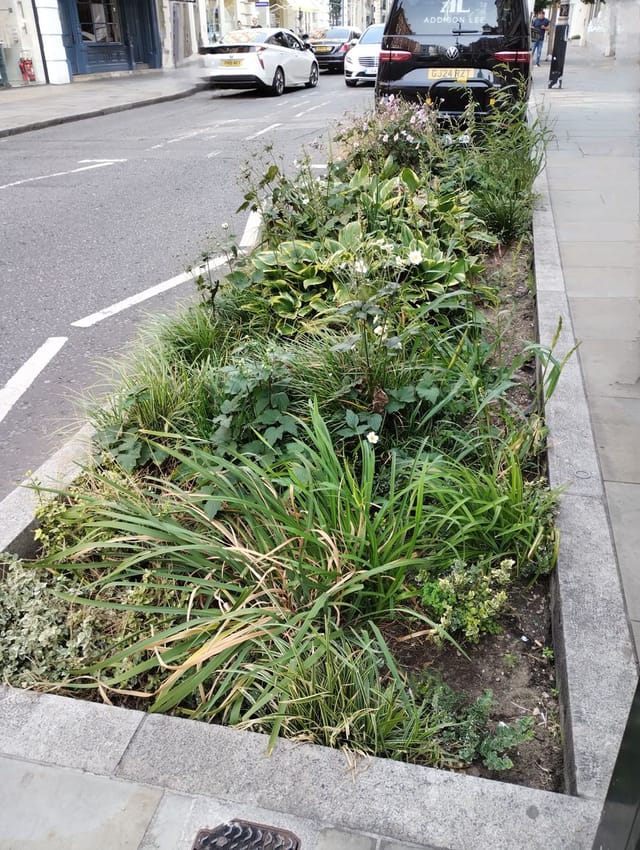
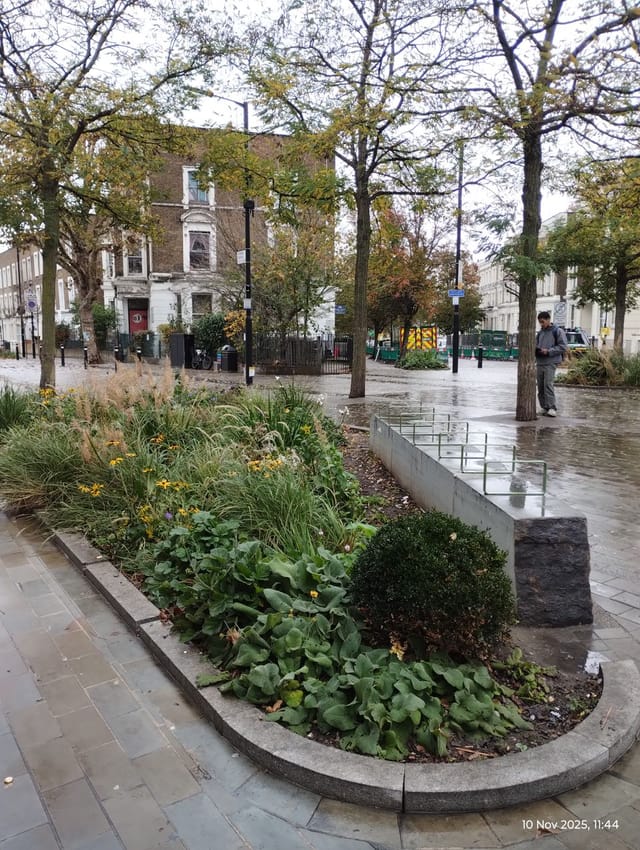
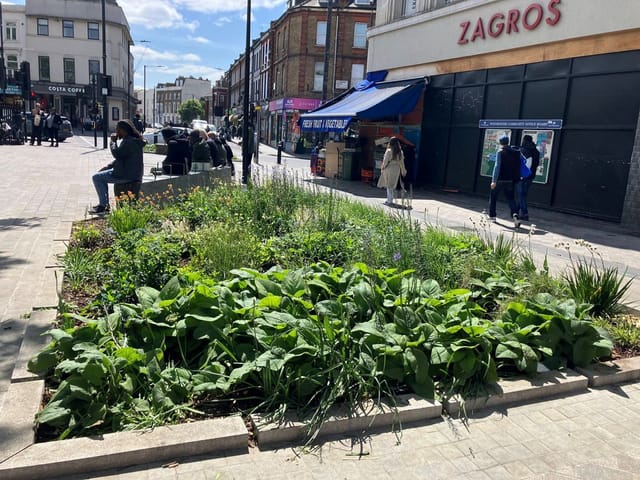
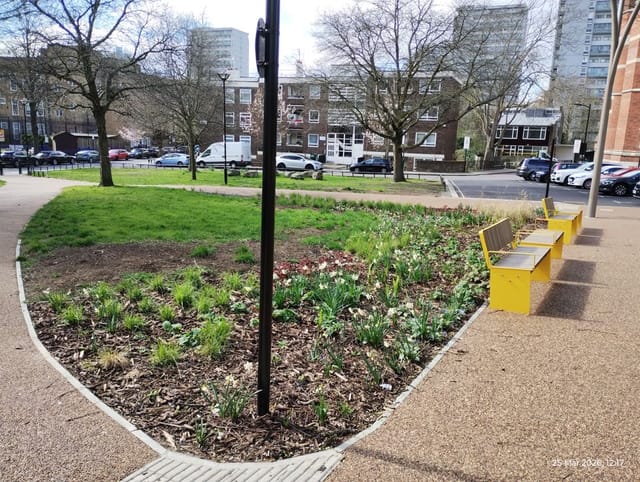
Examples of SuDS in Westminster include: rain gardens, permeable paving, Green roofs, tree pits and schoolground planters.
How do SuDS work ?
Delivering SuDS in Westminster
In response to increasing flood risk, the council has committed £3.7 million to deliver a borough-wide SuDS programme.
This investment has supported the development of the SuDS Masterplan, a standardised design manual, and the integration of SuDS into public realm schemes, alongside standalone projects.
SuDS have already been delivered in locations including Maida Hill Market, Queen’s Park Canalside, Shepherd Market, Elgin Avenue and Westbourne Green Canalside.
The SuDS Masterplan
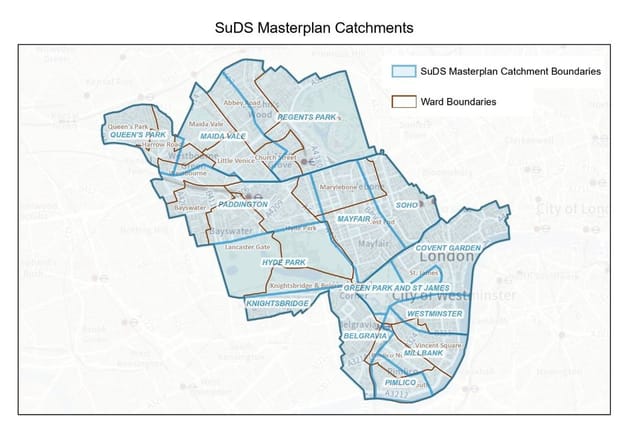
The SuDS Masterplan sets out a coordinated approach to delivering SuDS across Westminster on a catchment basis. These are areas where rainfall naturally flows towards key drainage points.
It identified 14 drainage catchments which have been prioritised using a multi-criteria assessment. Using the same approach, specific locations within each catchment have been identified where SuDS interventions are expected to deliver the greatest benefit.
Prioritisation is informed by factors such as historic flooding, drainage capacity, environmental impact and social value.
SuDS targets
The council is committed to retrofitting SuDS in public spaces and strengthening requirements for SuDS in new developments. The goal is to reduce 15% of surface water above ground during a 1 in 30 year rainfall event by 2030, within designated SuDS catchments.
A wider approach to climate resilience
Westminster’s long term approach to flood risk management responds to climate change and aligns with major regional programmes such as the London Surface Water Strategy, whilst also contributing to wider environmental goals through Westminster’s Sustainable Transport Strategy, Cool Neighbourhoods Strategy and the Greening & Biodiversity Strategy.
SuDS have been identified as an important tool in managing surface water flood risk across the city. The council recognises that SuDS are only part of the solution and is also delivering other measures to tackle flooding, as is outlined in our Local Flood Risk Management Strategy.
To ensure accountability and continual improvement, progress will be monitored annually with a full strategy review every six years, incorporating new data and community feedback.
Stay Informed
Follow our projects to get notified of upcoming engagements and the latest project related news.