

You Said We Did
Summary of responses of concern and objection to Kilburn Lane proposals consulted on in 2025
Frequently Asked Questions
We Asked
We set out proposals to introduce one-way traffic and cycling measures on Kilburn Lane between Chamberlayne Road and Banister Road for better traffic management, improved road safety, and cycle connectivity. We asked your views on:
- Kilburn Lane to be one-way only northbound for general traffic between Chamberlayne Road/Ilbert Street junction towards Banister Road junction. Kilburn Lane will be No Entry (except cycles) at the junction with Banister Road.
- Two-way cycling retained along Kilburn Lane between Banister and Chamberlayne Road.
- A new cycle lane providing a cycle connection between Ilbert Street and Kilburn Lane.
- Exploration of greening (in-ground planting) and a bench at the western end of Ilbert Street and 9 new cycle stands.
You Said
Overall the proposals in the July 2025 consultation were well supported and you highlighted the existing issues the scheme seeks to address and agreed that the scheme would achieve the benefits on Kilburn Lane of improved road safety, reduce congestion, improve traffic calming and encourage cycling and walking.
The following list summarises the main themes of objection to the scheme.
- Some of you were concerned that changes to traffic management will displace traffic to adjoining roads, increase journey times and worsen congestion (19 comments). The comments included suggestions that introducing one-way northbound traffic flow on Kilburn Lane would worsen congestion on Chamberlayne Road and Banister Road in particular. This could lead to longer journey times with a couple of respondents citing evening rush hour and the weekends as problematic.
- Some felt that the proposals would displace the traffic on other wider areas. For example, they thought this might create a backlog of traffic coming from Queens Park to Kensal Rise or Ladbroke Grove. Harvist Road, The Avenue and Salisbury Road were also suggested as alternative traffic routes to Kilburn Lane.
- You raised the issue of speeding along Kilburn Lane an ongoing concern which may get worse under the scheme. Six respondents raised safety concerns that the one-way northbound proposals could encourage cars to travel at faster speeds on Kilburn Lane and increase the risk of collision with other vehicles, pedestrians and cyclists.
- Concerns were raised by eight people about impact to bus services due to the potential increase in congestion.
- Four comments raised concerns about two-way cycle safety along Kilburn Lane, that there would be enough space to make this safe.
- Existing parking issues on Kilburn Lane was raised by 10 respondents. Three of these suggested that longer parking permit times and more resident parking spaces being available would ease the congestion currently caused by people using the local amenities and parking on Kilburn Lane. Six respondents raised concerns over future parking arrangements, suggesting that on street parking needs to be given sufficient space so that parked cars and cyclists using the cycle lane are protected.
We Did
- The design has been subject to extensive modelling to understand how the proposal might affect journey times for general traffic, buses and cyclists. The traffic modelling indicates that journey times and queues for general motor traffic across the network will not be significantly affected by the scheme proposals. Motor traffic on Kilburn Lane itself will benefit in terms of both journey time, comfort and safety because the friction caused by two way traffic in the narrow street is removed. There would be slightly more delay for northbound traffic at the junction of Banister Road because southbound traffic would now be passing across the Kilburn Lane junction. The traffic impacts of the scheme will be kept under review, with a post-completion traffic survey.
- Displacement to wider streets may occur but on a small scale. The highest southbound flow on Kilburn Lane was found to be less than 100 vehicles an hour in the evening peak period. A review of the alternative southbound routes that traffic might use has shown that most traffic will transfer to the Chamberlayne Road corridor. A small amount of traffic heading south from the Queen’s Park area might be tempted to use Sixth Avenue and Fifth Avenue to reach Harrow Road/Ladbroke Grove junction, however this route is longer, passes through multiple junctions and narrow roads requiring traffic to give way and will be slower in busy conditions. Traffic modelling shows that no more than 1 vehicle every 2 minutes in the evening peak period might choose this route.
- The updated design will investigate the potential for an informal raised-table pedestrian crossing point about halfway up Kilburn Lane. This would have the double benefit of calming traffic and improving pedestrian accessibility. Vehicle Activated Signage will be retained and “20” signage and roundels and cycle symbols will be marked on the road.
- We have met Transport for London to make sure the traffic modelling we have used is suitable for assessing the impacts of the scheme on traffic. Simulation traffic modelling shows that bus journey times will not be adversely affected by the proposals.Officers have met with TfL buses and will continue to seek feedback from TfL on the design as the scheme progresses. The modelling indicates that journey times and queues for general motor traffic across the network will not be significantly affected by the scheme proposals. Traffic journey times will be monitored and any traffic queues can be managed effectively using appropriate traffic signal timings at the key junctions of Chamberlayne Road/Banister Road and Kilburn Lane/Harrow Road.
- Review of cycle safety in the design will be part to a road safety audit in the coming weeks (October 2025), and the scheme will adopt any measures recommended in the report to improve safety of cycles. The proposal of a raised table will help calm traffic and reduce the risk of speeding cars in oncoming direction to cycles.
- There is not intended to be any loss of parking on the project and there is limited scope to increase parking due to existing kerb-side demands and space constraints. The hours of control are consistent across Parking Zone C which covers a large area of north Westminster, and there are no plans at present to amend the zonal hours of control.
Discover more
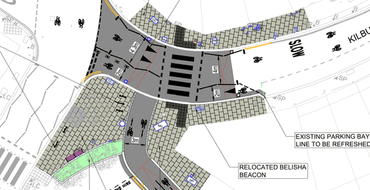
Proposals – Traffic Management Orders February 2026
Consultation on traffic order proposals between 25th February and 18th March 2026
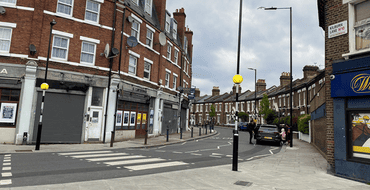
2025 Consultation Report
Consultation report (1-22 July 2025), survey responses and main themes of comment.

Frequently Asked Questions
Read frequently asked questions about the Kilburn Lane Traffic Management project
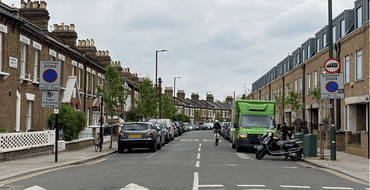
Questionnaire (closed)
2025 survey of Kilburn Lane Traffic Management proposals
Stay Informed
Follow our projects to get notified of upcoming engagements and the latest project related news.