

What are the key benefits of Local Street Improvements?
Safety benefits
Local Street Improvements can provide safer environments for walking, wheeling and riding due to more appropriate traffic speeds and better infrastructure, resulting in less accidents
Walton Local Street Improvements
Safety benefits
Local Street Improvements can provide safer environments for walking, wheeling and riding due to more appropriate traffic speeds and better infrastructure, resulting in less accidents. They also provide improved road crossings making it easier to cross the road, especially for children and more vulnerable users. This is particularly important in Walton-on-Thames. The map below shows all of the reported collisions between cars, cyclists and pedestrians between 2018-2023 that resulted in mostly motor, cyclist and pedestrians casualties.
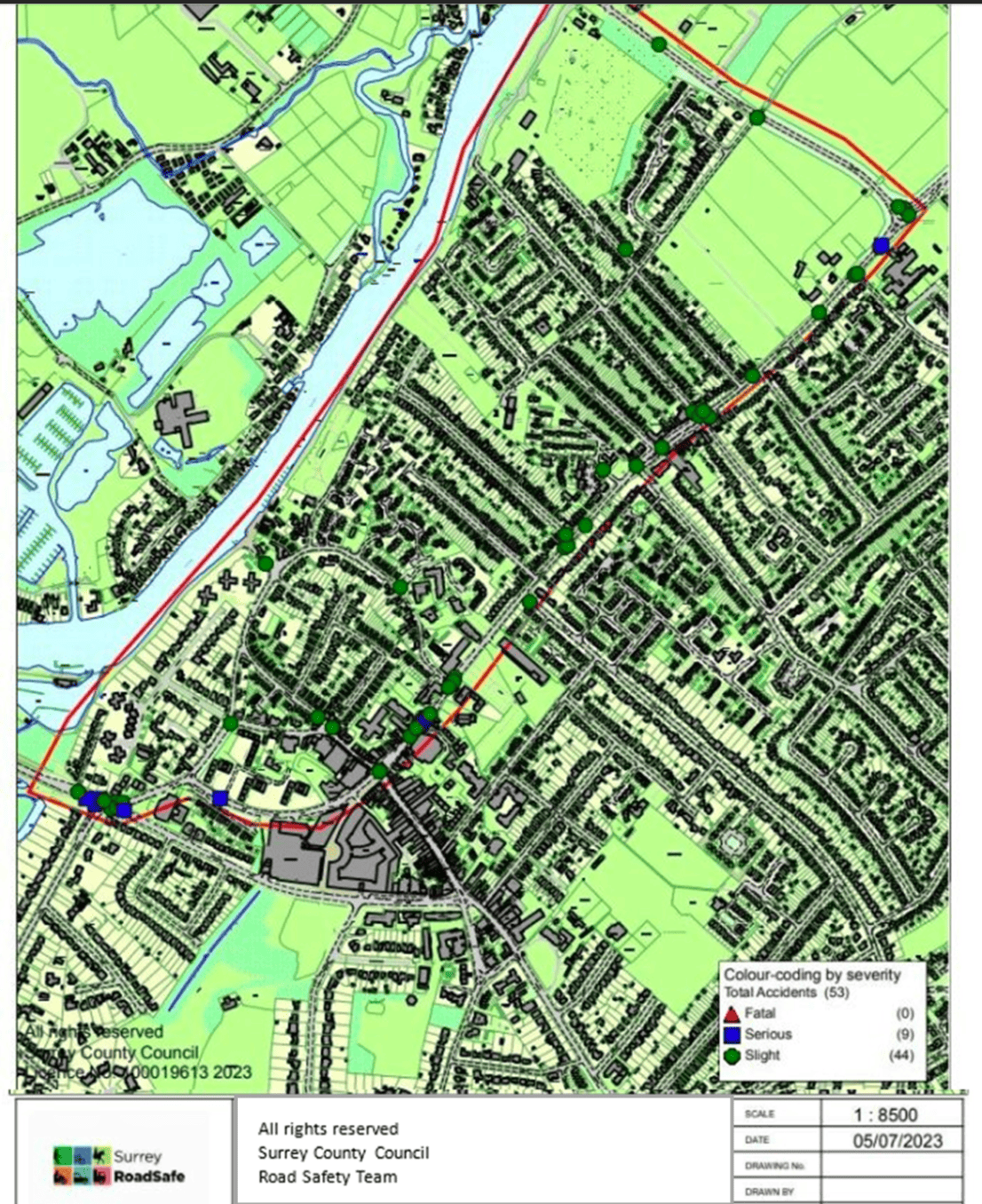
Walton-on-Thames has a particularly high number of casualties that include motor vehicles and cyclist, likely due to the presence of speeding on the A3050.
Figures from the Department for Transport show that in 2022, Surrey had more cycling casualties than any other Local Authority in Great Britain. The vast majority of cyclist casualties in Surrey (69%) took place on 30 mile per hour speed limit roads. 79% of these resulted from collisions with a motor vehicle. This is a problem for all forms of cycling in Surrey. 71% of cycling casualties in Surrey occurred on a weekday. Less than a third happened on the weekend (29%).
For people walking, 81% of pedestrian casualties in Surrey occurred on 30 mile per hour speed limit roads, most resulting from collisions with motor vehicles in urban areas.
A Government review based on examples from around England found that making traffic speeds more appropriate to local contexts leads to reduced accidents, both in severity of accidents when they do occur and in the number of accidents that happen. By setting more appropriate speed limits on urban roads (where people support them, and not using a blanket approach), Local Street Improvements can improve road safety and help to reduce pedestrian and cyclist casualties. Local Street Improvements can also reduce casualties by improving crossing facilities for pedestrians and cyclists to make crossings easier and safer to navigate as well as more visible.
To find out more about road safety in Surrey and other plans to make roads in Surrey safer, please see the road safety section of our website. To find out about other ways we are supporting walking, wheeling and riding to school, please see our Sustainable Modes of Travel to School Strategy.
Environmental benefits
By improving road safety and the conditions for walking, wheeling and riding, Local Street Improvements can enable more journeys to be made by sustainable transport modes. More walking, wheeling and riding means fewer journeys made by motor vehicles, resulting in less carbon emissions, reduced traffic noise outside people’s homes, improved air quality and less congestion. Our website provides more information on the emissions caused by different transport modes.
Local Street Improvements also aim to increase the number of green spaces and trees in Walton-on-Thames. This will help to provide protection from heavy rain and shelter in hot weather, as well as helping to improve local air quality.
By helping to improve the local environment, Local Street Improvements will contribute towards achieving the council’s objectives set out in our Local Transport Plan and our Climate Change Strategy, as well as supporting national objectives set out by the Department for Transport.
Health and wellbeing benefits
By making walking, wheeling and riding easier and safer, and by making local green spaces more accessible, Local Street Improvements will increase opportunities for physical activity in Walton-on-Thames. Local Street Improvements will make Walton-on-Thames a more attractive and enjoyable place for walking, wheeling and riding. Public Health England and the Department for Transport have recognised the benefits of increased movement to people’s physical and mental health and wellbeing, and the role that increasing road safety and opportunities for walking, wheeling and riding have in achieving this. Increased walking and cycling have been shown to decrease rates of cardiovascular disease, cancer, stroke, diabetes, depression, cognitive decline and dementia, and increase life expectancy.
Increasing the number of journeys that are made by walking, wheeling and riding can also result in less air pollution as fewer journeys are made by motor vehicles. This makes the air that we breathe cleaner.
Public Health England explain that access to green space can also greatly improve both physical and mental health outcomes, including mortality, stroke, coronary heart disease, maternal outcomes, stress, cognitive function and quality of life. We want Walton-on-Thames to be a great place for people of all ages to live, work and play. Through improving access to local green spaces and providing new greenery through tree planting and rain gardens, Local Street Improvements can contribute towards improved physical and mental health and wellbeing.
To find out about other ways we are helping people to increase their physical activity in Surrey, please see the Active Surrey website.
Economic benefits
Congestion can have economic costs, making the economy less productive as time is lost to traffic jams for workers and suppliers. By enabling more local journeys to be made by walking, wheeling and riding, Local Street Improvements can help to reduce the number of local journeys made by motor vehicles and reducing the speed in Walton-on-Thames, helping to reduce congestion.
The Department for Transport also recognise the economic benefits of walking, wheeling and riding in regard to public health. Their review of small-scale, local walking and cycling schemes shows that these schemes represent ‘very-high’ value for money, with increased physical activity and improved road safety enabling economic savings from improved public health outcomes.
The Department for Transport outline some of the key economic benefits of walking, wheeling and riding for both individuals and local communities: ‘For people, it means cheaper travel and better health. For businesses, it means increased productivity and increased footfall in shops. And for society as a whole it means lower congestion, better air quality, and vibrant, attractive places and communities.’
Discover more

Stage 3 Engagement Report
Read our engagement stage 3 report which describes the engagement process and summarises responses received
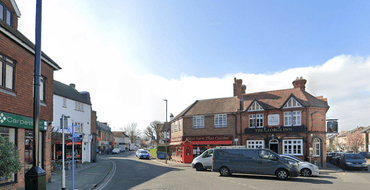
You Said, We Did
View a list of the key changes compared to the previous stage of engagement
Parking in Walton-on-Thames
View information on parking in the Walton-on-Thames LSI
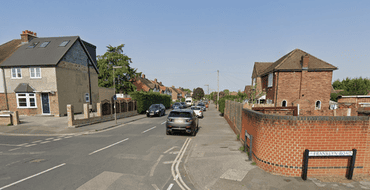
Felix Road and Franklyn Road (Area 3)
View the updated design proposals for Felix Road, Franklyn Road and surrounding roads
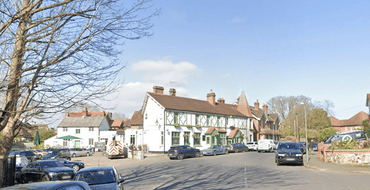
Manor Road and surrounding roads (Area 2)
View the updated design proposals for Manor Road and surrounding roads
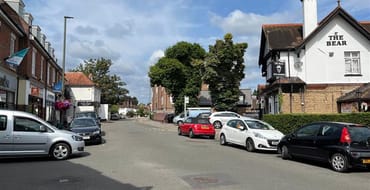
Bridge Street and surrounding roads (Area 1)
View the updated design proposals for Bridge Street and surrounding roads
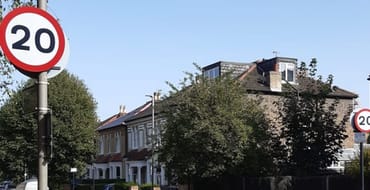
Area wide measures
Find out more and give your feedback on the area wide measures

Stage 2 Engagement Report
Read our engagement stage 2 report below which describes the engagement process and summarises the responses received during the second stage of engagement for the Walton-on-Thames Local Street Improv
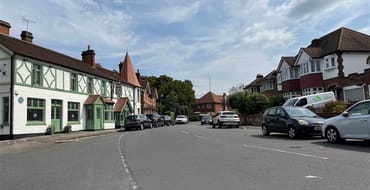
Survey
This survey was used for engagement stage 2 and is now closed
Stay Informed
Follow our projects to get notified of upcoming engagements and the latest project related news.